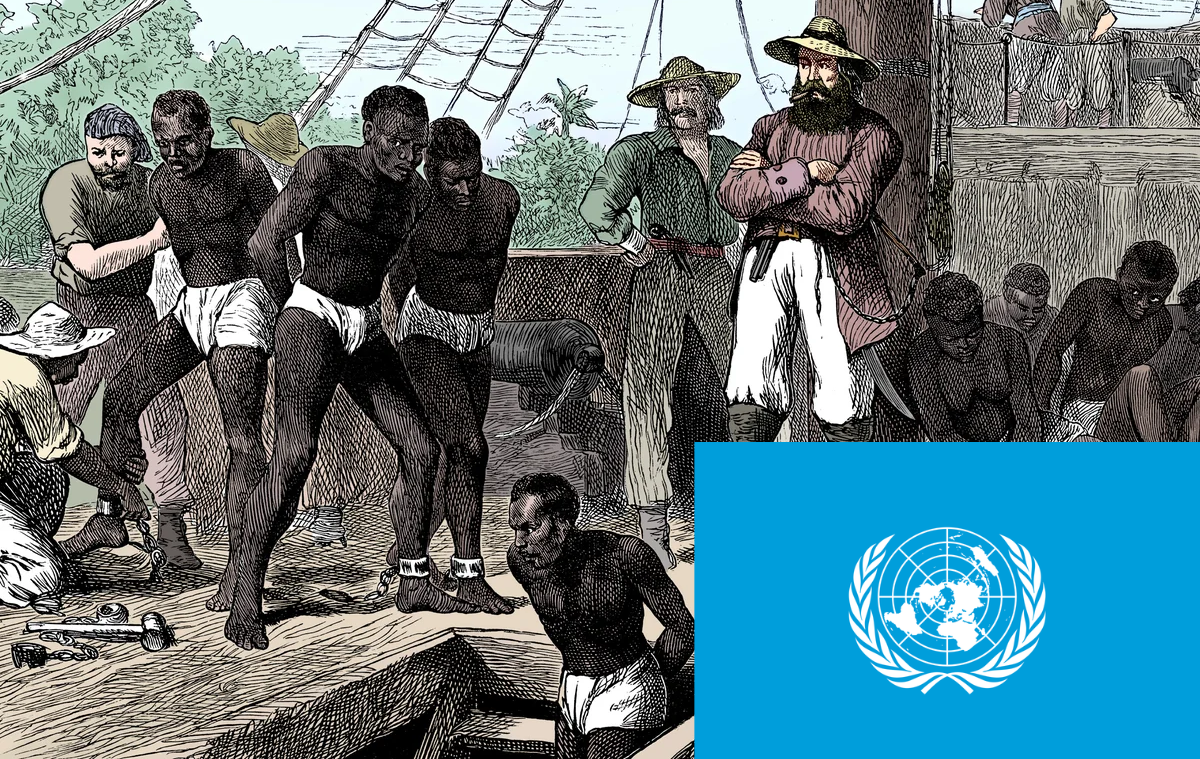
UN Declares Slave Trade the Gravest Crime Against Humanity – What Comes Next?
April opens with a defining moment in global history—one that speaks directly to the mission of African Connections and the journeys of our community.
On March 25, 2026, the United Nations General Assembly adopted Resolution A/80/L.48, declaring the Transatlantic Trafficking of Enslaved Africans and the system of racialised chattel enslavement as “the gravest crime against humanity.” The vote passed with 123 countries in favor, spearheaded by Ghana and strongly supported by the African Union.
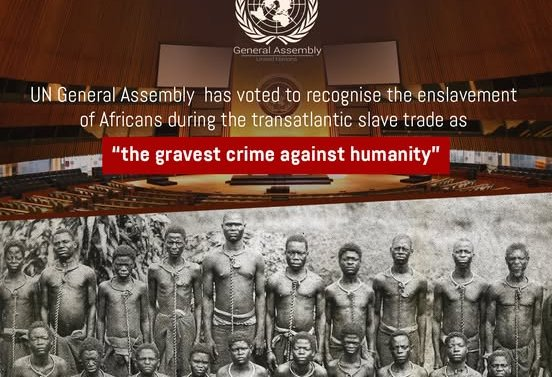
Figure 1: In a historic vote, the UN now recognizes the transatlantic slave trade as the gravest crime against humanity
But this moment is not just about recognition—it is about strategy, justice, and what comes next.
The resolution did not emerge in isolation. It is part of a larger multifaceted reparations movement that for years, has been seeking justice for the victims of this injustice and their descendants. Recognizing the enduring impacts of slavery and colonialism, the movement has sought legal recognition, economic redress, and institutional reform.
The call for reparations brings together African nations, the descendants of those enslaved in the Americas and beyond, and advocacy groups, in a push for measures such as financial compensation, debt relief, formal apologies, and long-term development support.
African Americans’ Push for Reparative Justice
Black Americans’ push for reparations for slavery is a long-standing movement rooted in demands for justice over centuries of enslavement, segregation, and systemic discrimination. Advocacy dates to the 19th century and has evolved through organisations like the National Coalition of Blacks for Reparations in America (N’COBRA) and modern movements such as Black Lives Matter, which argue that the legacy of slavery continues to shape economic and social inequalities today.
In recent decades, the debate has gained renewed momentum through influential arguments—such as calls for compensation, land redistribution and targeted institutional investment.
Activists contend that reparations are necessary to address generational wealth gaps and systemic racism, while critics often question feasibility, cost, and legal responsibility.
The African Union’s Reparations Agenda
Under the leadership of Ghana’s President, John Dramani Mahama, who currently serves as the African Union Champion for Reparations, reparations have become a central pillar of Africa’s global engagement strategy.
Mahama has been tasked with elevating Africa’s case for reparatory justice on the global stage, with his efforts—and Ghana’s leadership at the UN—aimed at achieving these concrete outcomes:
> Securing formal global acknowledgment that strengthens the legal and moral basis for reparations
> Reframing slavery not as a historical footnote but as an ongoing injustice with present-day consequences
> Building a unified African and diaspora coalition to negotiate reparatory frameworks; and
> Pushing for tangible measures, including debt relief, development financing, formal apologies, and institutional reforms.
President Mahama has consistently emphasized that reparations are not merely about financial compensation, but also about:
> Restorative justice
> Historical accountability
> Correcting structural inequalities rooted in slavery and colonialism.
Although the call for reparations was initiated by Black Americans over a century ago, the reality is, only a nation state can bring a resolution to the UN. So it was imperative that a nation state play the role that President Mahama took. In procuring this UN designation, Ghana and the AU have effectively reset the global narrative on the issue of reparations and created momentum for policy-driven discussions rather than mere symbolic acknowledgment.
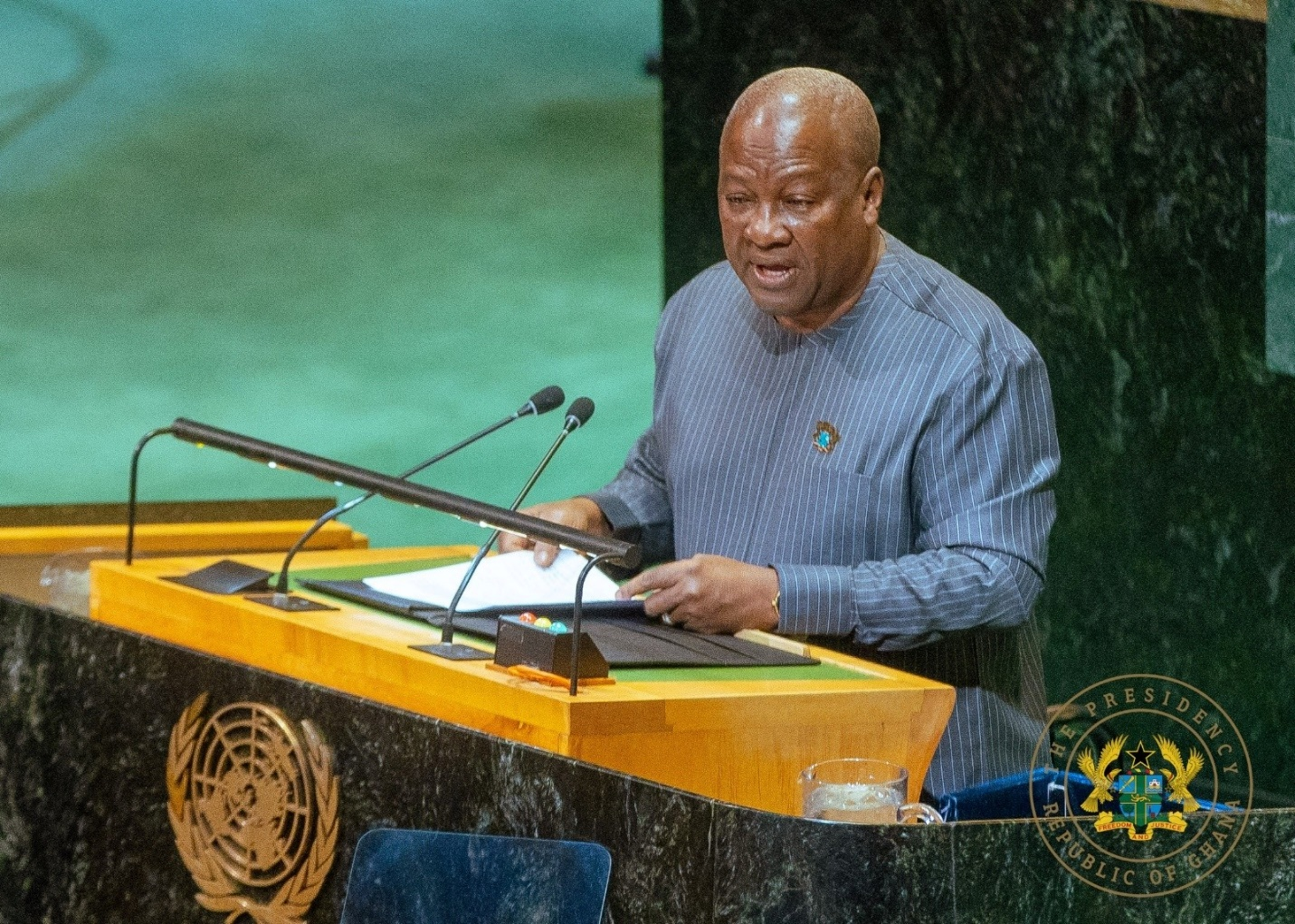
Figure 2: As AU Champion, President John Mahama is leading the agenda for restorative justice
The Hard Questions: Responsibility, Complicity, and Justice
As the reparation’s movement gains traction, difficult but necessary conversations are emerging.
It strengthens Africa’s bargaining position in future international negotiations and aligns with growing calls from the Caribbean and Black American communities for structured reparations.
As the reparations discussion moves forward, it is important to address the complicated issues that must be resolved. One of the most debated issues is Africa’s historical role in the slave trade.
There is no debate that European powers designed, financed, and industrialized the Transatlantic Slave Trade, and that they and the US were the primary beneficiaries of slavery. As such, it is generally agreed that these beneficiaries of slavery should be held responsible for reparations.
However, the role that some African kingdoms and intermediaries played in the capture and sale of enslaved people cannot be ignored.
This raises a sensitive question: Does Africa owe reparations to the descendants of those who were enslaved?
There is no single answer, but three key perspectives are shaping the debate:
Many scholars argue that the scale and structure of the trade were driven by European and American demand, making them the principal beneficiaries—and therefore primarily responsible for reparations. Europeans benefitted because of their colonization of the Caribbean and Brazil and establishing plantations in these places, as well as their financing and insuring the trade, while America benefitted from over 200 years of unpaid slave labor.
Others suggest that acknowledging African participation is essential for a complete and honest reckoning, even if it does not translate into equivalent financial liability.
A growing number of voices within the African American community maintain that reparations should focus on those who endured slavery and its direct legacy—systemic racism, economic exclusion, and generational trauma in the Americas.
At the same time, African nations argue that they too suffered profound losses—population depletion, destabilized societies, and long-term underdevelopment. So, Africa is clearly justified in seeking reparations for its losses.
The proposal championed by President John Dramani Mahama in his capacity as African Union Champion for Reparations, seeks to advance global discourse beyond symbolic recognition towards legal accountability for both the African continent and its diaspora.
Reparations: What Happens Next?
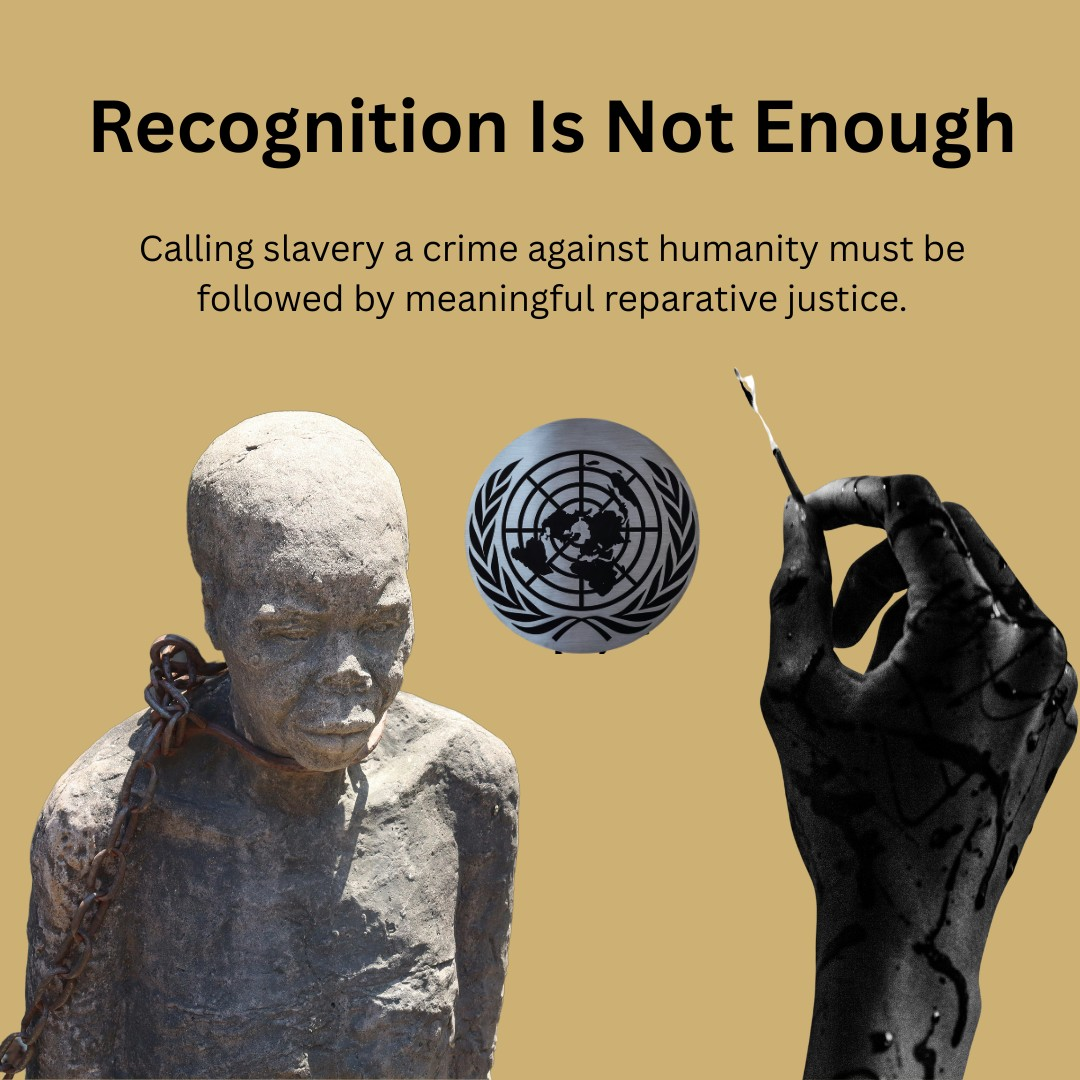
Figure 3: Reparative justice for many should follow the recognition of slavery as a crime against humanity
The UN resolution significantly strengthens the global case for reparatory justice.
The next phase is likely to include formal negotiations at international and regional levels, the expansion of structured reparations frameworks such as those advanced by N’COBRA, and increased advocacy for policy-based solutions—including education initiatives, cultural restitution, economic investment, and public acknowledgments.
For African Americans, this moment represents both validation and possibility—a step closer to a world that not only remembers history but actively works to repair its consequences.
The Discussion of Slavery and Reparations should lead you back to the Motherland
As the world begins to reckon more honestly with the past, African Connections remains committed to connecting African Americans to their African roots. This historic UN resolution that acknowledges that the transatlantic slave trade is the greatest crime against humanity in history, is a step forward. This resolution reminds us that truth matters, history matters, and YOU matter.
Resolve this April to make your plans to journey home.
Book your journey with us today!