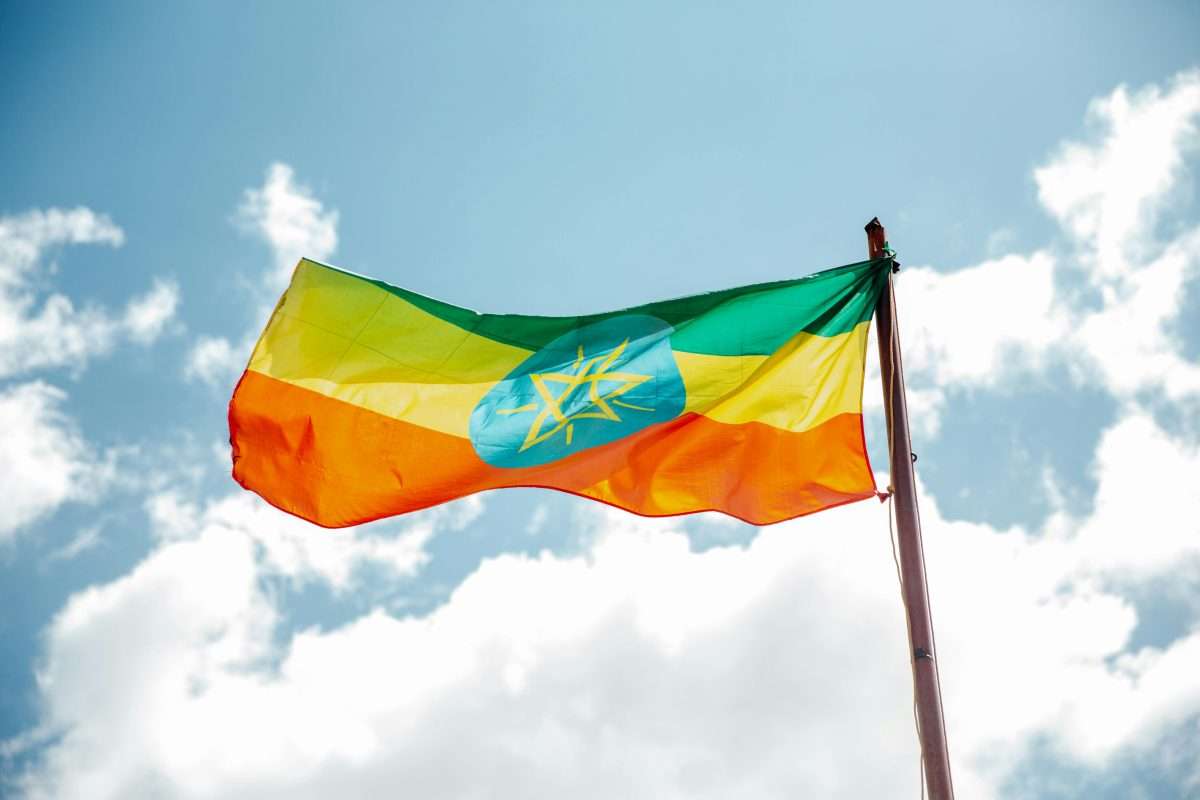
Ethiopia: A Beacon of Black Independence and the Ancient Cradle of African Christianity
For African Americans seeking a profound connection to their roots, a journey to Ethiopia is more than just a trip – it's a revelation. This East African nation is not only a spiritual and historical treasure trove but also a bold symbol of African pride, resilience, and independence.
Ethiopia stands alone as the only African nation that successfully resisted long-term European colonisation while also claiming one of the oldest and richest Christian traditions in the world.
Haile Selassie: The Emperor Who Defied Europe and Inspired a Generation
At the heart of Ethiopia’s enduring legacy is Emperor Haile Selassie I, born Tafari Makonnen on July 23, 1892. Crowned emperor in 1930, he adopted the titles King of Kings, Lord of Lords, and Conquering Lion of the Tribe of Judah, asserting both royal authority and spiritual lineage that many believe descends from the union of King Solomon and the Queen of Sheba — a powerful connection that reverberates throughout Ethiopia's identity.
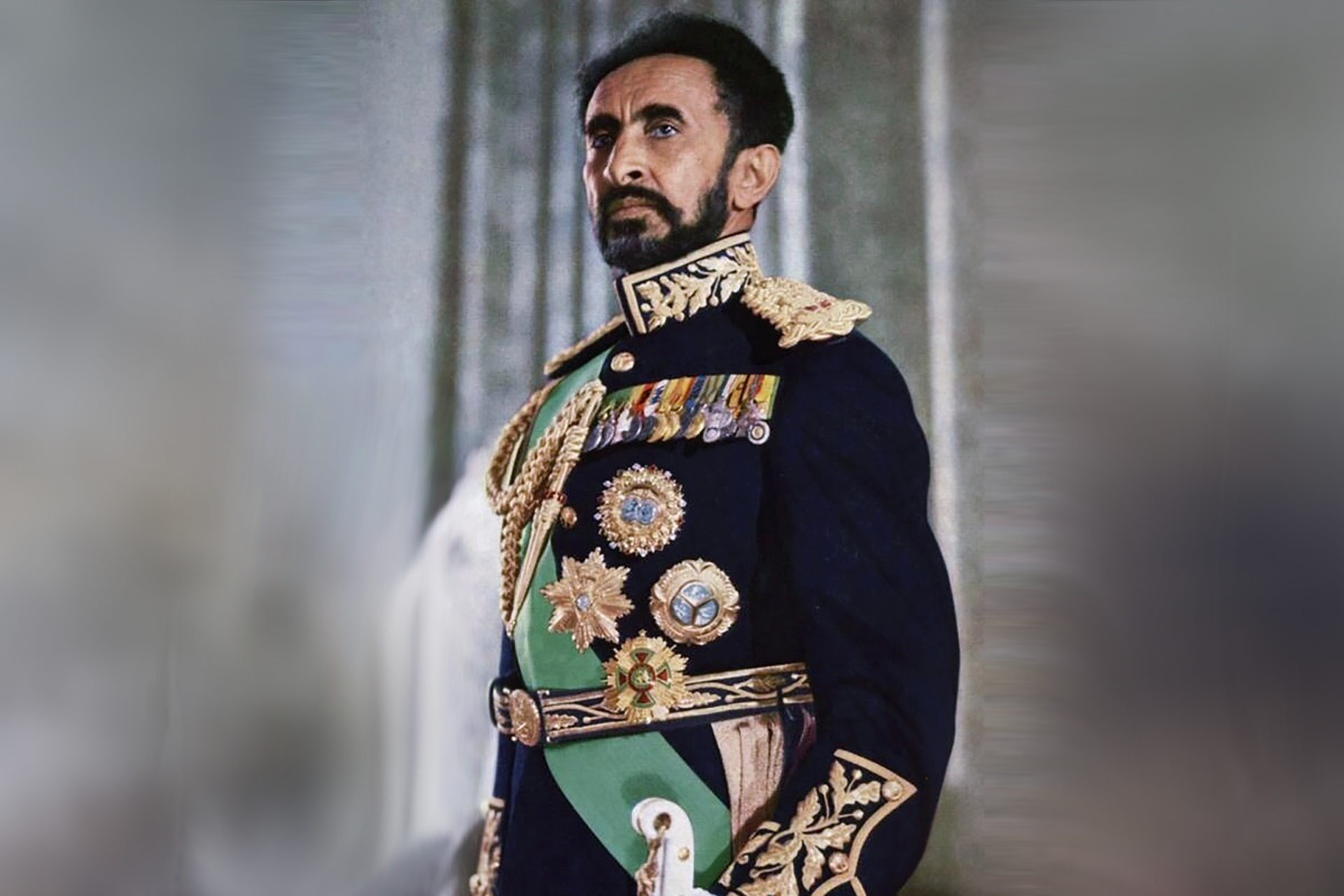
Figure 1: In the face of European imperialism, Emperor Haile Selassie emerged as the African continent’s moral voice in the 1930s
But Haile Selassie's significance extends far beyond imperial grandeur. He became a global icon of African independence, self-determination, and modernisation during a century marked by colonial domination.
Though Ethiopia had already delivered a major blow to European imperialism in 1896 — when Emperor Menelik II led Ethiopian forces to a resounding victory over Italy at the Battle of Adwa — the colonial threat resurfaced in the 20th century. In 1935, fascist Italy under Benito Mussolini invaded Ethiopia again, launching a brutal campaign that saw the use of chemical weapons, including mustard gas, against Ethiopian civilians and soldiers alike.
Despite fierce resistance, Ethiopia was temporarily occupied. But Haile Selassie did not submit. In 1936, he delivered a historic speech to the League of Nations in Geneva, a plea that exposed the horrors of fascism and shamed world powers for their silence. His words — “It is us today. It will be you tomorrow.” — were prophetic, foreshadowing the global conflict of World War II.
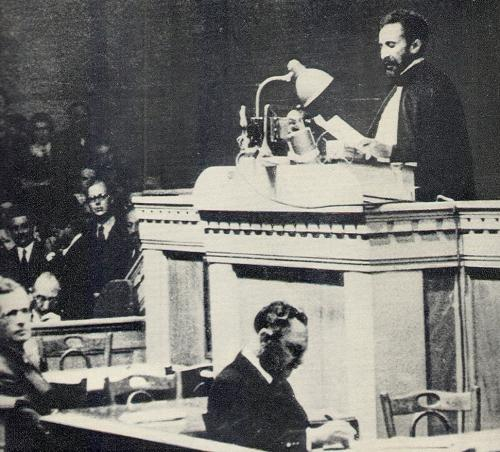
Figure 2: Haile Selassie addressed the League of Nations in 1936, appealing for assistance against Italy's aggression and occupation of Ethiopia.
In 1941, with the support of British and African Allied forces, Haile Selassie returned from exile and reclaimed his throne. Ethiopia became one of the first nations to regain its independence during the colonial era, further cementing its status as a beacon of freedom for all oppressed peoples.
Under Selassie’s reign, Ethiopia underwent widespread reforms, including the establishment of modern schools, hospitals, and roads, as well as the adoption of a new constitution and its entrance into the United Nations in 1945. He was also a founding father of the Organisation of African Unity (OAU)in 1963, the precursor to today’s African Union, which is headquartered in Addis Ababa, the capital of Ethiopia — a powerful reminder of Ethiopia’s ongoing role in shaping Pan-Africanism.
For many African Americans, especially within the Rastafari movement, Haile Selassie is more than a leader — he is a messianic figure, a symbol of liberation and spiritual awakening. His dignity in the face of oppression and his unwavering defense of African sovereignty continue to inspire Black consciousness movements worldwide.
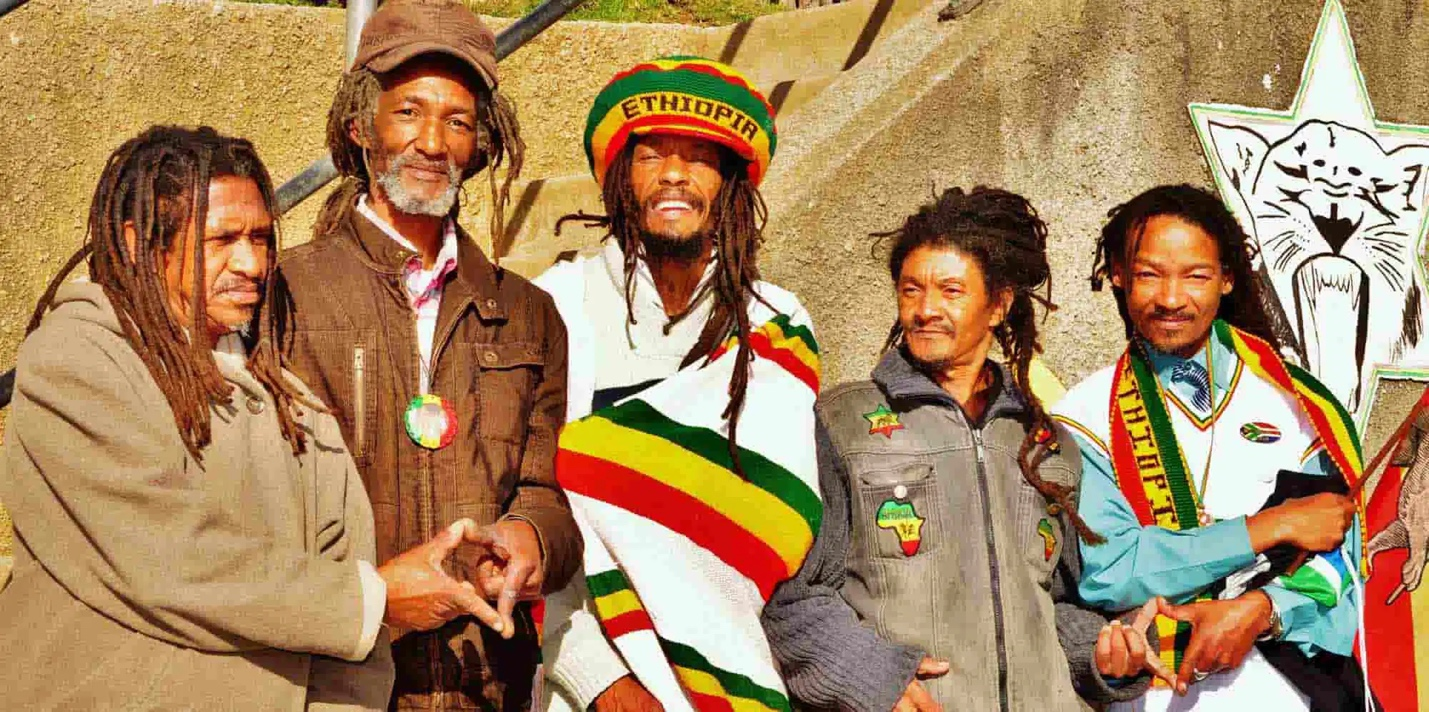
Figure 3: The Rastafari movement among global Black populations draws a great deal of inspiration from Haile Selassie
The Ancient Home of African Christianity: A Spiritual Legacy Carved in Stone
Even before Europe embraced Christianity, Ethiopia had already declared it as the state religion, making it one of the earliest Christian nations in the world. Christianity took root in the ancient Kingdom of Aksum (modern-day Ethiopia and Eritrea) in the 4th century AD, during the reign of King Ezana, who converted after being influenced by Frumentius, a Christian missionary who had been captured as a boy and later appointed the first bishop of Aksum.
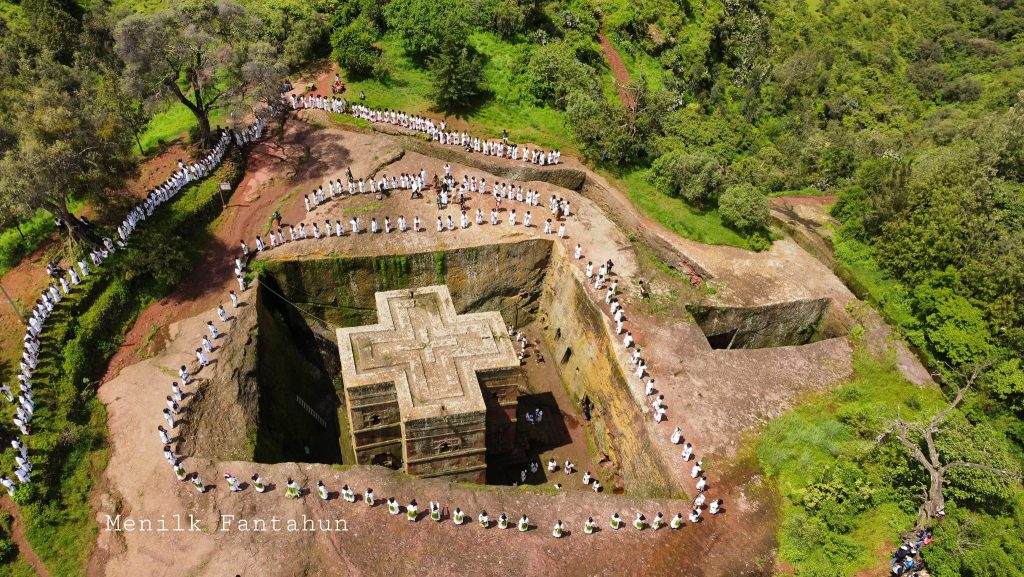
Figure 4: Ethiopia has been the cradle of Christianity in Africa, long before many parts of the world embraced the faith
This early conversion predates the Christianisation of much of Europe, and Ethiopia has maintained a continuous Christian tradition for over 1,700 years. Unlike Western churches shaped by Roman influence, the Ethiopian Orthodox Tewahedo Church developed its own deeply African expression of the faith, complete with its own canon of scripture, ancient chants, and religious customs preserved in the sacred Ge’ez language.
Ethiopia: A Destination of Pride, Purpose, and Discovery
Ethiopia is not just another country on the map. It is a living testament to African ingenuity, sovereignty, and spiritual endurance. For African Americans seeking to reconnect with their ancestral heritage, a trip to Ethiopia is not just about observing history — it’s about participating in it. Whether you're standing on the sacred grounds of Lalibela, walking the imperial halls once graced by Haile Selassie, or witnessing the sunrise over the Simien Mountains, Ethiopia invites you into a deeper conversation about identity, resilience, and belonging.
This is not a land shaped by conquest, but one that shaped its destiny — and offers that same spirit of defiance and dignity to every soul who walks its soil.
Experience Ethiopia with African Connections
African Connections invites you to experience Ethiopia as more than a destination, but as a revelation. Join our expertly guided heritage tours designed for African Americans seeking powerful, transformative journeys across the continent.
Experience Ethiopia—from Holy Trinity Cathedral to Mount Entoto, from Merkato Market to the National Museum —we curate experiences that connect you to the rich culture and history of this country, which holds a unique place in African history.
Reserve your spot now. Don’t miss our unforgettable Ethiopia tour!