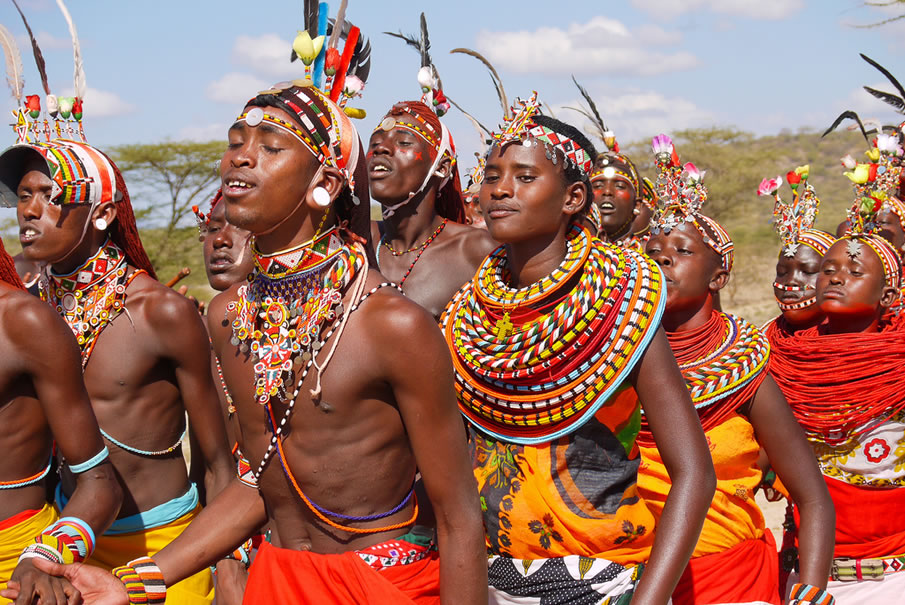
East Africa: Home of Swahili, Living Traditions, and Africa’s Ancient Rhythms
Kwanzaa and the Language of Swahili
As the holiday season nears its end, many African American families reflect on Kwanzaa and its enduring values of unity, self-determination, collective responsibility, cooperative economics, purpose, creativity, and faith.
The word Kwanzaa comes from the Swahili phrase “matunda ya kwanza,” meaning first fruits or first harvests. These principles were intentionally drawn from African traditions to reinforce Pan-African connections and affirm cultural values rooted in the continent itself. In this way, Kwanzaa is not symbolic alone—it is a living bridge between Africa and its global diaspora, and East Africa sits at the heart of that connection.
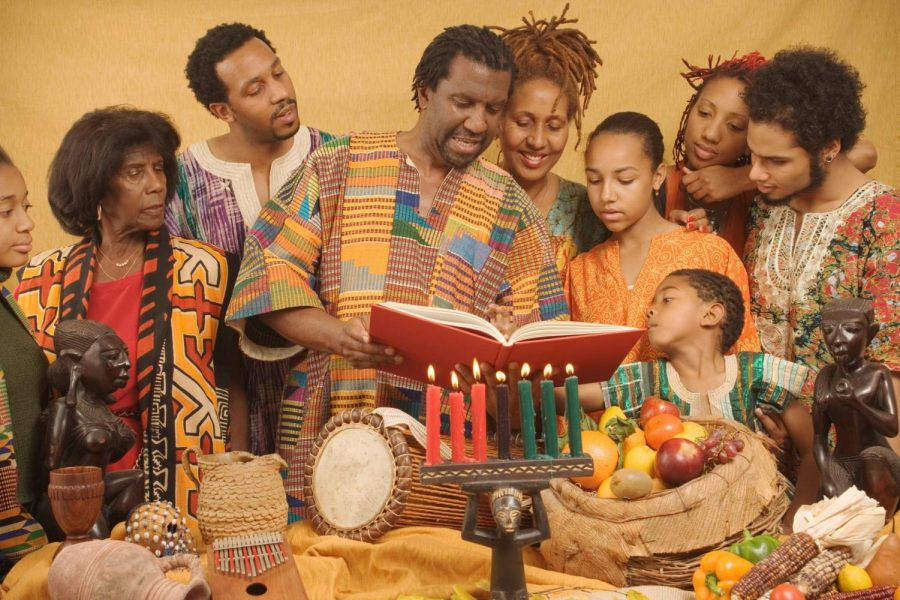
Figure 1: Celebrations such as Kwanzaa have deep roots in Swahili culture
Swahili Culture: Africa’s Indian Ocean Civilization
Kwanzaa is a Swahili word, and Swahili is the language of Kenya and Tanzania. Swahili culture and language are rooted in African Bantu societies and shaped by centuries of interaction through the Indian Ocean trade with Arabia, Persia, India, and Southeast Asia. This exchange produced a distinctly African civilization—cosmopolitan, intellectual, and outward-looking—long before European colonization.
Today, Swahili (Kiswahili) remains one of Africa’s most widely spoken languages and serves as a cultural bridge across East Africa. Its influence can be seen in coastal architecture built from coral stone, in music and poetry, in cuisine rich with spices and coconut, and in everyday social life. Swahili culture reveals an Africa that has been globally connected for more than a thousand years.
The Maasai: Living the History and Culture of the Savanna
Swahililand is home to the Maasai, one of Africa’s best-known indigenous communities. Maasai ancestral lands stretch across modern-day Kenya and northern Tanzania, including the Maasai Mara and Serengeti ecosystems.
Known for their distinctive dress, strong social systems, and pastoral way of life, the Maasai maintain a deep relationship with land, cattle, and wildlife. Their traditions—based on age sets, communal responsibility, and rites of passage—continue to define daily life on the savanna. For African American visitors, encountering the Maasai offers a rare opportunity to engage with an African society that has preserved its cultural identity while adapting to the modern world.
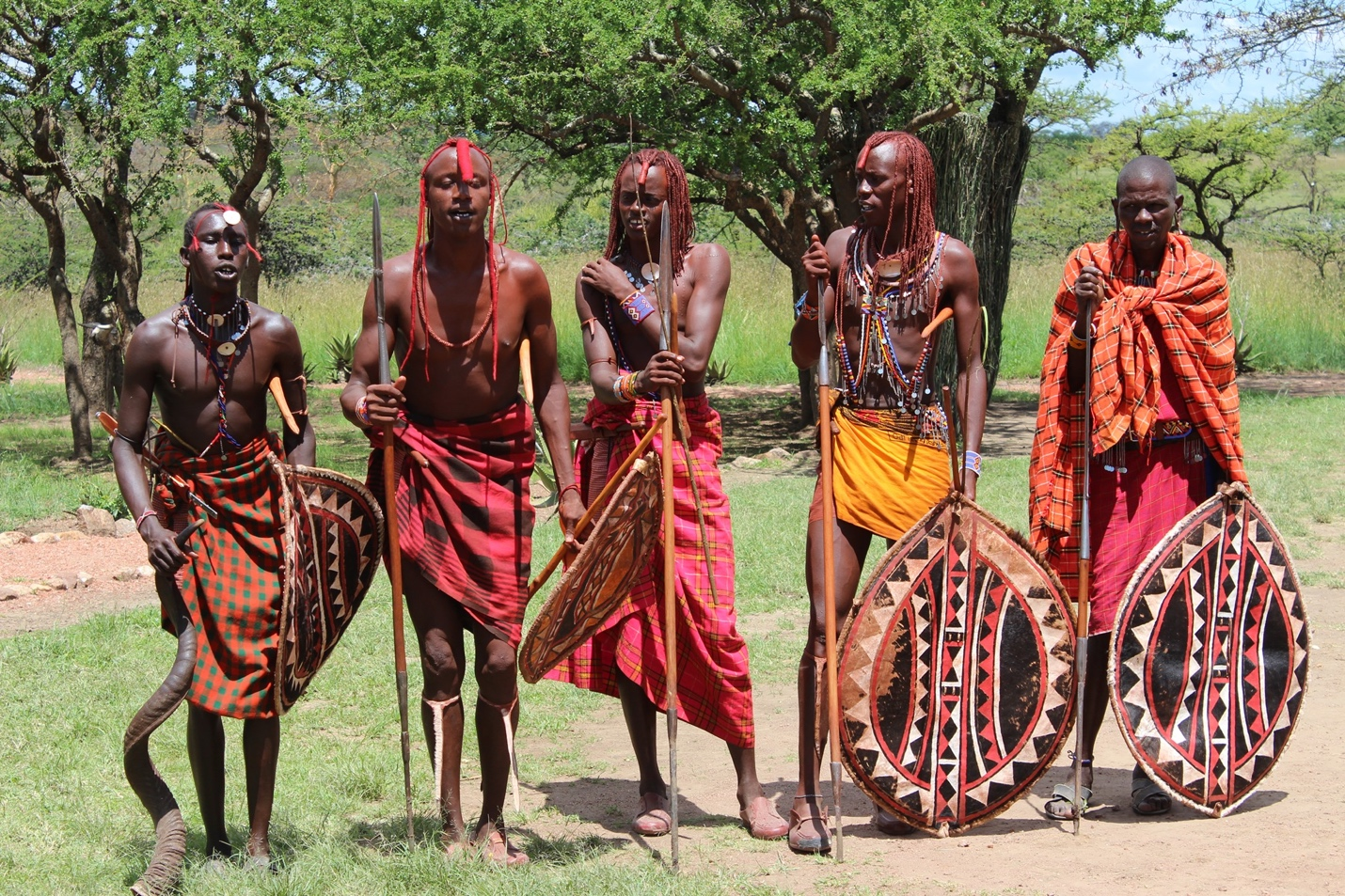
Figure 2: The Maasai people are one of the oldest thriving indigenous groups in East Africa
The Great Migration: Africa’s Timeless Cycle
Swahililand is also home to the Serengeti and the stage for one of the greatest wildlife spectacles on Earth. Each year, approximately two million wildebeest, zebras, and gazelles move in a continuous cycle between Tanzania and Kenya.
Known as the Great Migration, this movement follows ancient rainfall patterns and grazing needs, reminding visitors that African landscapes are governed by natural rhythms far older than modern borders. The migration is a powerful symbol of survival, continuity, and balance—values deeply resonant for many African American travelers.
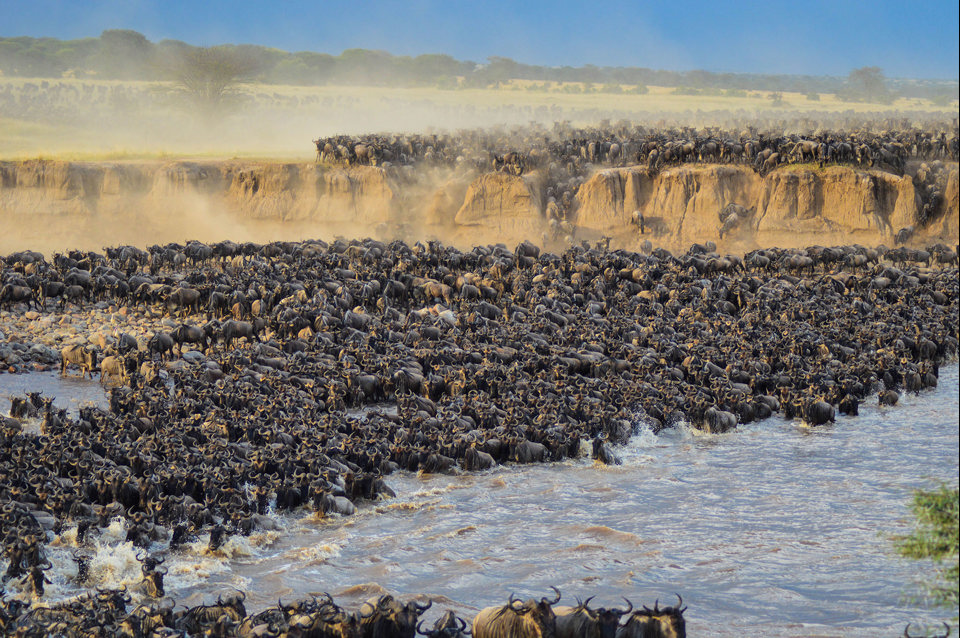
Figure 3: The Great Migration makes for one of the continent’s greatest spectacles
Zanzibar: History, Memory, and Beauty
Zanzibar, one of the jewels of Swahililand, holds a unique place in East Africa’s story. Stone Town, with its carved wooden doors, narrow alleyways, and historic mosques, reflects centuries of commerce, creativity, and cultural exchange along the Swahili Coast.
The island also carries the memory of the Indian Ocean slave trade. This vast and complex system transported millions of Africans to the Middle East, Asia, and European colonies, while also transporting Asian laborers to Africa. Exploring this history offers a deeper, more global understanding of enslavement beyond the Atlantic experience.
Today, Zanzibar balances history with tranquillity. White-sand beaches, spice farms, and warm Indian Ocean waters make it a place of rest and reflection. African Connections tours include three nights at one of the island’s finest all-inclusive beach resorts, allowing travelers to absorb both the island’s history and its beauty.
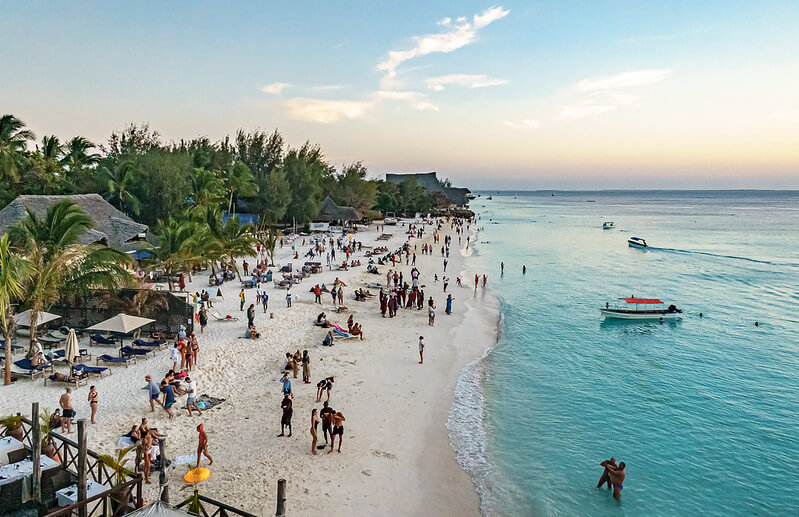
Figure 4: The pristine and lush beaches of Zanzibar, are known across the world
East Africa and the African American Connection
In the 1950s and 1960s, East Africa—particularly Tanzania—became a destination for African American intellectuals, activists, and artists seeking deeper engagement with Africa during the independence era. Under the leadership of Julius Nyerere, Tanzania embraced Pan-Africanism and became a center for Black international thought.
Out of this ongoing dialogue emerged cultural expressions such as Kwanzaa, reinforcing the idea that Africa is not a distant past, but a living presence shaping identity, values, and global Black consciousness.
East Africa is more than a destination: it’s a living, breathing corridor of history, culture, and spectacular natural life. Whether you come to follow the wildebeest, learn Swahili phrases in a market, dance with Maasai hosts, or watch the sun set over Zanzibar’s turquoise sea, the journey can be both joyful and deeply resonant — a bridge across centuries and oceans.
Explore East Africa with African Connections
As you reflect on the year that has just ended and imagine what this new year will bring, why not plan a journey to the home of Swahili: Kenya, Tanzania, and Zanzibar? You will be amazed at this region’s cultural depth and rich historical context.
The African Connections tour of Kenya, Tanzania, and Zanzibar is culturally immersive, includes a Safari experience, opportunities to see thousands of animals engage in the annual spectacle of the Great Migration, and an all-inclusive luxury beach retreat in Zanzibar.
Reserve your spot today!