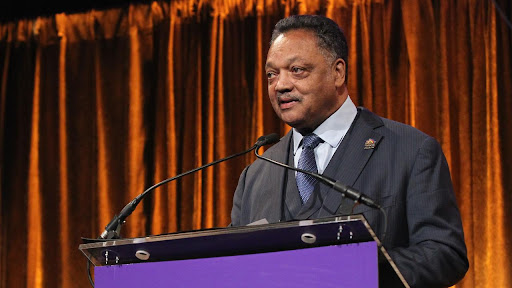
Jesse Jackson and Africa: A Lifelong Journey of Connection, Activism, and Diaspora Solidarity
When people talk about Reverend Jesse Jackson, the first images that come to mind are often tied to the American civil rights struggle — marching alongside
Dr. Martin Luther King Jr., fighting voter suppression, and running for president. But there’s another chapter of Jackson’s remarkable life that deserves
equal attention: his enduring relationship with Africa.
For decades, Jackson has been more than a civil rights icon in the United States. He has been a bridge-builder across the Atlantic, linking African Americans
with their ancestral homeland, lending his voice to freedom struggles, and travelling widely across the continent to promote democracy, peace, and solidarity.
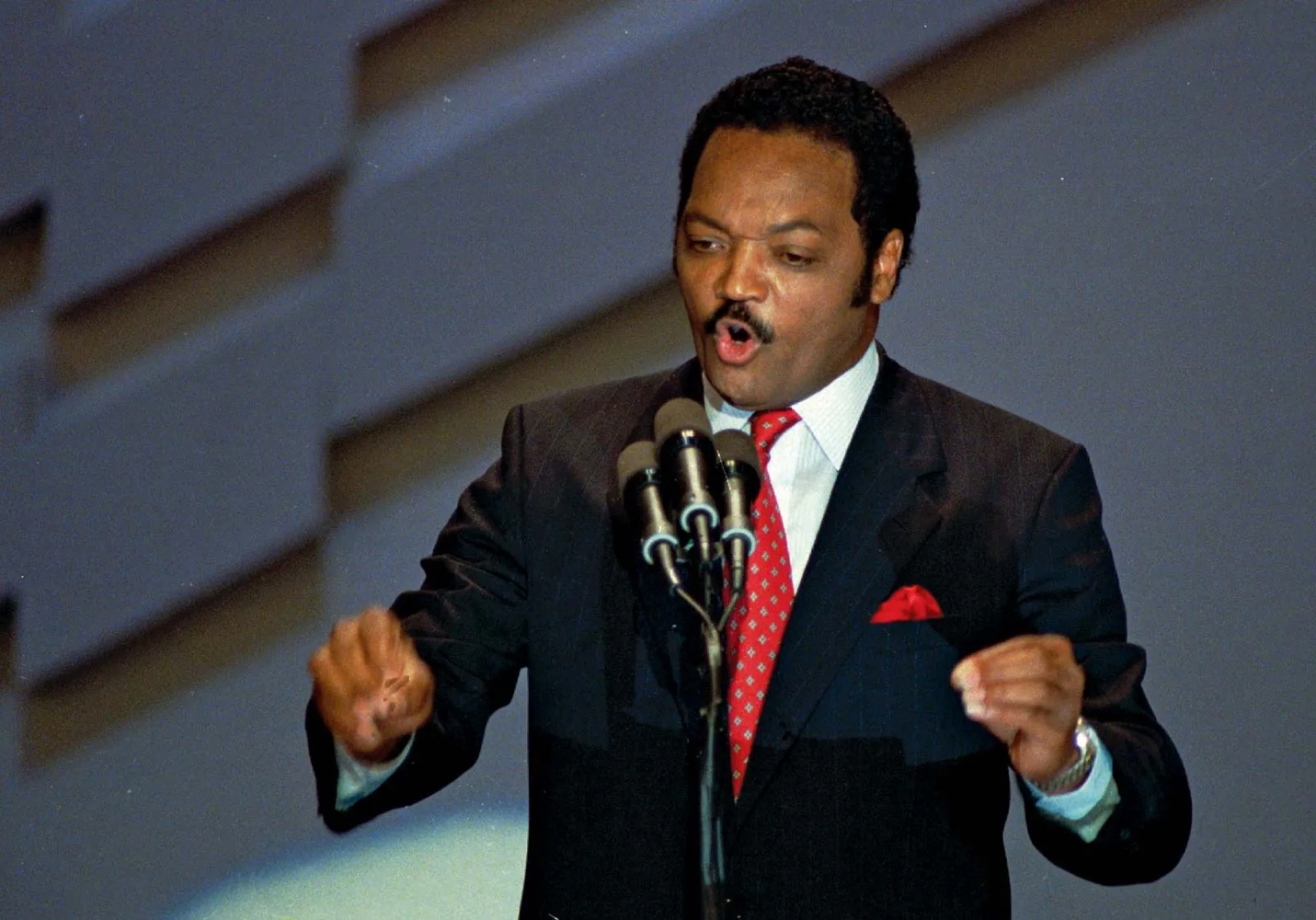
Figure 1: Rev. Jesse Jackson has been a lifelong global voice for Africa
From Civil Rights to Global Advocate
Born in Greenville, South Carolina, on October 8, 1941, Jackson rose through the ranks of the civil rights movement, learning directly under Martin Luther
King Jr. and later founding his own organizations, including the Rainbow/PUSH Coalition.
But by the 1970s, Jackson’s activism expanded beyond America’s borders. He began advocating for oppressed people worldwide, with Africa becoming one of his
most consistent areas of focus.
His anti-apartheid stance in the 1980s, his presence at African liberation events, and his later diplomatic missions all underscored one truth: Jesse Jackson
never saw the African struggle as separate from the African American struggle. They were, in his words, “two rivers flowing into the same ocean of freedom.”
The U.S. Special Envoy to Africa
In 1997, President Bill Clinton appointed Jackson as Special Envoy for the Promotion of Democracy in Africa. In that role, he visited numerous African
countries, met with heads of state, and advocated for democratic reforms and stronger governance.
His missions took him to Kenya, Zambia, Nigeria, Guinea, Sierra Leone, and Ghana, among others. In these countries, Jackson didn’t just meet leaders — he
addressed parliaments, convened civil-society groups, and urged African Americans to see Africa not only as their heritage but also as a continent full of
opportunities.
This was a historic moment: an African American civil-rights leader, once arrested for fighting segregation in the South, was now officially representing
the U.S. government in promoting democracy in Africa.
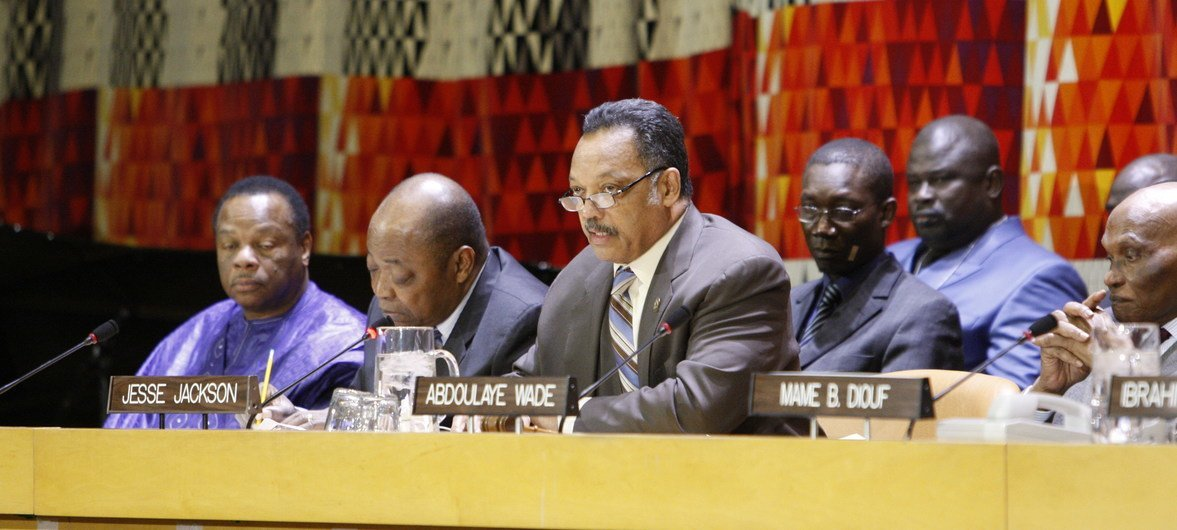
Figure 2: Rev. Jesse Jackson, as U.S. Special Envoy to Africa, addressed several gatherings over the years to champion solidarity with Africa
South Africa: Standing Against Apartheid
If there is one African nation with which Jesse Jackson is most closely associated, it is South Africa. Throughout the 1980s, he was an outspoken critic of
apartheid, organising rallies in the U.S., lobbying American policymakers, and pushing for sanctions.
After Nelson Mandela’s release from prison, Jackson was among the international figures who travelled to celebrate South Africa’s rebirth. In recognition of
his solidarity, the South African government awarded him the prestigious Companion of O. R. Tambo, one of the country’s highest honours.
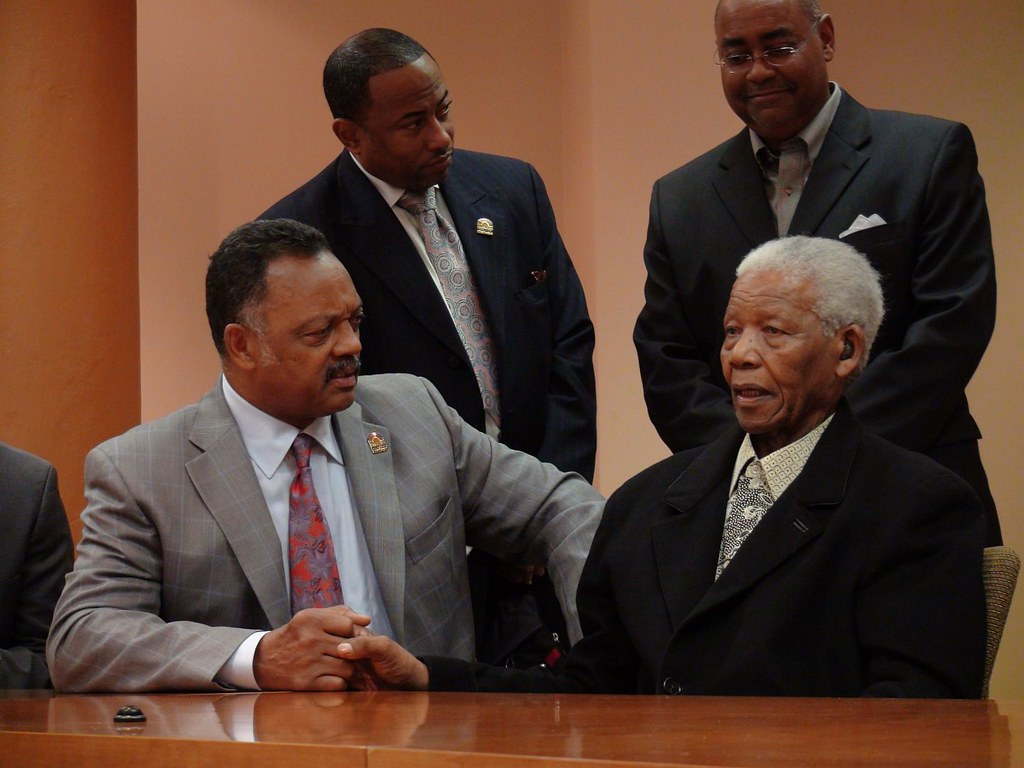
Figure 3: Rev. Jesse Jackson was a fierce critic of apartheid South Africa and maintained a longstanding relationship with Nelson Mandela
This bond symbolised what Jackson stood for — the idea that African Americans must never stand on the sidelines when Africa struggles, but rather walk
alongside their brothers and sisters.
Egypt and the Middle East Connection
Jackson’s Africa ties were not limited to sub-Saharan Africa. In October 1979, he travelled to Egypt and met with President Anwar Sadat. That visit became a
unique moment in history: Sadat entrusted Jackson to carry messages during tense Middle East negotiations.
While the focus of that trip was broader regional diplomacy, it also highlighted Jackson’s stature as a global bridge-builder, respected by African leaders
as much as by those in the West.
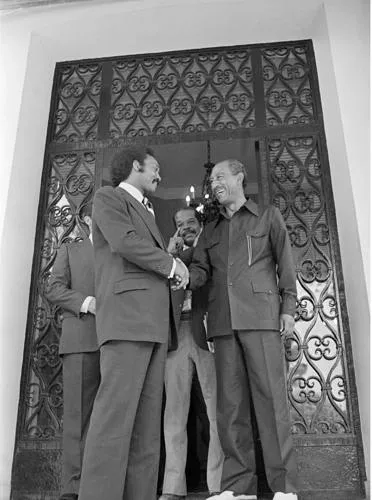
Figure 4: Jesse Jackson and Anwar Sadat, President of Egypt in 1979. Jackson played a significant role in promoting peace in the Middle East, culminating in the Camp David Accords in 1978.
These journeys were not mere symbolic gestures. They were opportunities to connect African Americans with African leadership and to remind both sides
of their shared destiny.
Diaspora “Ambassador”
Though not always in a formal sense, Jackson has often been referred to as an “ambassador” of the African diaspora. At African Union diaspora gatherings
and cultural events in the United States, he has been celebrated as a leading voice advocating for closer ties between Africa and its diaspora.
His message has been consistent: African Americans must see Africa not only as their past but also as their future. He urged investment, travel, cultural
exchange, and political solidarity.
Jackson’s life shows us what reconnecting to Africa truly looks like in practice. He travelled to the Motherland often, not merely as a tourist, but as a
brother, activist, and partner. He built bridges with leaders and everyday people, treating Africa not as a distant land but as family. And he carried
Africa into American politics, consistently reminding the United States that its relationship with the continent must be rooted in respect and genuine
partnership.
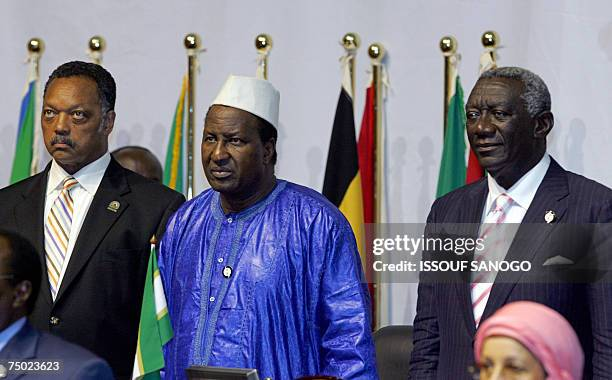
Figure 5: At African Union gatherings, Rev. Jesse Jackson has been celebrated as a leading voice calling for closer Africa-diaspora ties.
For African Americans today, his example is clear. Reconnection isn’t just about DNA tests or symbolic gestures — it’s about showing up, learning,
investing, and joining hands with Africa’s struggles and triumphs.
Walking in Jesse Jackson’s Footsteps
Jesse Jackson’s relationship with Africa is a reminder that the Atlantic Ocean is not a divide but a bridge. From Cairo to Johannesburg, Accra to Nairobi, he has walked the Motherland’s soil not as a stranger, but as a son returning home.
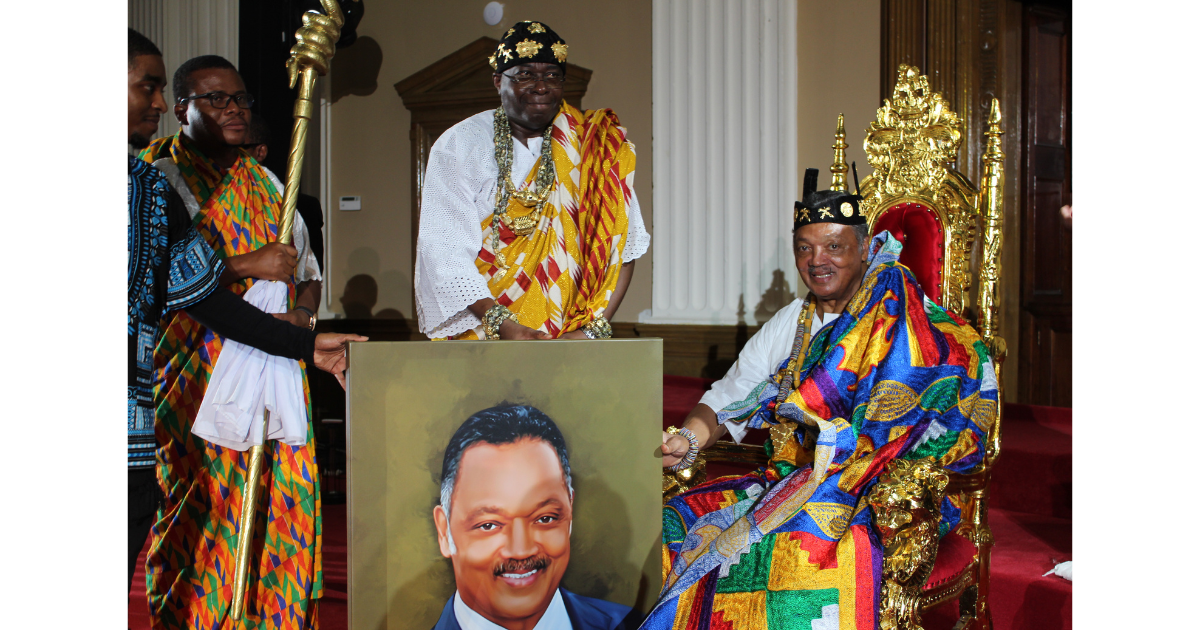
Figure 6: In 2022, Ghanaian King Nyaho Tamakloe VI crowned Jesse Jackson 'King' in Chicago, bestowing on him the title 'King of the African Diaspora.'
His footsteps invite African Americans today to follow — to rediscover Africa’s cultures, to engage in its development, and to see in Africa not only the
story of their ancestors but also the promise of their future.
Join Us- Return to the Motherland in 2026
We invite you to take the next step in your own reconnection journey. African Connections is offering amazing tours to Ghana, Egypt, Senegal, South Africa, Morocco, Kenya, Tanzania, Zanzibar, and Ethiopia in 2026.
Sign up today and experience Africa!