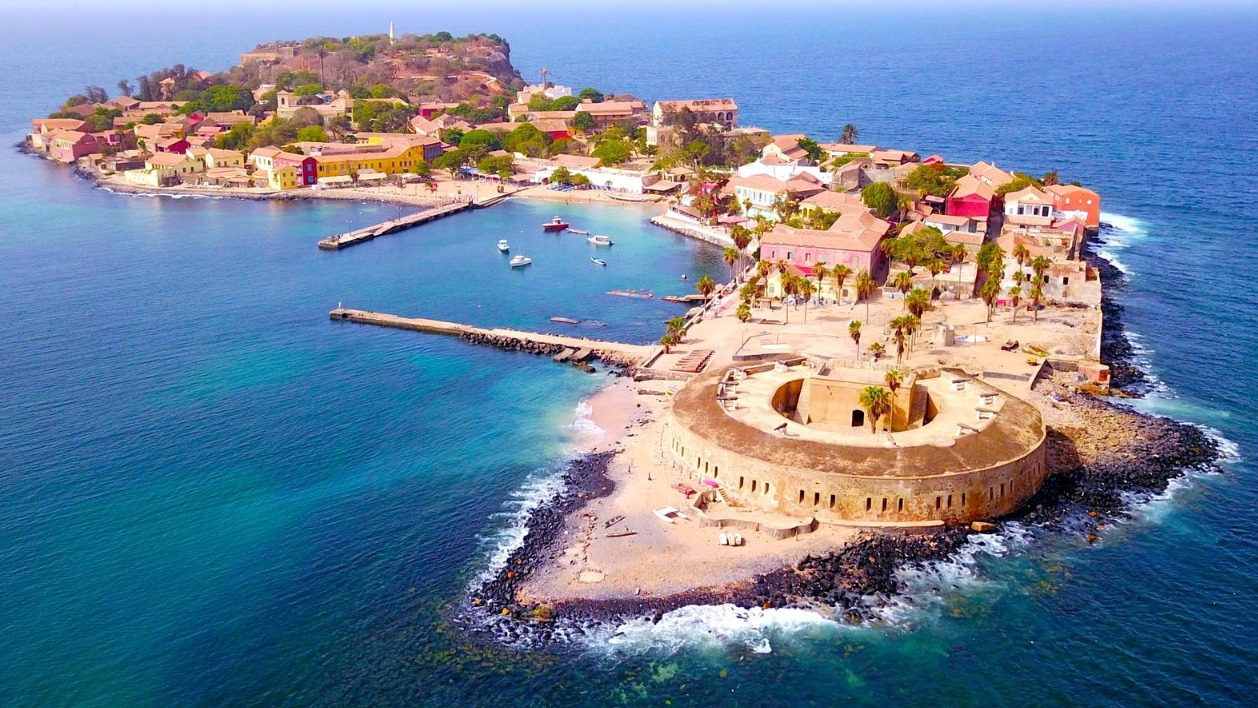
The Annual Dakar-Gorée Swim: Crossing the Waters of Memory, Freedom and Reconnection
On the last Sunday of September each year, the Atlantic waters between Senegal’s capital, Dakar, and the UNESCO World Heritage Site of Gorée Island are
transformed into a living tapestry of endurance, remembrance, and unity. The Dakar-Gorée Swim is no ordinary open-water race. It is a symbolic crossing of
2.8 to 3.2 miles, echoing the harrowing and heroic attempts of thousands of enslaved Africans who once swam these very waters in their attempts to escape
the horrors of Goree Island.
A Race with Roots in History
Gorée Island is one of the most haunting places in the African diaspora narrative. From the 15th to the 19th century, this small,
rocky island served as a hub for the transatlantic slave trade. The infamous “House of Slaves,” with its narrow chambers and the symbolic
“Door of No Return,” stands as a stark reminder of the millions of lives uprooted from Africa and scattered across the Americas.
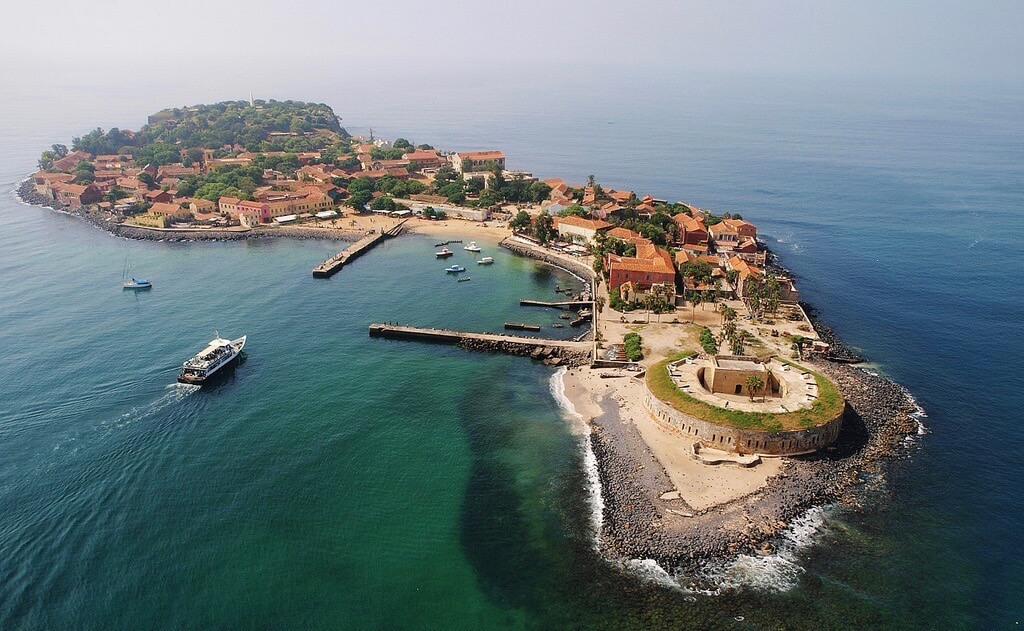
Figure 1: Gorée Island holds a haunting legacy as a key port in the transatlantic slave trade
Historical accounts tell of enslaved Africans—driven by an unyielding desire for liberty—who leapt into the ocean, sometimes still in chains,
attempting the perilous swim toward the mainland and freedom. Few survived the strong currents, yet their acts of defiance have been immortalised
in oral history.
The Annual Swim was conceived to honor the courage and resilience of our ancestors. The race has evolved from humble beginnings to become a well-attended
event, with more than 600 swimmers participating.
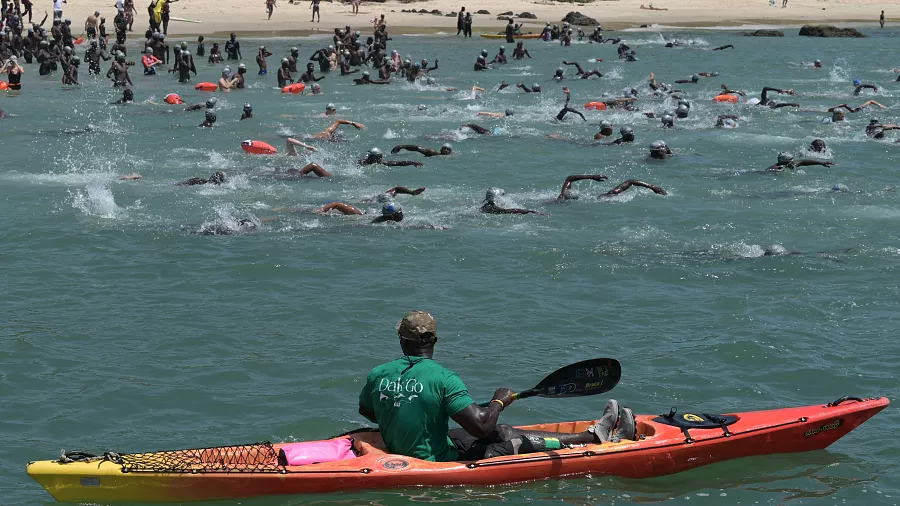
Figure 2: Swimmers from all over the world take part in the Dakar Swim each year to honor the courage and resilience of the ancestors
Large crowds gather each year to cheer on the swimmers, who must contend with shifting currents, waves, and physical fatigue.
This event is infused with celebration. Drummers, dancers, and local vendors line the shore. Families, tourists, and descendants of the African diaspora
gather in a shared spirit of remembrance, where exhausted swimmers are welcomed with applause, song, dancing, and drumming.
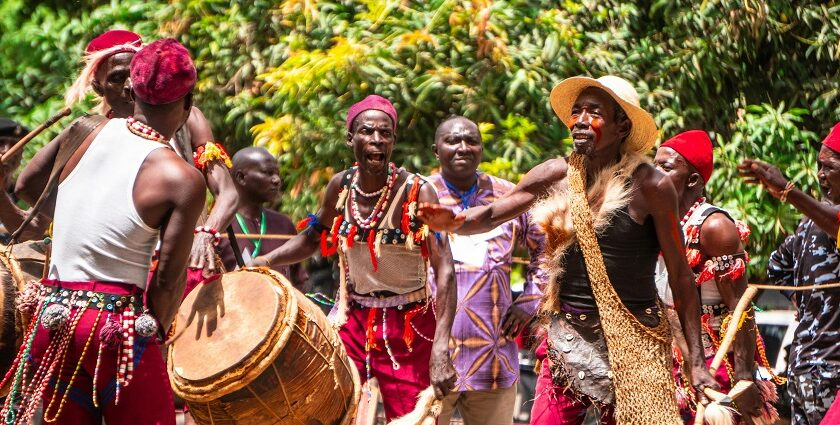
Figure 3: The Dakar swim is infused with drumming and dancing as both tourists and locals cheer on the swimmers
The swim has been described as a “marathon on water,” demanding months of preparation, rigorous training, and mental resilience.
However, the Annual Swim is more than a test of endurance; it is a ritual of remembrance to honor those brave ancestors who resisted enslavement, many of
whom lost their lives in the attempt.
As one swimmer stated: “Every stroke feels like a conversation with history.”
For African Americans, the swim offers a unique opportunity to reconnect symbolically with our shared heritage. This transformative act reframes historical
trauma into a celebration of the strength and courage of the ancestors.
Why African Americans Should Witness the Swim
The Annual Swim offers a unique way to connect with ancestral history.
It is transformational to stand at the same waters where such brave acts of defiance once unfolded.
While on Goree Island, be sure to visit the “House of Slaves” and stand at the “Door of No Return.”
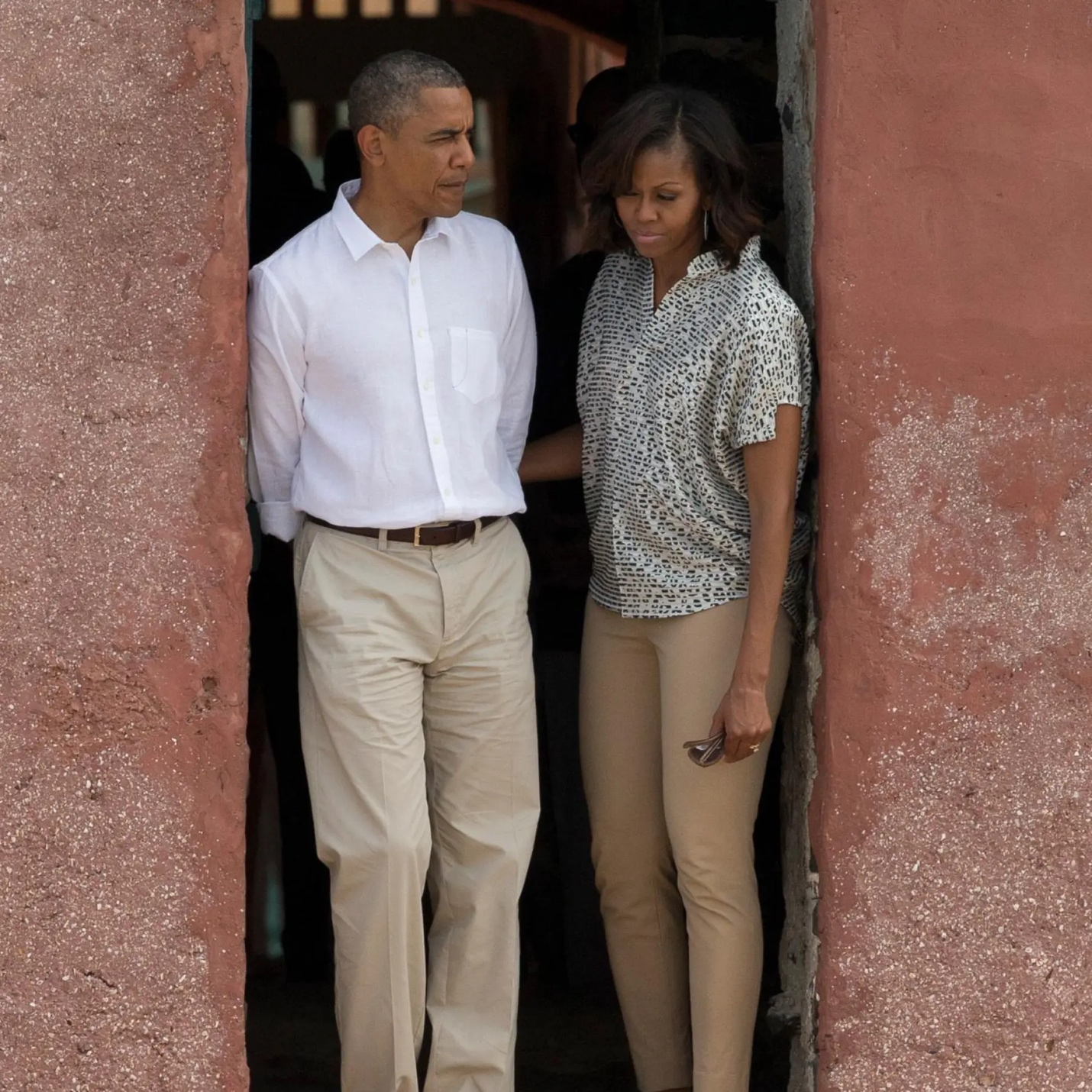
Figure 4: Former US President Barack Obama and his wife, Michelle, at the infamous ‘Door of No Return’ on Gorée Island
When you witness this amazing race, you can’t help but feel the weight of history in the salt air. The Annual Swim is not simply a race—it is a journey across time, honoring those who resisted and celebrating the resilience of those who endured slavery, upon whose backs we stand.
Go to Senegal with African Connections
At African Connections, we curate journeys that bring you face-to-face with history and culture.
Join us for our September 2026 tour of Senegal and let us guide you through a powerful, meaningful journey that will stay with you forever.
Senegal has so much to offer. Besides the historical connections, Senegal provides some of the world's most beautiful beaches and wildlife that will thrill any Safari enthusiast.
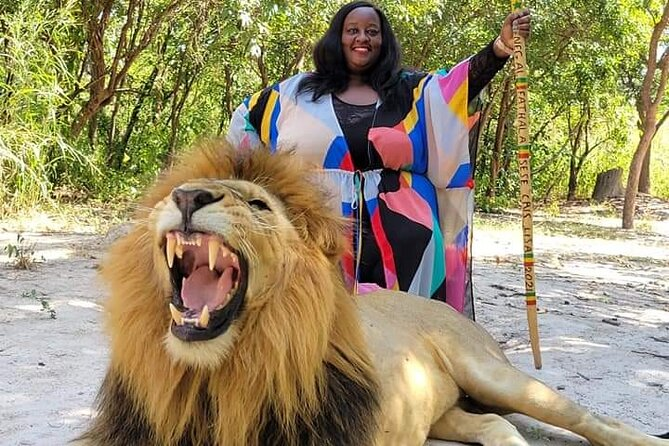
Figure 5: Senegal provides wildlife experiences that will thrill any Safari enthusiast
Reserve your spot today!