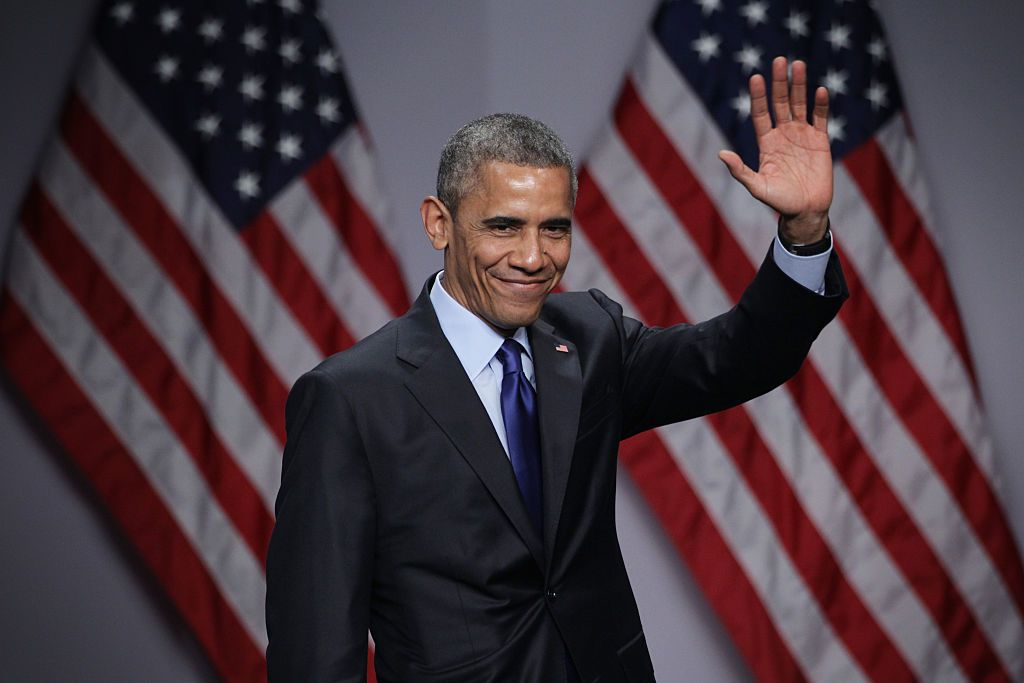
Did you know Obama returned to the Motherland soon after becoming President?
This month, we honor the birth of one of the most important leaders in African American history. President Barack Hussein Obama was born on August 4, 1961. We proudly dedicate our newsletter this month to this iconic leader, who continues to inspire millions across the African diaspora.
As we celebrate Obama’s birthday, we should take this opportunity to examine more closely an aspect of his enduring legacy that does not always receive the attention it deserves.
Obama fully embraced his African roots.
Just months after he became president, he chose Ghana, a country with inextricable links to the African American story, as the destination of his first international trip. He visited the “Slave Houses” of Goree Island in Senegal, and he has made several trips to Kenya, his ancestral home.
Obama's rise from modest beginnings to become the first African American President of the United States is not just a story of political success; it is a journey of identity, legacy, and deep-rooted heritage. His footsteps through Ghana, Kenya, and Senegal continue to inspire African Americans to rediscover their ancestral roots, reconnect with Africa, and reclaim their place in the larger African story.
The Making of Barack Obama: A Son of Two Worlds
Born in Honolulu, Hawaii, to a Kenyan father and an American mother from Kansas, Barack Obama grew up with a unique worldview shaped by diverse cultures. His father, Barack Obama Sr., hailed from the Luo ethnic group in Nyang’oma Kogelo, a rural village in western Kenya. Although Obama Sr. separated from the family when Barack was young, the Kenyan connection remained a profound and enduring part of his identity.
Obama spent much of his early life navigating questions of race, belonging, and identity. After graduating from Columbia University in New York City, he worked as a community organizer on the South Side of Chicago, serving underserved neighbourhoods and advocating for social justice. He later earned a law degree from Harvard Law School, where he became the first African American president of the prestigious Harvard Law Review.
A Historic Presidency That Reshaped America and Inspired the World
Obama’s political career began in the Illinois State Senate in 1997. He quickly rose through the ranks and gained national attention with his stirring keynote address at the 2004 Democratic National Convention. By 2008, his message of “Hope” and “Change” resonated with millions, propelling him to a decisive victory as the 44th President of the United States—and the first Black man to ever hold the office.
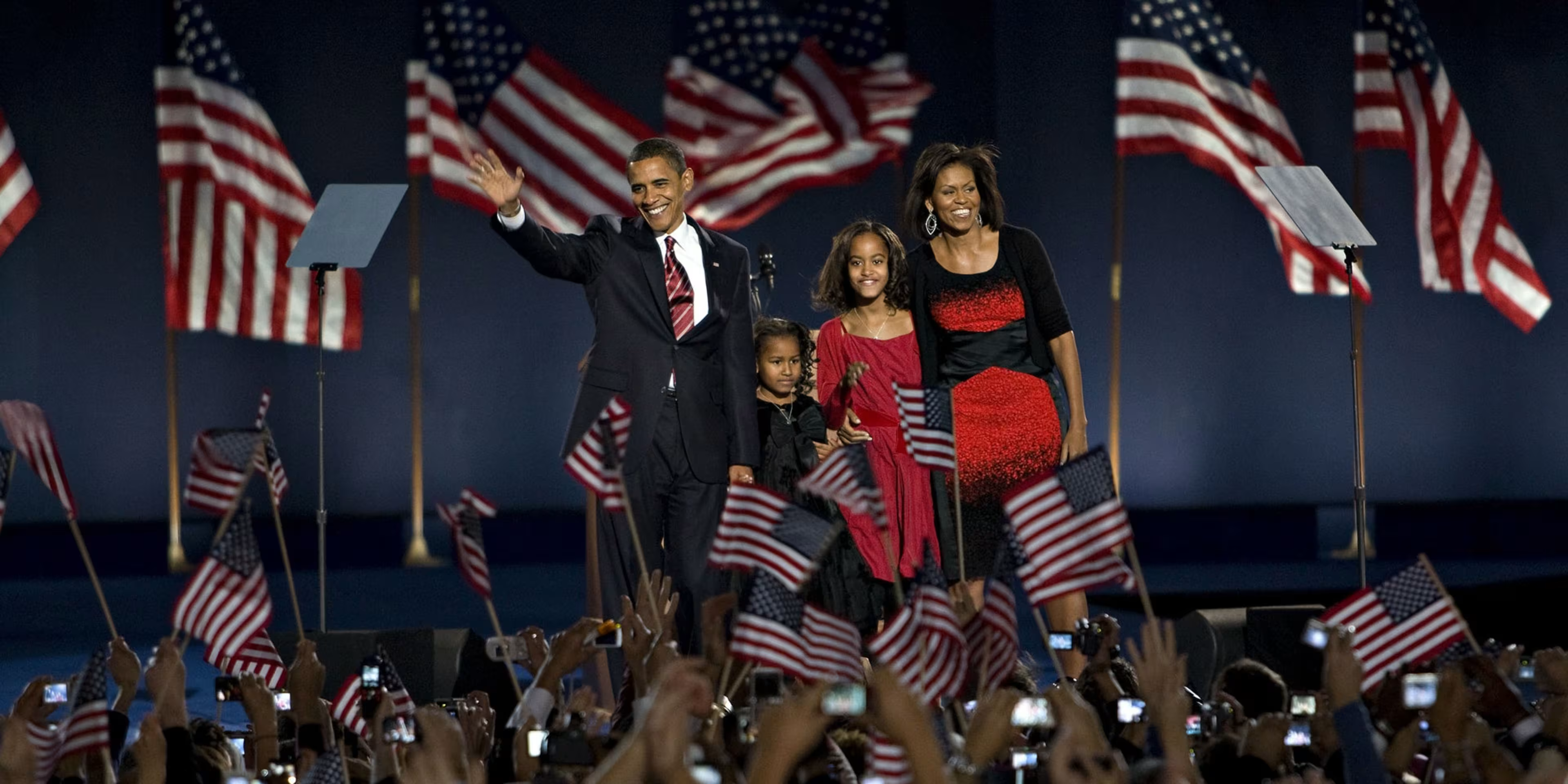
Figure 1: Barrack Obama made history as the first African American president of the United States
His presidency (2009–2017) was marked by landmark legislation such as the Affordable Care Act, the rescue of the U.S. economy from recession, and a foreign policy that sought to rebuild America's image globally. But beyond policy, Obama's presence in the White House was deeply symbolic for African Americans and people of African descent around the world. He was a living testament to the power of perseverance, education, and vision.
Obama’s First Presidential Trip: Ghana
In a profound and symbolic gesture, President Obama chose Ghana for his first official international trip after taking office in 2009. The choice was deliberate. Ghana was—and remains—a beacon of democracy, peace, and pan-African pride. But the emotional centrepiece of the visit was his stop at the Cape Coast Slave Dungeons, one of the infamous dungeons where enslaved Africans were held before being shipped across the Atlantic.
Standing at the "Door of No Return" with First Lady Michelle Obama, daughters Malia and Sasha and mother-in-law, Marian Robinson, he reflected on the horrors of slavery and the resilience of the African spirit. “I think it was a very powerful moment,” he later said. “The castle (dungeon) is a place where history speaks to us in a whisper and a scream.”
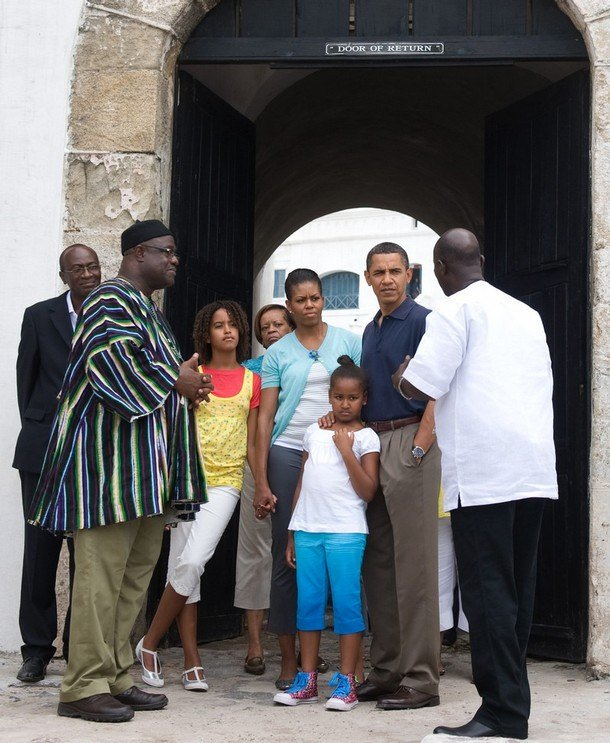
Figure 2: President Obama with his family in front of the symbolic ‘Door of Return’ during their tour of the dungeons at the Cape Coast Castle in 2009
The imagery of the first African American President walking through the same passageways that once shackled his ancestors sent a powerful message to African Americans and the entire diaspora: your story began here, and your return matters.
In June 2013, President Obama, together with his family was back in Africa, visiting Senegal. The family as part of their journey, made the mandatory visit to the “Door of No Return” on Goree Island, a monument to the victims of the Atlantic slave trade, further highlighting his affinity with the continent and desire to reconnect with his African roots.
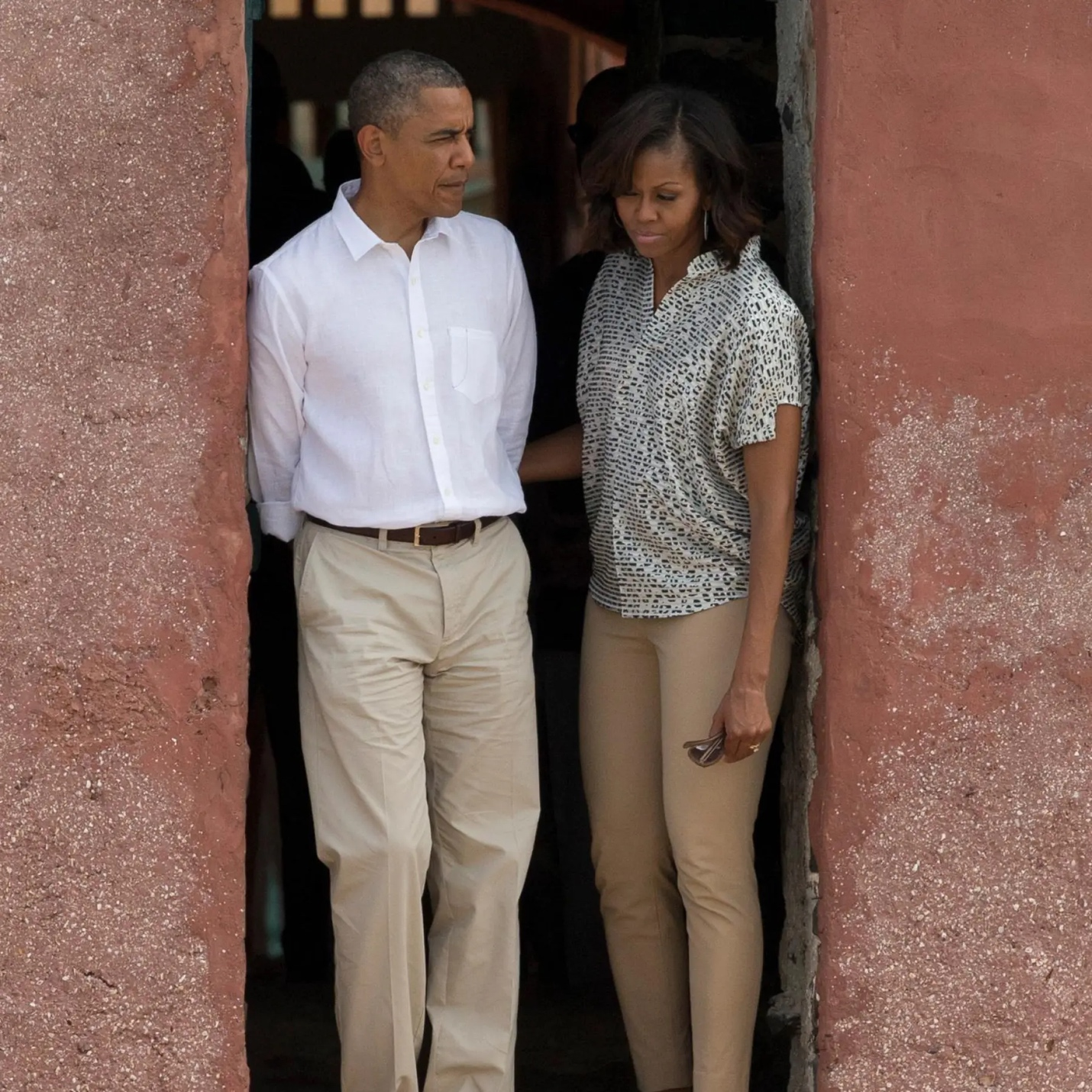
Figure 3: President Obama and First Lady, Michelle at the historic ‘Door of No Return’ at the Goree Island in Dakar
Kenya: The Land of His Father
Obama’s connection to Kenya is intimate and deeply personal. Long before he became a global icon, he visited his father’s homeland in the 1980s, a journey he chronicled in his memoir Dreams from My Father. The experience of meeting his paternal relatives, including his grandmother—affectionately known as “Mama Sarah”—gave him a fuller understanding of who he was.
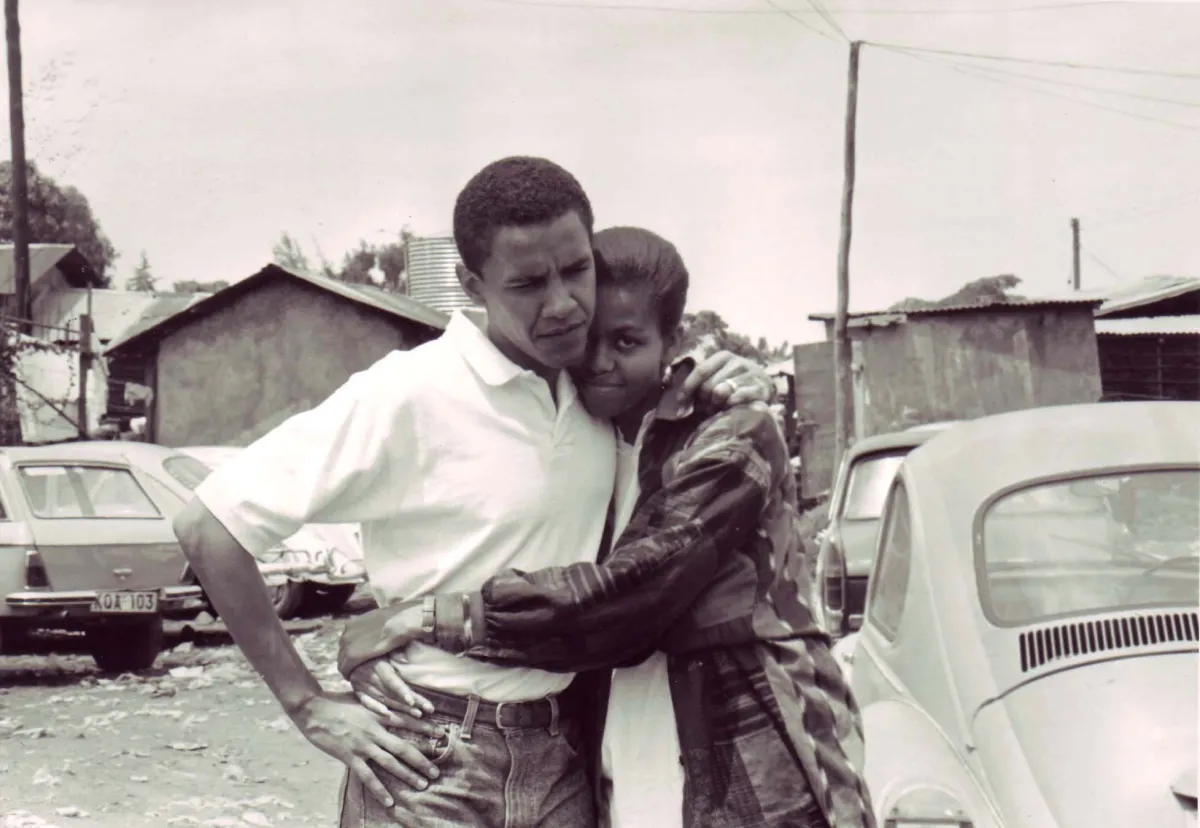
Figure 4: Long beore his presidency, Obama and wife, Michelle returned to Kenya
After leaving office, Obama returned to Kenya in 2018 to inaugurate the Sauti Kuu Foundation Centre, founded by his sister Dr. Auma Obama to empower Kenyan youth. His visits to Kenya are filled with family reunions, cultural exchanges, and a quiet pride in being a son of the soil.
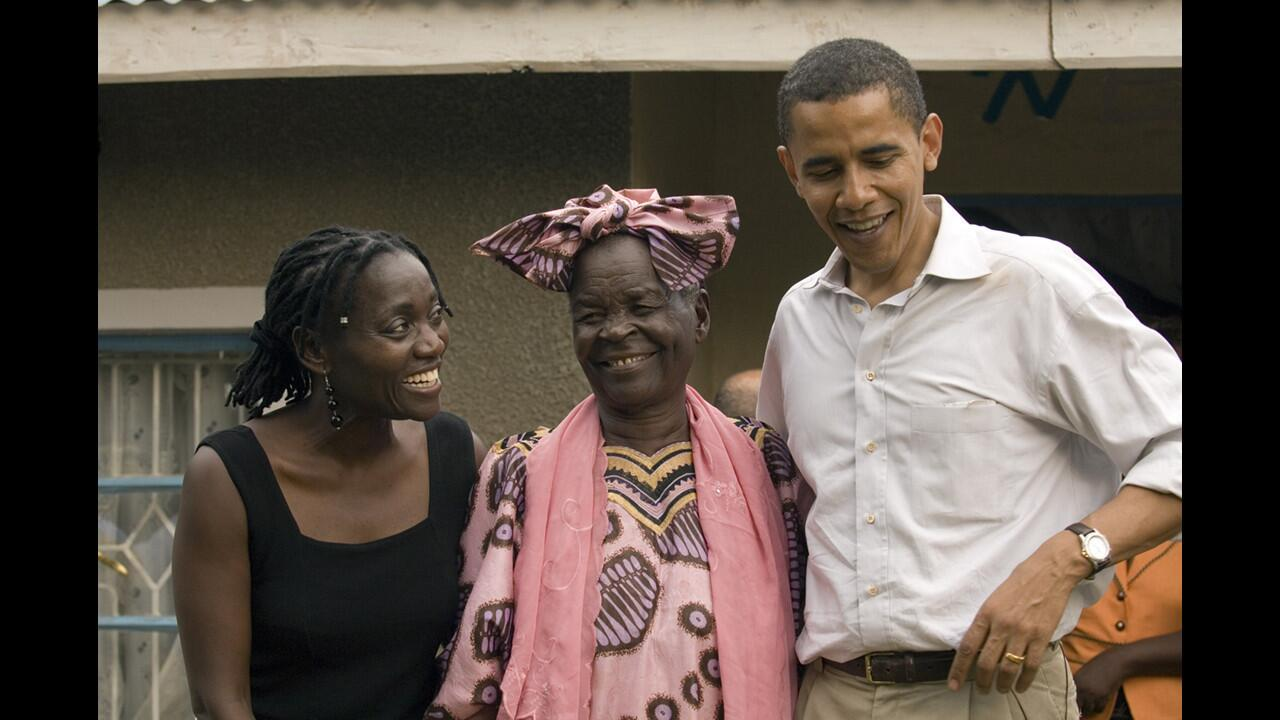
Figure 5: President Obama reconnects with his sister, Dr. Auma Obama and grandmother, Mama Sarah Obama during his visit to Kenya
Follow Barack Obama’s Example and Walk the Path of the Ancestors
Barack Obama went inside the slave dungeons in Ghana and the slave houses of Senegal and stood at the infamous “Doors of No Return.” He followed the footsteps of his ancestors and reconnected with his African roots.
His example should invite each of us to ask: How would it feel to walk the path of the ancestors?
At African Connections, we’ve been helping people of African descent answer that question for decades, with curated “Return to the Motherland” tours that invite us to reconnect to our African heritage, culture, and history. Our tours are educational, empowering, and a lot of fun!
Join our Senegal tour and go inside the House of Slaves. Come to Ghana, and wade in the water at “Slave River,” and see the “Door of No Return” for yourself.
Or travel to Kenya, the land that shaped President Obama’s story, and immerse yourself in the culture of this ancient land.
Book your tour today!