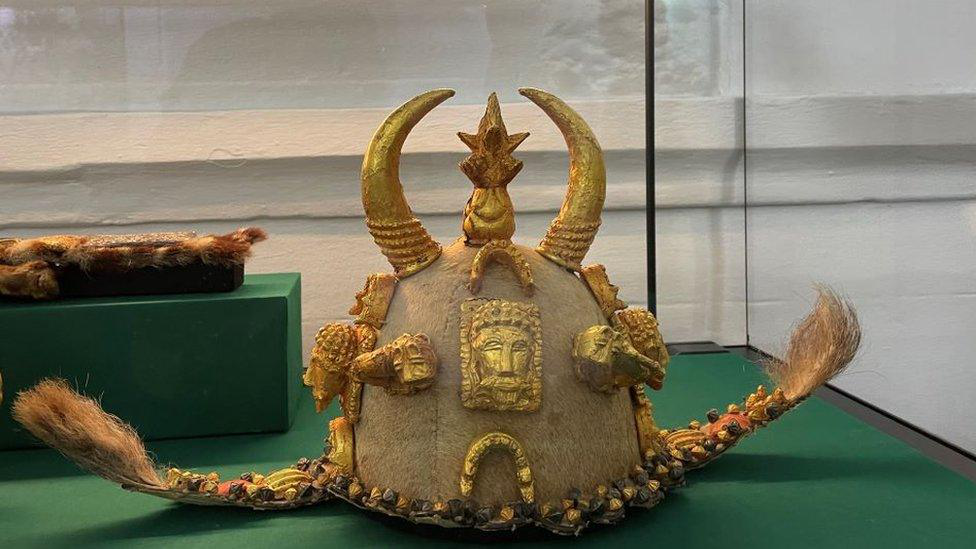
Homecoming of Asante Treasures: How resistance and diplomacy brought looted regalia back to Kumasi
In a long-awaited ceremony in Ghana’s Ashanti capital, a selection of gold and silver royal treasures taken from the Asante (Ashanti) kingdom during
19th- and early 20th-century colonial campaigns has been returned to the Manhyia Palace Museum in Kumasi. For many Asante people, the objects — ceremonial
swords, gold ornaments, stool fittings, and other regalia — are not simply art: they are living symbols of authority, continuity, and the kingdom’s soul.
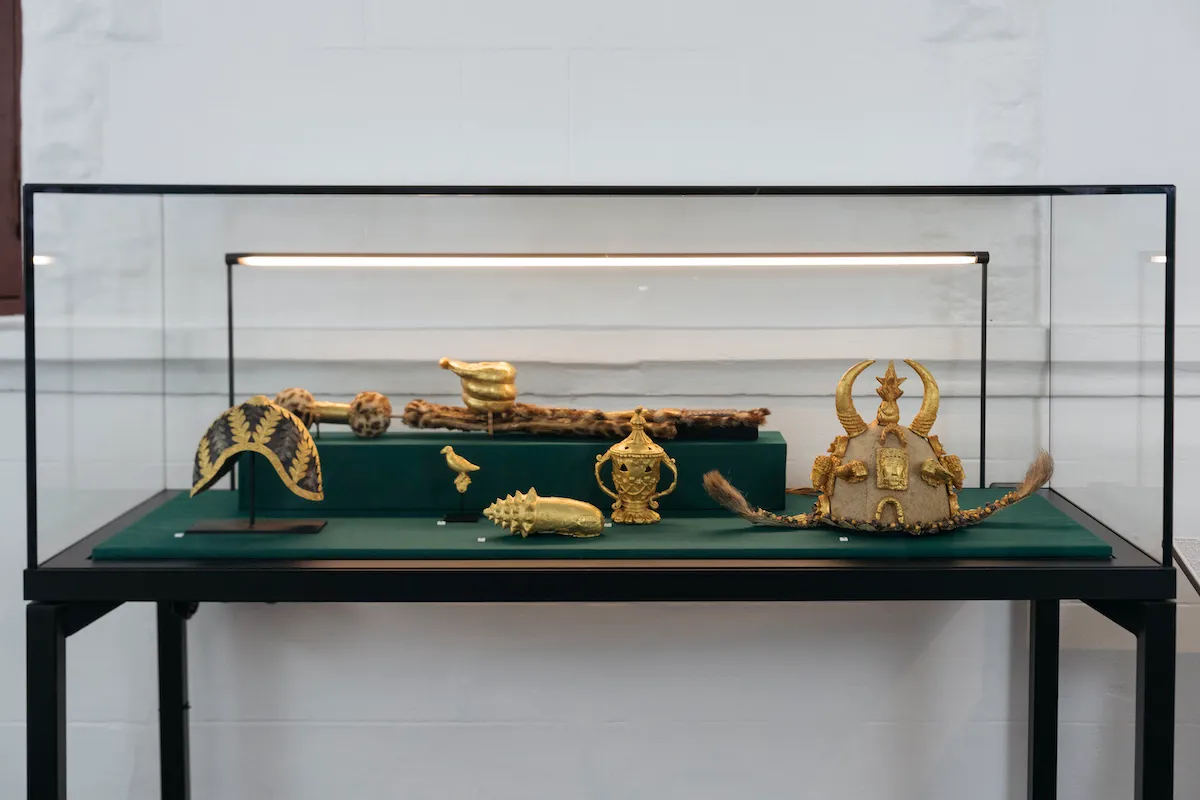
Figure 1: Looted artefacts from the Asante kingdom are finally on display in Ghana, 150 years after British colonisers took them.
Most of the items on display were taken during punitive British expeditions against the Asante in the 19th century, notably after the 1874 raid on Kumasi and the later
Anglo-Asante conflicts that culminated in the War of the Golden Stool at the turn of the 20th century.
These stolen items then entered European collections via government seizure, auction, and museum accession, where many remained for more than a century.
A History Of Resistance: Yaa Asantewaa and the War of the Golden Stool
The return of the Asante regalia is deeply tied to a story of resistance and unyielding pride. In 1900, the Asante people rose in defiance during the War of the Golden Stool,
led by the courageous Queen Mother Yaa Asantewaa, after British officials sought to claim the Golden Stool — the sacred embodiment of Asante unity and sovereignty.
Determined to protect their nation’s spiritual heart, Yaa Asantewaa rallied the chiefs and warriors of Asante to defend their heritage against colonial intrusion. When the British demanded to sit upon
the Stool as a symbol of dominance, the Asante outwitted them by presenting a replica, keeping the true Golden Stool hidden and safe from desecration.
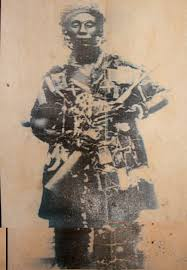
Figure 2: Yaa Asantewaa was a fearless queen mother who led the Asante men to fight the British from possessing the Golden Stool.
Though the war ended in Yaa Asantewaa’s capture and exile, the Asantes’ act of defiance ensured that their most sacred symbol remained untouched, etching their courage and wisdom permanently into Ghana’s
national memory.
Diplomatic Workaround — Loans, Not Full Restitutions
Because of legal and legislative limits within the United Kingdom, the recent movements of Asante items have been mainly structured as long-term loans rather than outright, permanent restitutions.
In early 2024, the V&A and the British Museum announced plans to lend a combined group of Asante gold and silver items to Manhyia Palace Museum — an arrangement that Ghanaian leaders hailed as an important
symbolic and practical step toward addressing colonial-era losses, even as activists pressed for firmer commitments to permanent return.
Other institutions, including some American museums, have made outright repatriations in separate cases, returning smaller groups of objects in recent years.
What came home —Examples of the regalia
Among the pieces now exhibited are ceremonial pipe and sword fittings, sheet-gold ornaments, and stool-adornments that once formed part of the Asantehene’s court dress and regalia. Museum curators and palace
officials emphasize that many of these items carry ritual functions: they are used in ceremonies that connect present leadership to past ancestors and to the political authority embodied by the Golden Stool.
For Asante custodians, seeing these objects back in Kumasi — even on loan — is often described as the “return of our souls.”
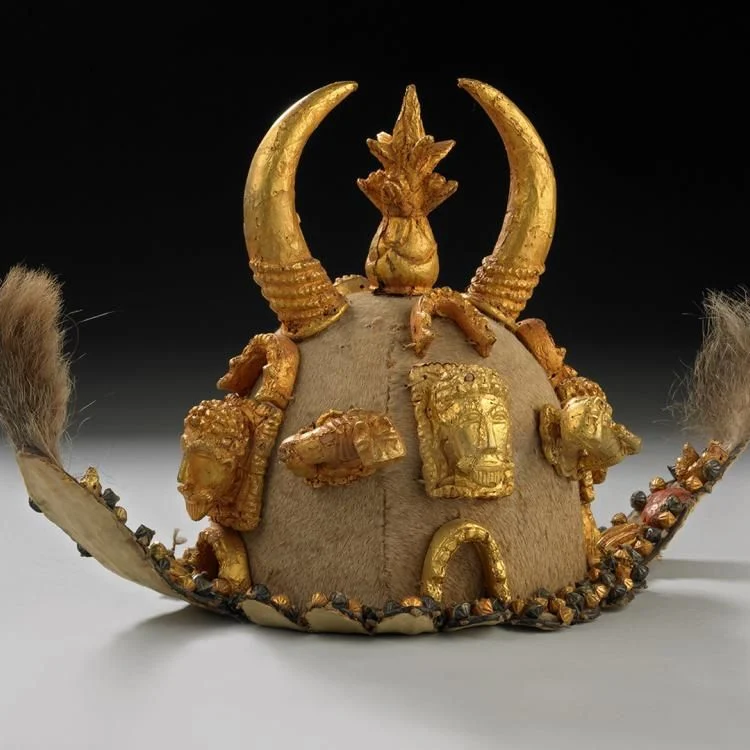
Figure 3: A ceremonial cap worn by courtiers at coronations is among the items that the British stole.
While the loan arrangements fall short of the permanent redress that is called for, the homecoming has nevertheless been met with celebration as visitors can now engage directly with these priceless
items of Asante material heritage that had been unavailable for generations.
A Living Past on Public Display
At Manhyia Palace Museum, the objects are presented with context: archival material, oral histories, and curatorial text that link each piece to Asante protocols, chiefs, and the stories of
resistance that surround them.
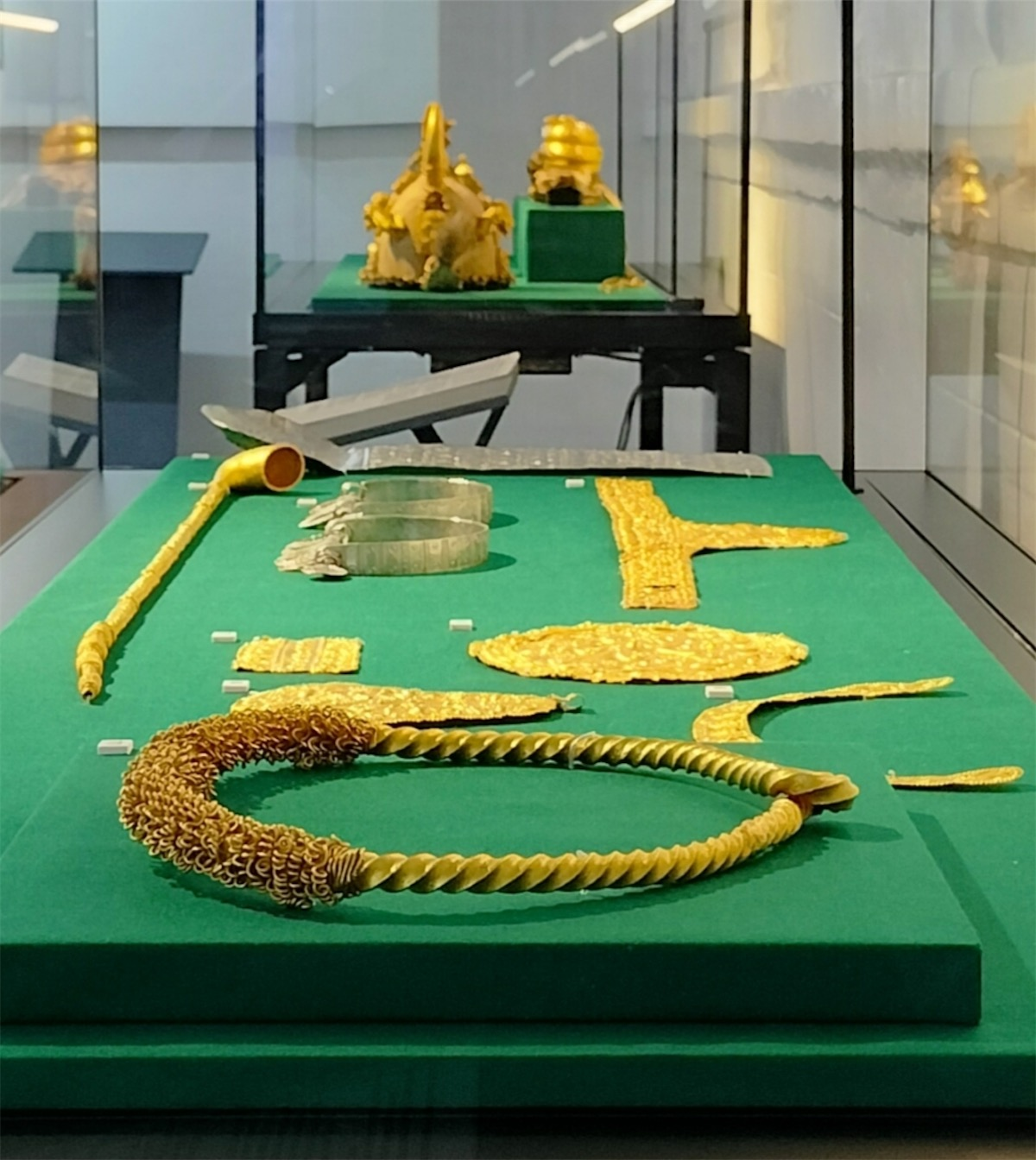
Figure 4: The neck ring or 'kanta' was worn by the king at meaningful funerals and is part of the returned items on display.
Remembering the Struggles that Kept a People Together
The story of these objects is inseparable from the bravery of those who resisted empire — from the fighters and chiefs who defended towns and forest forts to Yaa Asantewaa,
whose leadership during the War of the Golden Stool remains a touchstone for anti-colonial memory. That resistance is not framed in museums solely as an artifact of the past;
it is presented as the root of contemporary pride and a claim to self-determination that continues to shape Ghana’s cultural diplomacy today.
Experience the Homecoming for Yourself
Visitors to the Manhyia Palace Museum can now witness these treasures firsthand — golden ornaments glowing beneath the Ghanaian sun for the first time in generations. Each artefact tells a story: of artistry,
courage, and the unyielding will of a people who refused to surrender their spirit, even when their possessions were taken.
Plan Your Heritage Journey to Ghana
Join African Connections on an unforgettable journey through Kumasi, Accra, and beyond — tracing the footsteps of kings, queens, and freedom fighters. Stand in the royal courtyard where history was made,
connect with Ghana’s vibrant people, and discover your own roots along the way.
Whether you’re traveling solo, with family, or as part of a group, we’ll curate a journey filled with heritage, culture, and personal discovery — designed especially for African American travellers
reconnecting with their ancestral home.