Two March Sixths: From Dred Scott to Ghana’s Independence — A Story of Exclusion, Resistance, and Return
Two March Sixths: From Dred Scott to Ghana’s Independence — A Story of Exclusion, Resistance, and Return
March 6th is a date that should give America pause.
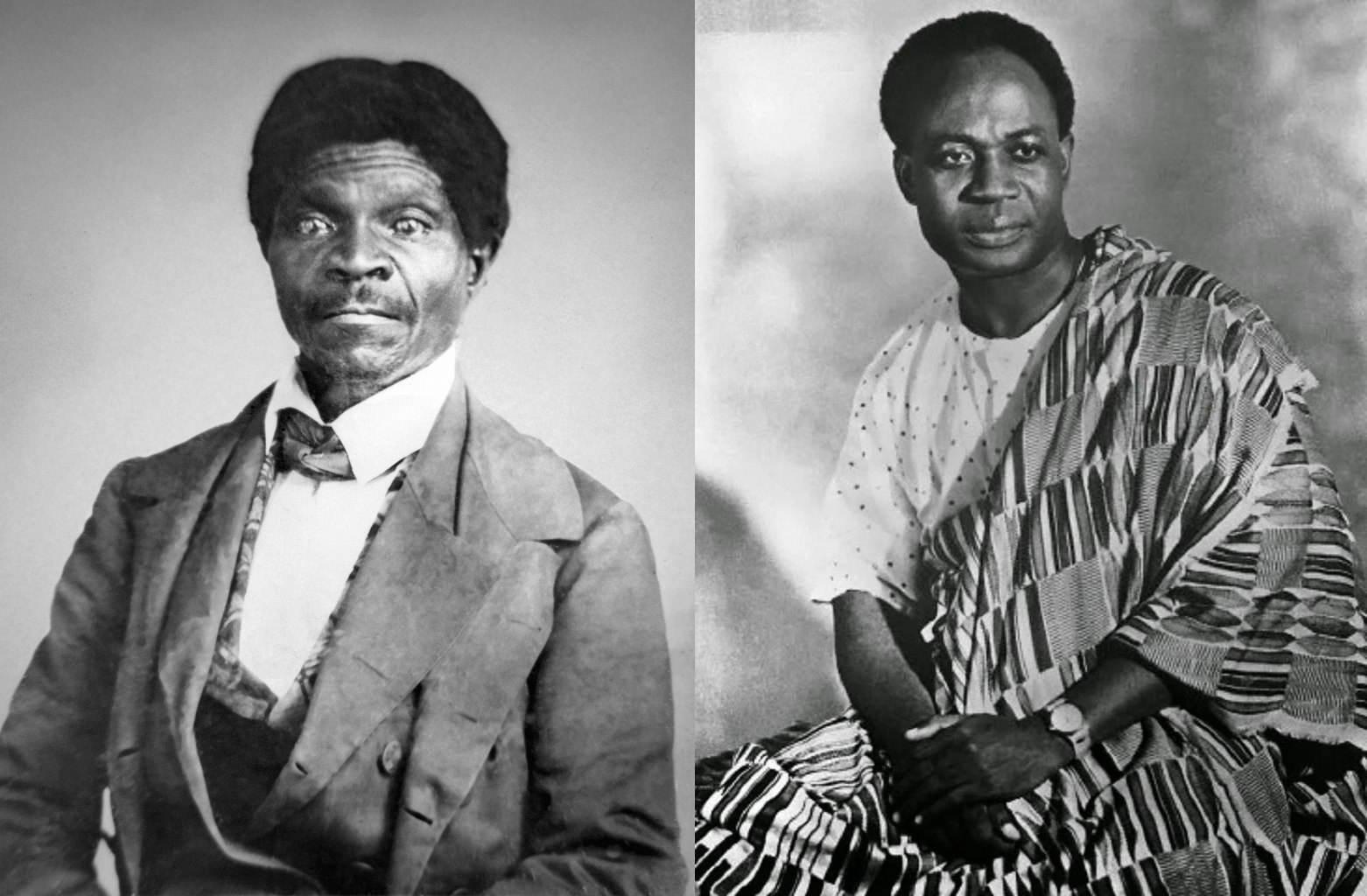
On March 6, 1857, the United States Supreme Court issued its ruling in Dred Scott v. Sandford, one of the most infamous decisions in American history. In it, the Court declared that Black people—whether enslaved or free—were not citizens of the United States and had “no rights which the white man was bound to respect.” With a single ruling, the nation’s highest court formalized what white supremacy had long practiced: the legal exclusion of Black people from the promise of American democracy.
The decision did not just deny Dred Scott his freedom. It denied the humanity and national belonging of an entire people.
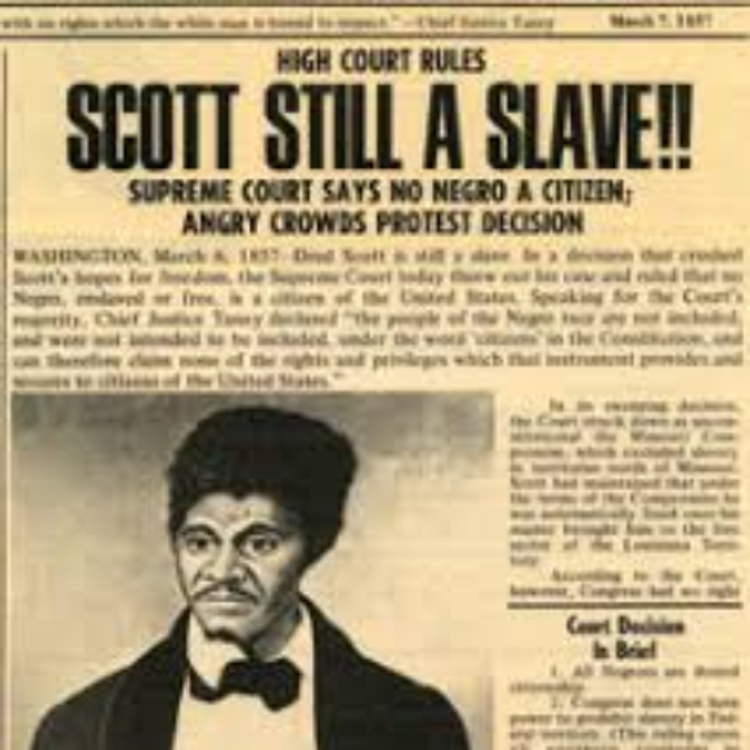
Figure 1: This newspaper carries the banner headline of the outcome of the Dred Scott decision on March 6th 1857
Today, as debates rage across the country over voting rights, curriculum censorship, racial equity, and the meaning of citizenship itself, March 6th calls for serious reflection. Many of the hard-fought gains of the Civil Rights Movement—once thought secure—now feel fragile. In courtrooms, statehouses, and school boards, the struggle over whose history matters and whose rights are protected continues. The spirit of exclusion that animated the Dred Scott decision may not be written in law the same way, but its echoes can still be heard.
And yet, March 6th tells another story too.
Exactly 100 years after the Dred Scott ruling, on March 6, 1957, Ghana declared its independence from British colonial rule. Under the leadership of Kwame Nkrumah, Ghana became the first sub-Saharan African nation to break free from European colonial control.
Two March Sixths. Two radically different messages about Black life and freedom.
In 1857, America declared that Black people had no claim to citizenship.
In 1957, Ghana declared to the world that Black people would define their own nationhood.
Ghana’s independence did more than shift Africa’s political map—it energized the global Pan-African movement. Nkrumah understood that Ghana’s freedom was inseparable from the liberation of African people everywhere, including those in the diaspora. His famous words, “The independence of Ghana is meaningless unless it is linked up with the total liberation of Africa,” resonated far beyond the continent.
For African Americans living under Jim Crow segregation, racial terror, and legalized discrimination in the 1950s, Ghana’s independence was a beacon. It proved that Black people could govern themselves, build institutions, shape foreign policy, and command international respect. It was a direct rebuttal to the assumptions embedded in the Dred Scott decision a century earlier.
This is why Ghana has long held a sacred place in African American consciousness. Civil Rights leader Martin Luther King Jr. attended Ghana’s independence celebration in 1957 and returned to the United States inspired. Scholar and activist W. E. B. Du Bois moved to Ghana in his later years, invited by Nkrumah to help develop the Encyclopedia Africana. Writer Maya Angelou lived in Ghana during the 1960s, as did Malcolm X, who saw in Africa a broader stage for the fight for Black human rights.
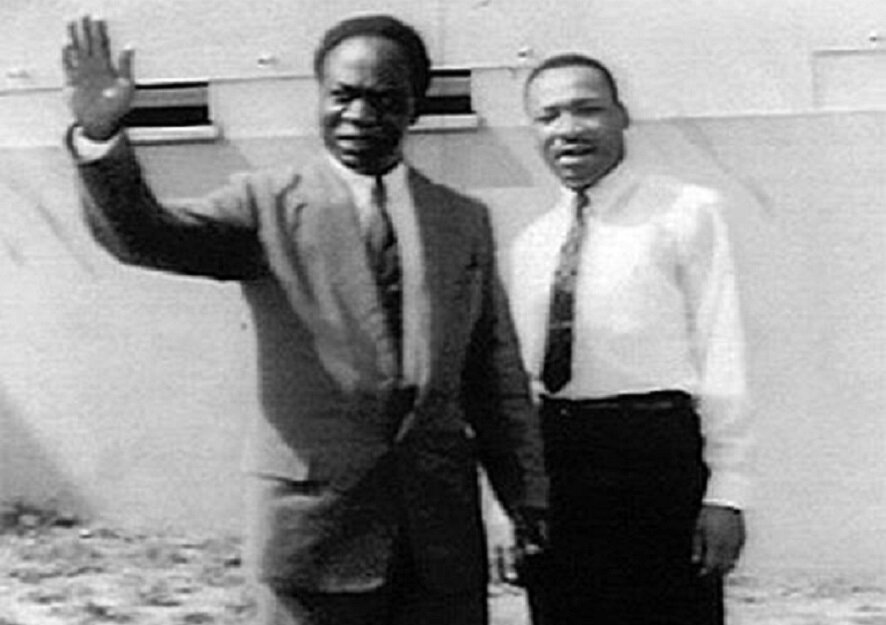
Figure 2: Dr. Martin Luther King Jr. in a pose with Dr. Kwame Nkrumah before the declaration of Ghana's independence on 6th March 1957
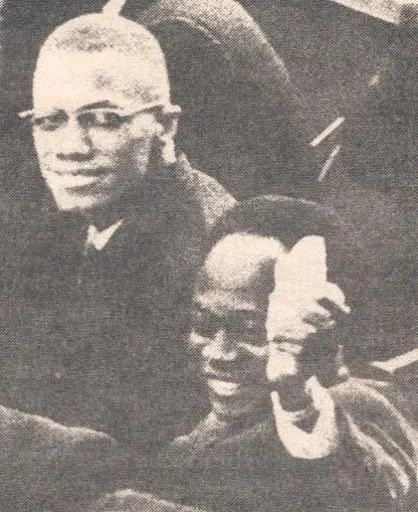
Figure 3: Malcolm X sits close Kwame Nkrumah at a rally for the American Committee in Africa in New York
For them—and for many who followed—Ghana was not just another country. It was a spiritual homecoming. A place where descendants of the transatlantic slave trade could reconnect with history, culture, and possibility.
More than a century after Dred Scott, African Americans continue to navigate struggles around civil rights, political representation, economic inequality, and social justice. Progress has been real, but it has never been permanent. The lesson of March 6th is that rights can be denied—but they can also be reclaimed. Identity can be suppressed—but it can also be redefined.
Ghana’s Independence Day invites reflection—but also action.
To visit Ghana is to stand at the intersection of trauma and triumph. It is to walk through the slave dungeons along the Cape Coast and Elmina shoreline and confront the brutal history of forced departure. It is to stroll the streets of Accra and witness the vibrancy of a modern African capital. It is to experience festivals, music, language, and family structures that survived despite centuries of rupture. It is to encounter a nation that openly welcomes the African diaspora—not as strangers, but as relatives returning home.
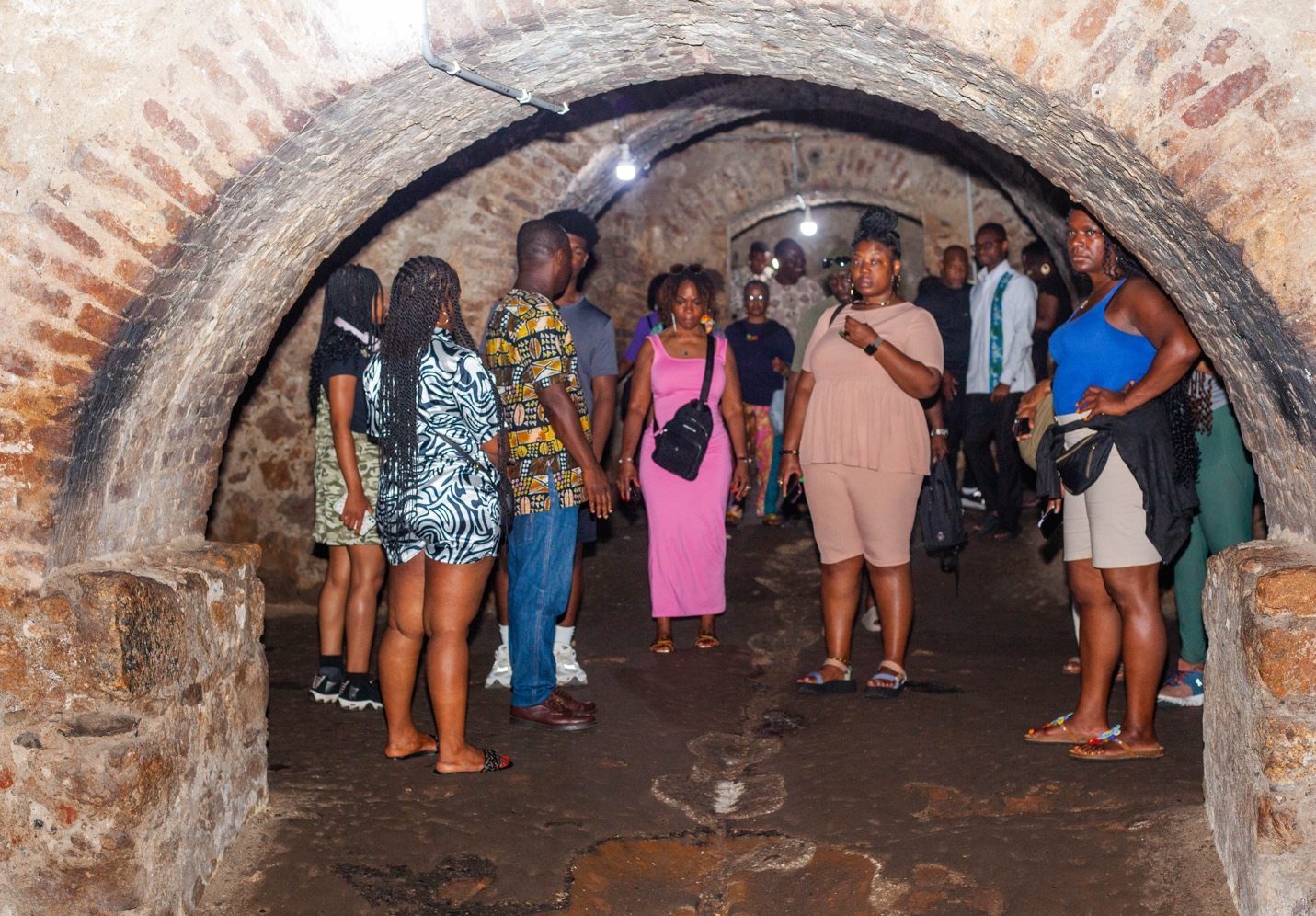
Figure 4: Visiting Ghana and touring sites such as slave dungeons allows African Americans to connect history with lived experience
March 6th reminds us that the story of Black freedom is not confined to America’s borders. It stretches across oceans and generations. It includes courtroom defeats and independence celebrations, despair and determination.
One March 6th tried to define Black people out of existence as citizens. Another March 6th declared Black self-determination to the world.
The question each generation must answer is this: Which legacy will we build on?
African Connections Invites You to Experience Ghana
As Ghana marks 69 years of independence this March, African Connections invites you to Return to the Motherland. Experience Ghana through thoughtfully curated heritage journeys. Travel with purpose. Walk in history. Reconnect with your roots. Let African Connections be your trusted guide to the Motherland.