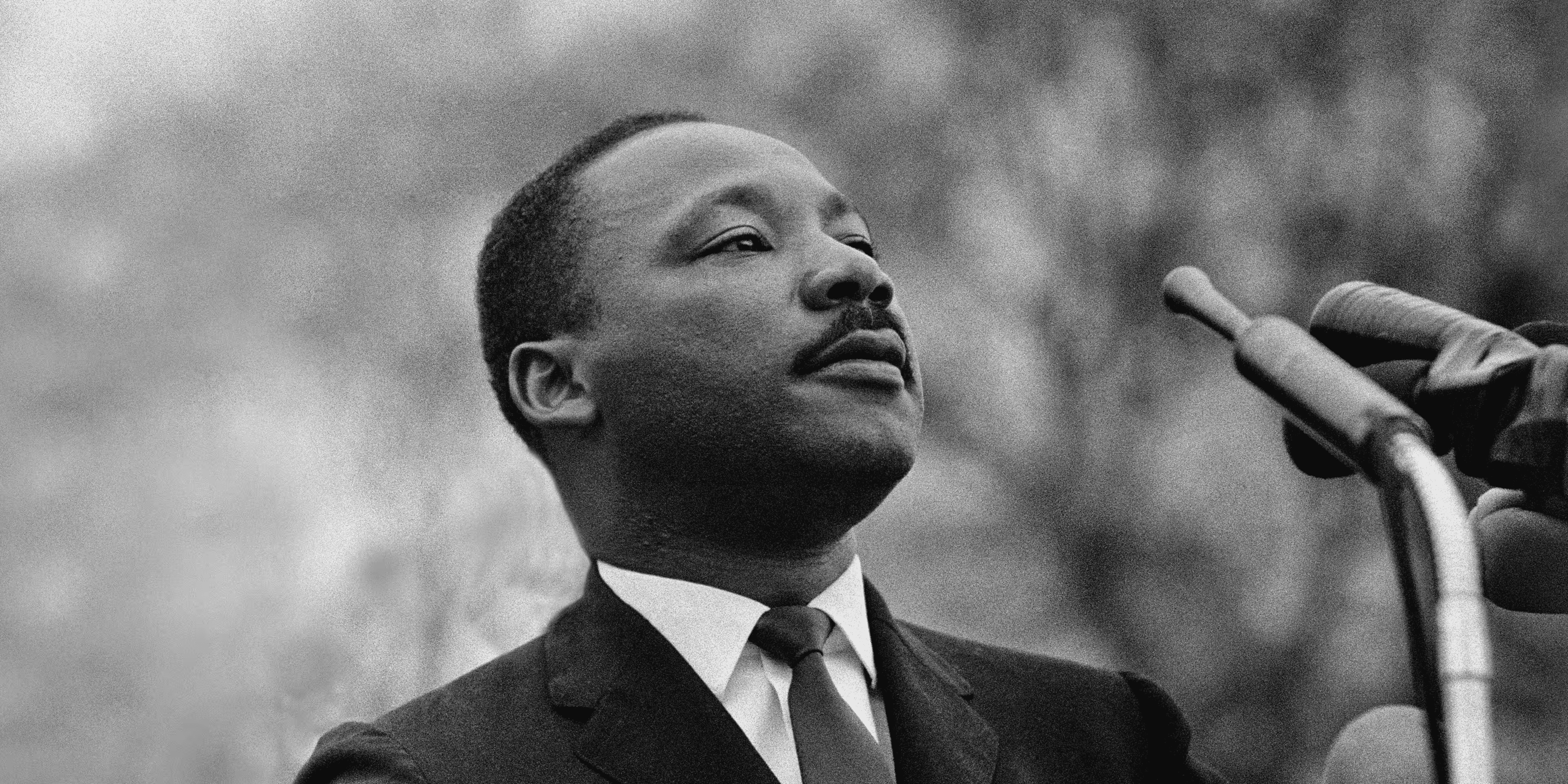
On this MLK Day, Let’s Remember His Dream
On this MLK Day, Let’s Remember His Dream
In these times, when the MLK federal holiday is under attack, and much of the progress toward Dr. Martin Luther King Jr.’s dream of a more equitable society feels threatened, this moment is a powerful call to reflection.
Some of us marched with Dr. King. Most of us shared his hope for America. Now, in this time of crisis, many of us question whether Dr. King’s dream will ever become a reality in the land we call home.
This is a time that calls for reflection and redirection. As we honor this great man and his legacy, we should take time to reflect on where Dr. King’s dream goes from here.
A Life of Unwavering Purpose
Born Michael King Jr. on January 15, 1929, in Atlanta, Georgia, and later changing his name to Martin Luther King Jr., Dr. King emerged as the most prominent leader of the U.S. civil rights movement from the mid-1950s until his assassination in 1968.
As a Baptist minister, he embraced the philosophy of nonviolent resistance — inspired by Mahatma Gandhi — and used it as the foundation of his campaign against racial segregation and injustice.
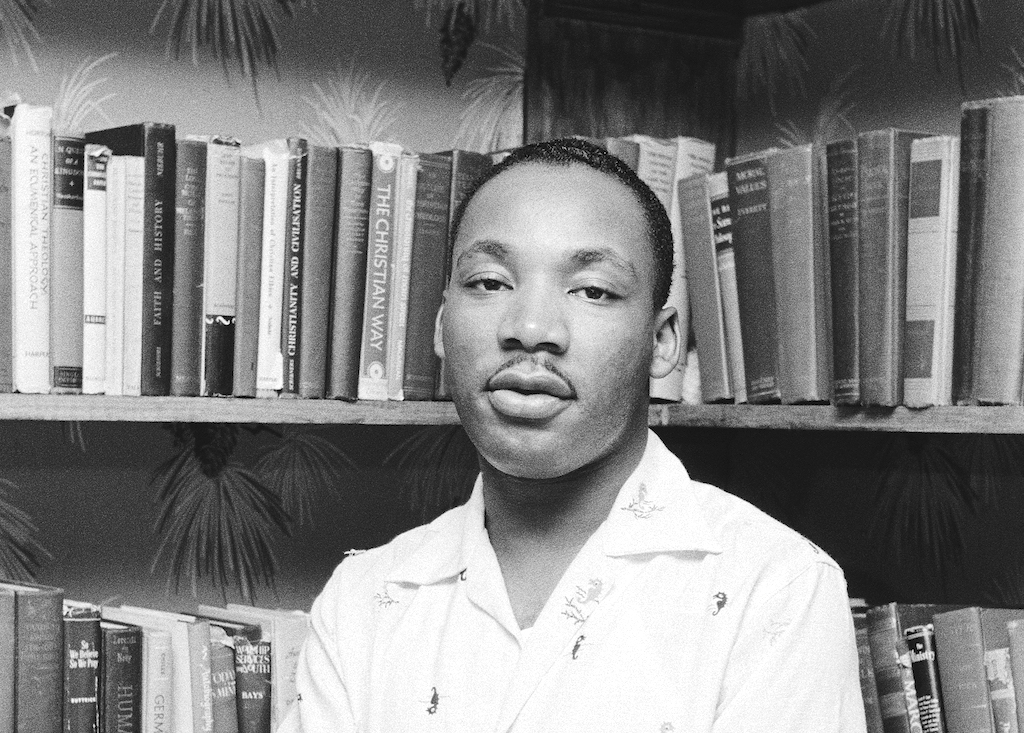
Figure 1: Dr. King embraced the philosophy of collective action to fight against racial segregation and injustice
Dr. King rose to prominence during the 1955–56 Montgomery Bus Boycott, which ended segregation on public buses in that city, following a 381-day protest culminating in a landmark Supreme Court ruling.
In 1957, he co-founded the Southern Christian Leadership Conference (SCLC) to coordinate and strengthen civil rights efforts across the American South.
His global stature was further cemented in 1963 when he addressed more than 250,000 people at the March on Washington, delivering the historic “I Have a Dream” speech, a defining moment in the struggle for racial and economic justice.
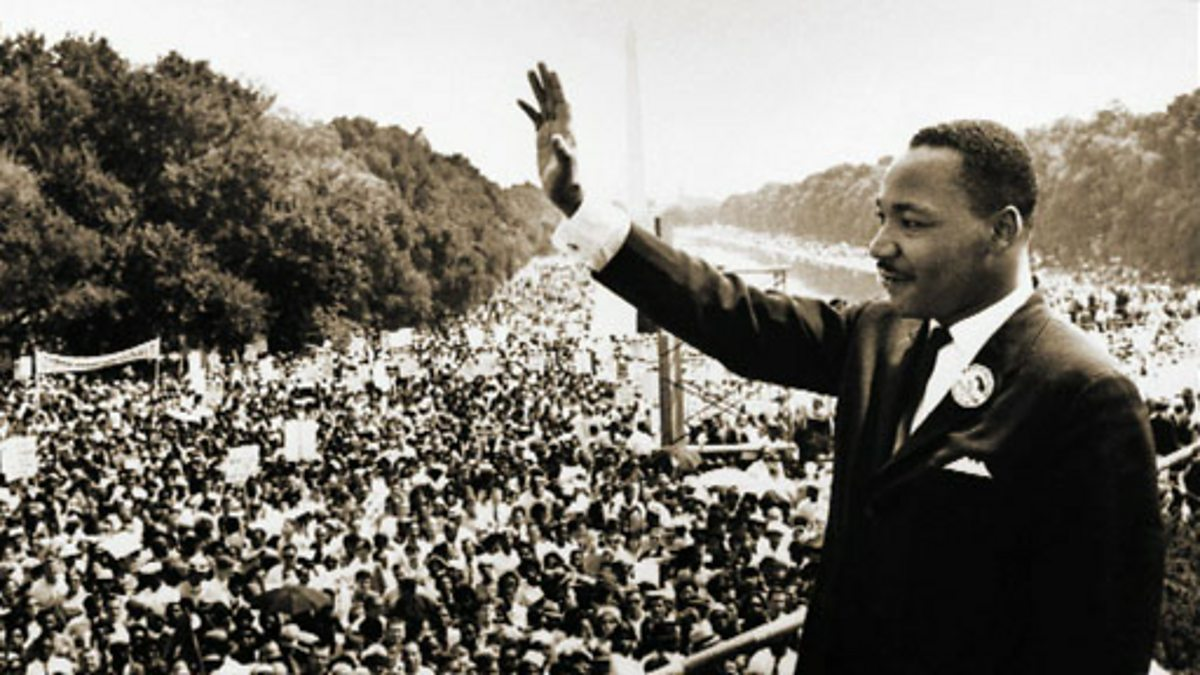
Figure 2: Dr. King’s ‘I have a dream’ speech at the March on Washington became a defining moment in the struggle for civil rights for Black people in the US
King’s moral leadership also played a pivotal role in securing the passage of the Civil Rights Act of 1964 and the Voting Rights Act of 1965, two landmark pieces of legislation that fundamentally reshaped American society.
In recognition of his unwavering commitment to nonviolence and justice, he was awarded the Nobel Peace Prize in 1964 at the age of just 35, underscoring the global significance of his work.
Figure 3: For his unwavering commitment to justice and nonviolence, Dr. King received the Nobel Peace Prize in 1964
Dr. King’s vision extended beyond legal reforms; he also challenged economic inequality and called for a “Poor People’s Campaign” to address systemic poverty. Though his life was cut short in 1968, the institutions, ideas, and moral courage he championed endure in movements for justice worldwide.
A Global Vision: King and Ghana
Dr. King’s struggle was not confined to the United States. He recognized that the fight for freedom and human dignity was part of a broader global movement — a belief reinforced by his connection to Ghana.
In March 1957, King traveled to Ghana at the invitation of then-President Kwame Nkrumah to attend the nation’s independence celebrations — a defining moment as the first sub-Saharan African nation to break colonial rule. This experience deeply moved him and symbolised, in his words, the broader struggle for justice: “Ghana tells us that the forces of the universe are on the side of justice…”
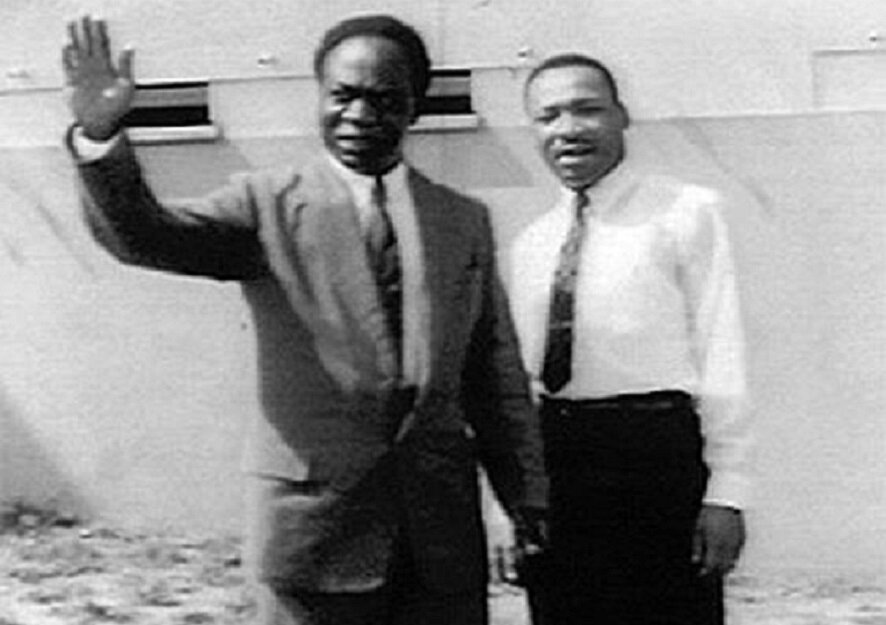
Figure 4: Dr. Martin Luther King Jr. in a pose with Dr. Kwame Nkrumah before the declaration of Ghana's independence on 6th March 1957
King saw in Ghana’s liberation a mirror of the challenges facing African Americans in the United States — a reminder that freedom and dignity must be demanded and defended, not passively received. His admiration for Ghana’s peaceful push for sovereignty reflected his conviction that struggles for justice are interconnected across borders.
A Legacy Worth Defending
As we commemorate Martin Luther King Jr. Day, let’s renew our commitment to his dream — not as a distant ideal, but as a living call to action. Dr. King taught us that injustice anywhere is a threat to justice everywhere, and that collective action is a powerful tool for change.
At African Connections, we draw inspiration from his vision — a world where freedom, dignity, and equality are not aspirations for some, but realities for all. Today, let us recommit ourselves to building bridges between continents, honoring the shared history that connects African Americans and Africans, and moving forward with hope and courage in our hearts.
Return to the Motherland with African Connections
Africa awaits you. Reconnect, rediscover, and be inspired.
For those planning their journey to Africa, African Connections stands out as the premier tour operator for African Americans seeking to explore the continent. With tailored experiences designed to deepen your understanding of Africa’s history and culture, we ensure a meaningful and unforgettable journey. Let us guide you as you reconnect with your roots and immerse yourself in the beauty and resilience of the motherland.
Book your tour now!