
Juneteenth: A Day to Celebrate Our Resilience and Reflect on Our African Heritage
Juneteenth is a time to reflect on our experience in America and is a poignant reminder of our resilience. However, as descendants of enslaved Africans, it is also a time to remember our African heritage.
While the Emancipation Proclamation officially went into effect on January 1, 1863, it did not end slavery. In the Confederacy, particularly in the westernmost state of Texas, the brutal realities of slavery persisted as plantation owners deliberately withheld the news. It wasn't until Union General Gordon Granger arrived in Galveston, Texas, on June 19, 1865 – a full two and a half years after the Emancipation Proclamation – that the official announcement of freedom finally reached those still held captive.
The immediate aftermath saw an outpouring of emotion and a fervent desire to shape this newfound freedom. Formerly enslaved people didn't just sit idly by. They tested their boundaries, sought out family members torn apart by the auction block, and began to build communities and institutions that reflected their aspirations.
Juneteenth quickly became a day of profound significance, a time for families to gather, pray, share stories, and celebrate the simple yet revolutionary act of being free.
Early Juneteenth celebrations were deeply rooted in the African American experience. They often involved prayer meetings, musical performances, storytelling, and the sharing of food—a powerful symbol of community and sustenance. As African Americans migrated from Texas to other parts of the country, they carried the spirit and traditions of Juneteenth, planting seeds of remembrance and celebration in new soil.
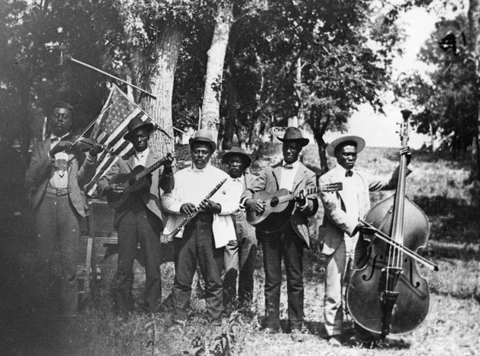
Figure 1: Early Juneteenth Celebrations
However, the journey to widespread recognition wasn't a smooth one. For decades, while deeply cherished within African American communities, Juneteenth remained largely unknown to the broader American consciousness. The echoes of systemic racism and the deliberate erasure of Black history often overshadowed this pivotal moment.
Yet, the spirit of Juneteenth persisted. It evolved, adapting to changing times while retaining its core message of liberation and remembrance. It became a time for reflection on the ongoing struggle for equality, a moment to honor ancestors, and a vibrant expression of Black culture and joy.
The recent surge in national and even global recognition of Juneteenth is a testament to the tireless efforts of activists, educators, and community leaders who kept its flame burning bright. The designation of Juneteenth as a federal holiday in the US in 2021 was a significant milestone, acknowledging the importance of this day in American history.

Figure 2: Juneteenth has become an essential occasion for African Americans to celebrate their resilience in the face of systemic racism and discrimination
Today, Juneteenth is celebrated in diverse ways across the nation. Parades are filled with music and vibrant energy, educational events that delve into the history and ongoing significance of emancipation, community gatherings that foster unity, and moments of quiet reflection on the journey towards true liberation.
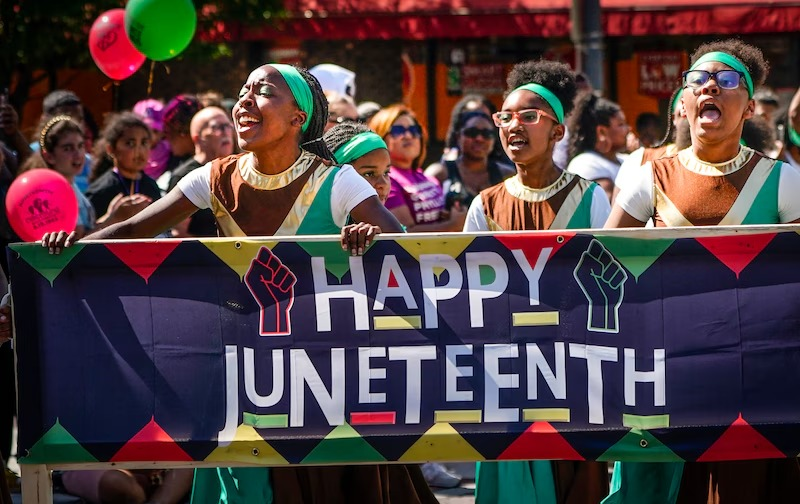
Figure 3: Celebratory parades have become a significant part of Juneteenth celebrations across America
More than just a day off, Juneteenth offers an opportunity for all Americans to engage with a crucial chapter in our nation's story. It’s a chance to acknowledge the horrors of slavery, celebrate the resilience and contributions of our ancestors, and recommit to the ongoing pursuit of justice and equality in America.
Juneteenth reminds us that even in the face of unimaginable adversity, the human spirit can endure, and the pursuit of liberation, though long and arduous, is a necessary part of our journey.
While many countries outside the United States have yet to fully recognize the importance of Juneteenth, Ghana, which has long been a mecca for African American reconnection, is gradually changing the narrative.
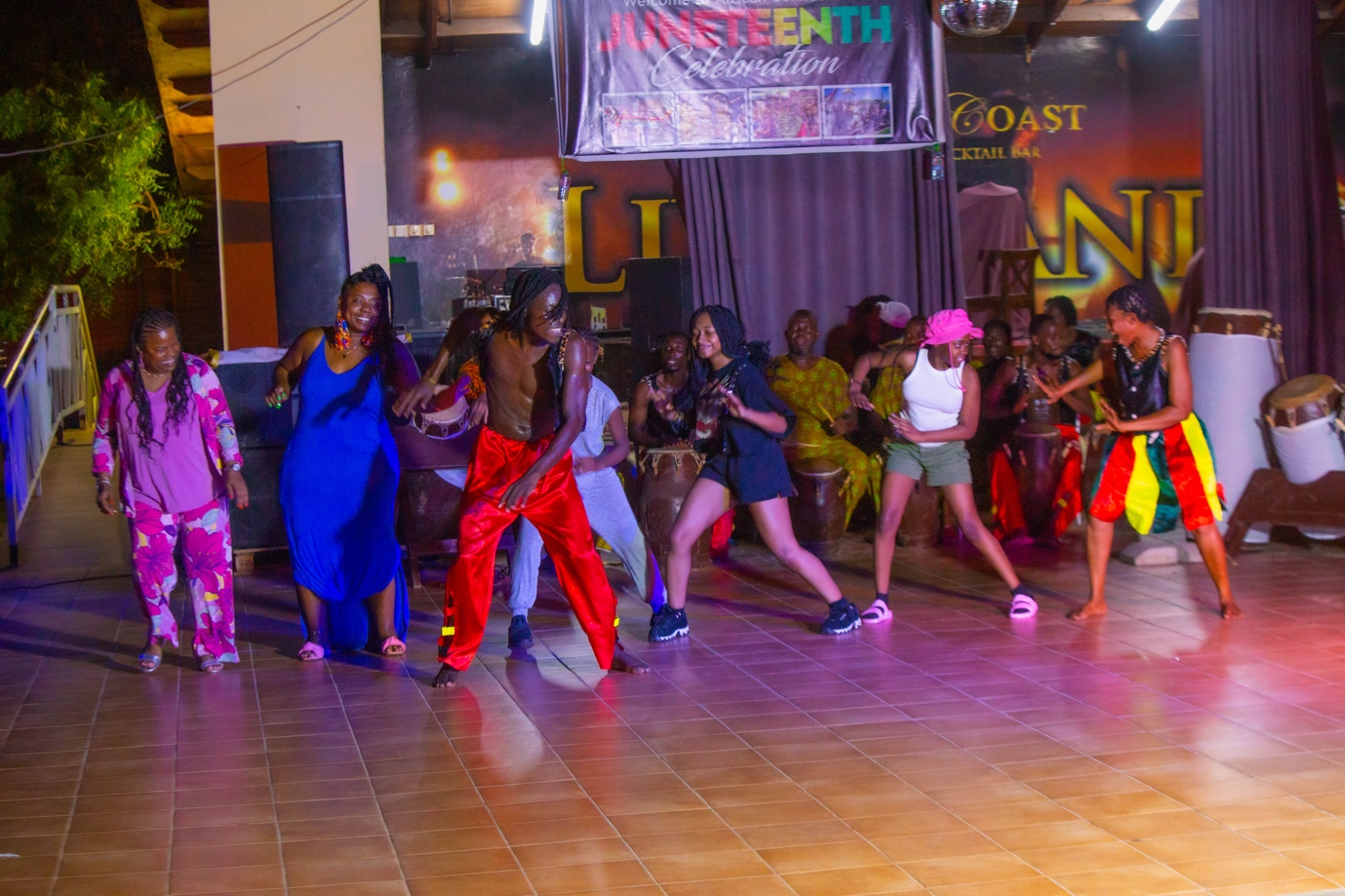
Figure 4: African American tourists dancing at a Juneteenth Party in Ghana
In a nascent but growing trend, Ghana is beginning to embrace the spirit of Juneteenth, with celebrations steadily gaining traction. This budding observance is spearheaded by African Americans living in Ghana, actively working to introduce and share Juneteenth's historical and cultural significance with their neighbors and the wider public.

Figure 5: African Americans learning Ghanaian dance steps at a Juneteenth Party in Ghana
African Connections Invites You to Celebrate Juneteenth in Ghana in 2026
For over two decades, we have offered “Return to the Motherland” tours to African Americans seeking to reconnect with their ancestral roots.
Juneteenth marks the end of one chapter of our history, but African American history doesn’t begin with slavery. Our history begins in Africa.
Our tours seek to highlight our connections with the Motherland. Join our Juneteenth Tour in 2026, explore the full circle of our history, and experience a Juneteenth celebration you will never forget!
Book your journey with us today!