Honoring Ancestors: African Diasporans Spiritual Pilgrimage to Africa through Rituals and Ceremonies
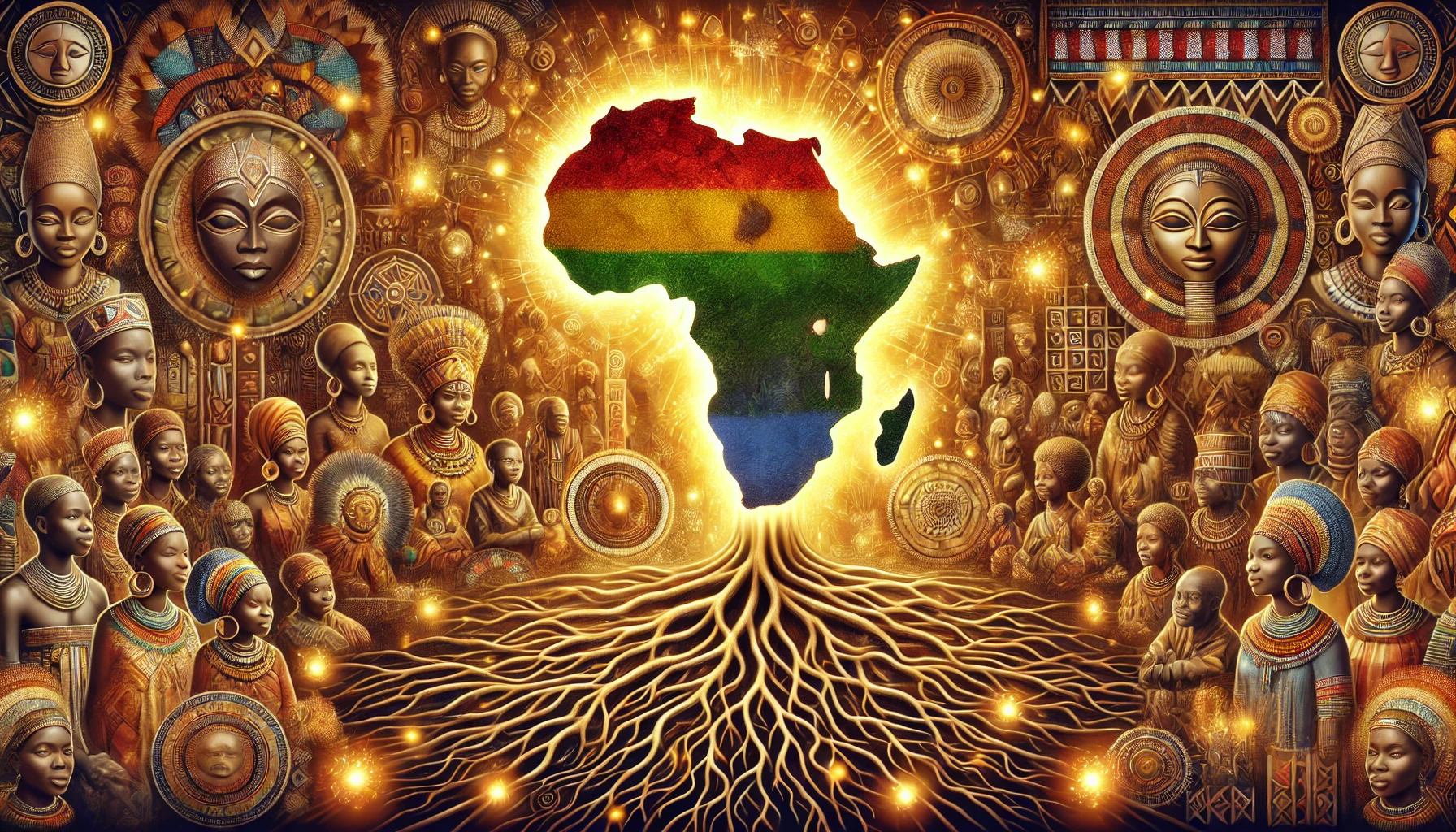
For African Americans and other Diasporans, the journey to Africa is more than just a trip; it’s a sacred pilgrimage to the very heart of our ancestral heritage.
As descendants of those forced into slavery, many of us feel a deep pull toward the lands where our ancestors once thrived. Ghana, with its rich history, vibrant
culture, and deeply meaningful spiritual traditions, offers a unique experience of reconnection and renewal. Among these traditions, the rituals of pouring libation,
the naming ceremony, and the bath at the Assin Manso “Slave River” serve as powerful steps in reclaiming our identity and honoring our ancestors’ resilience.
Libation: Honoring the Ancestors
The journey often begins with the ceremony of libation—a deeply significant ritual in African spirituality. Libation involves pouring water, alcohol, or other
offerings onto the earth to invoke and honor the spirits of the ancestors. This act holds profound meaning for African Americans, as it allows us to express
reverence for those who endured unimaginable suffering and sacrifice. Libation acknowledges that our lives today are built upon the strength, resilience, and
spirit of our ancestors.
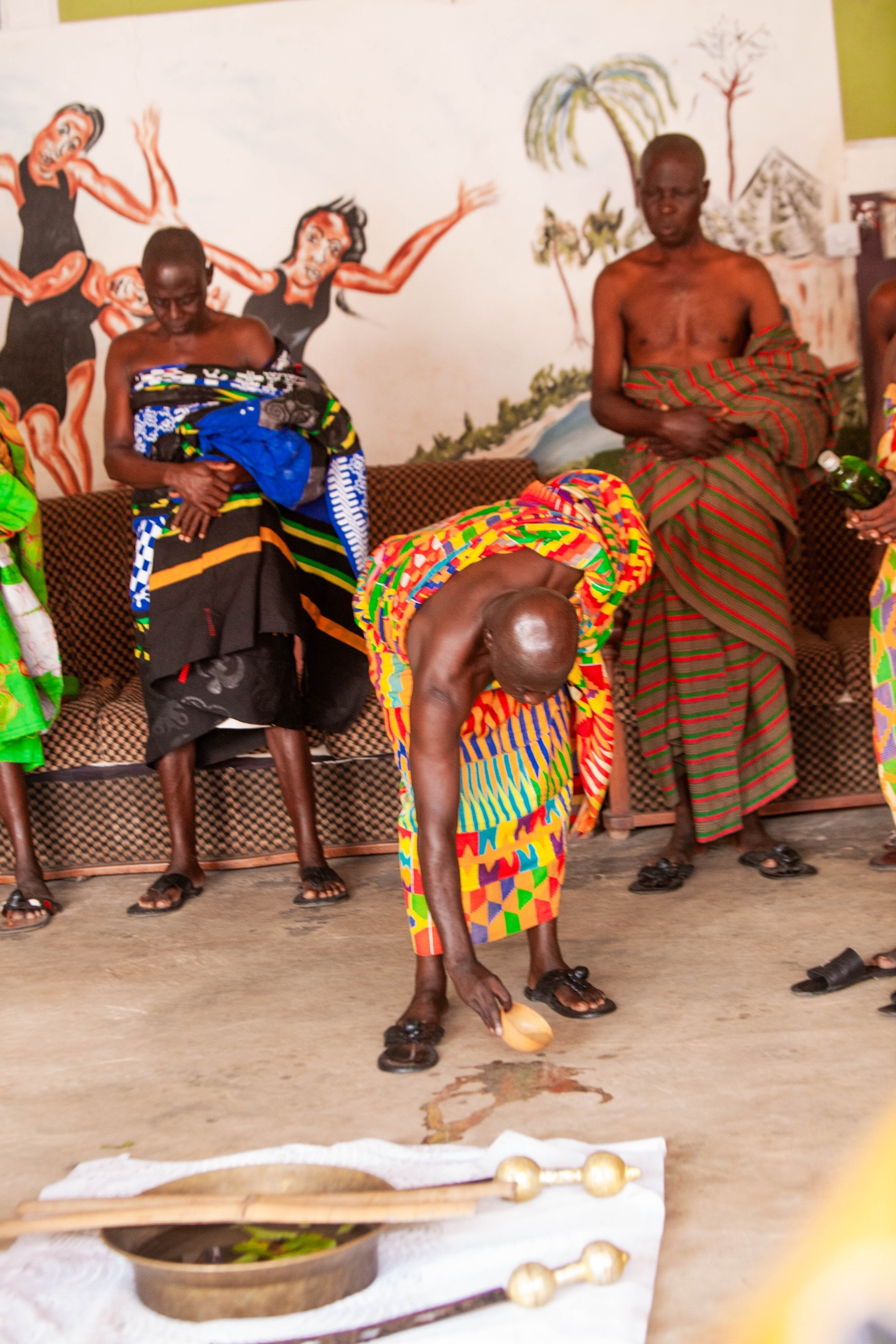
Figure 1: Pouring of libations is a time-honored tradition that done to acknowledge African ancestors
For African Americans, this ritual of calling upon our ancestors bridges the gap between past and present, creating a moment of connection with those who walked
before us. Libation serves as a reminder that even though our forebears may have been taken from their land, their spirit endures, and their presence guides and
protects us. This ritual of honoring is both humbling and empowering, grounding us in the knowledge that we are not alone in our journey back to Africa. Libation
speaks to the soul, affirming our place within a lineage that transcends both time and space.
Naming Ceremony: Reclaiming Identity
A highlight of the spiritual journey is often the traditional Ghanaian naming ceremony—a rite of passage in African culture that celebrates and confirms one’s
identity. For African Americans, the naming ceremony is an opportunity to reclaim a piece of heritage that was stripped away during enslavement. Many of us were
given names far removed from African culture, and this ritual offers a moment to embrace names that resonate with our origins, identity, and spirit.
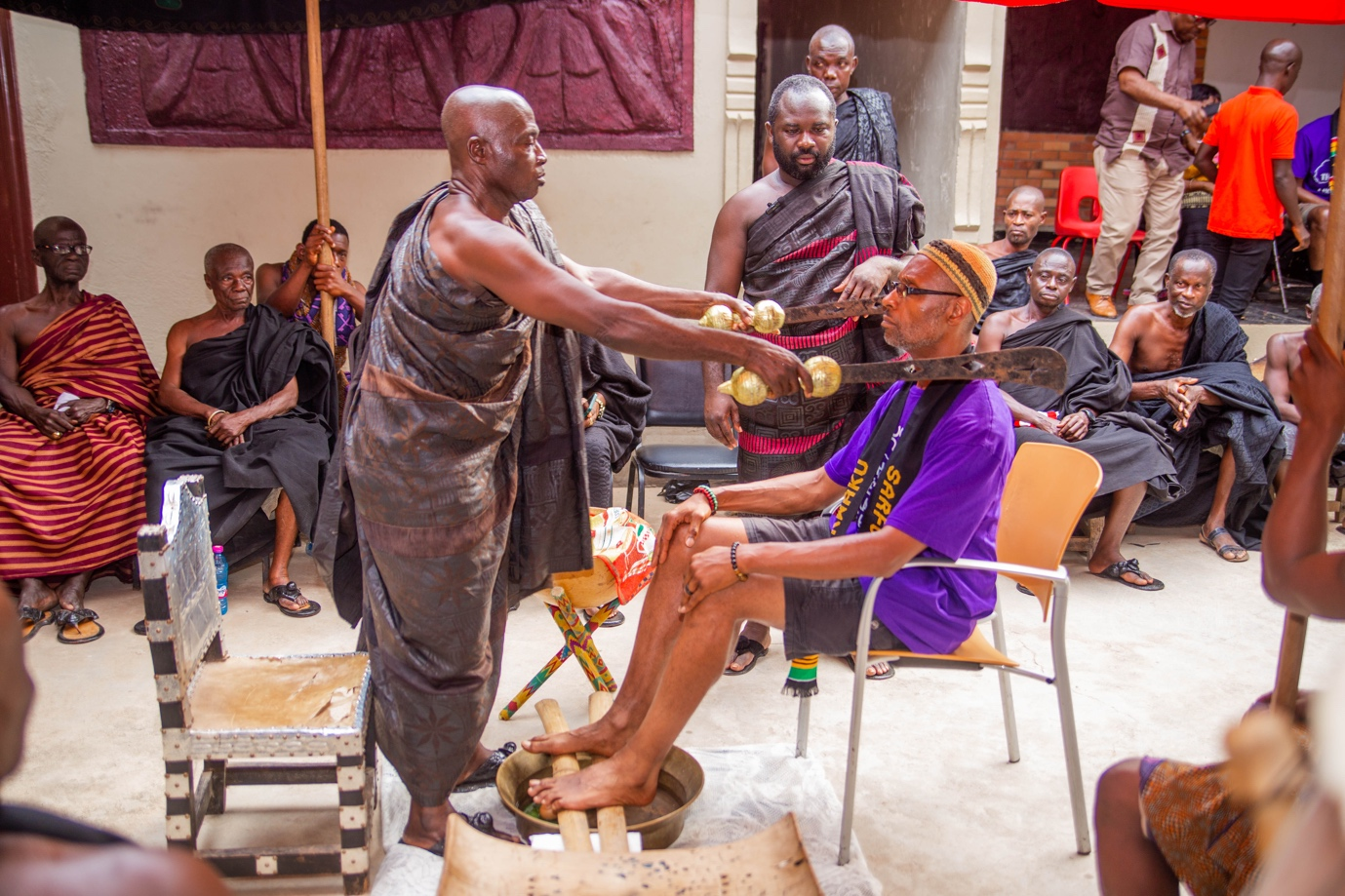
Figure 2: African Americans returning to the Motherland to reconnect to their ancestry
Led by respected elders, spiritual leaders, or chiefs, the ceremony includes ritualistic acts that symbolize cleansing, rebirth, and welcome. Typically, participants are given an Akan name based on the day of the week they were born, linking them to a long-standing cultural practice in Ghana. This name,
pronounced three times by the elder, becomes a sacred marker of their re-entry into the African family. Participants might sip water or palm wine from a
calabash and have their hands anointed, symbolizing honesty, morality, and truthfulness as they step forward into this renewed identity.
During this process, many African Americans feel a deep sense of belonging and connection to their heritage. The name granted in the ceremony becomes more than just an identifier—it’s a reclamation of identity, a way to assert our place within a history that stretches back centuries. In accepting these names, we honor our ancestors and embrace a lineage that is full of pride, resilience, and cultural richness.
Assin Manso “Slave River:” The Bath of Return
The journey is incomplete without visiting the Assin Manso Slave River, a site with profound historical significance. Known as the place where captured Africans took their “last bath” before being marched to coastal forts and shipped across the Atlantic, Assin Manso serves as both a sacred site and a place of collective remembrance. Here, African Americans gather to honor their ancestors and to participate in the “First Bath of Return”—a deeply symbolic ritual that offers healing, cleansing, and spiritual renewal.
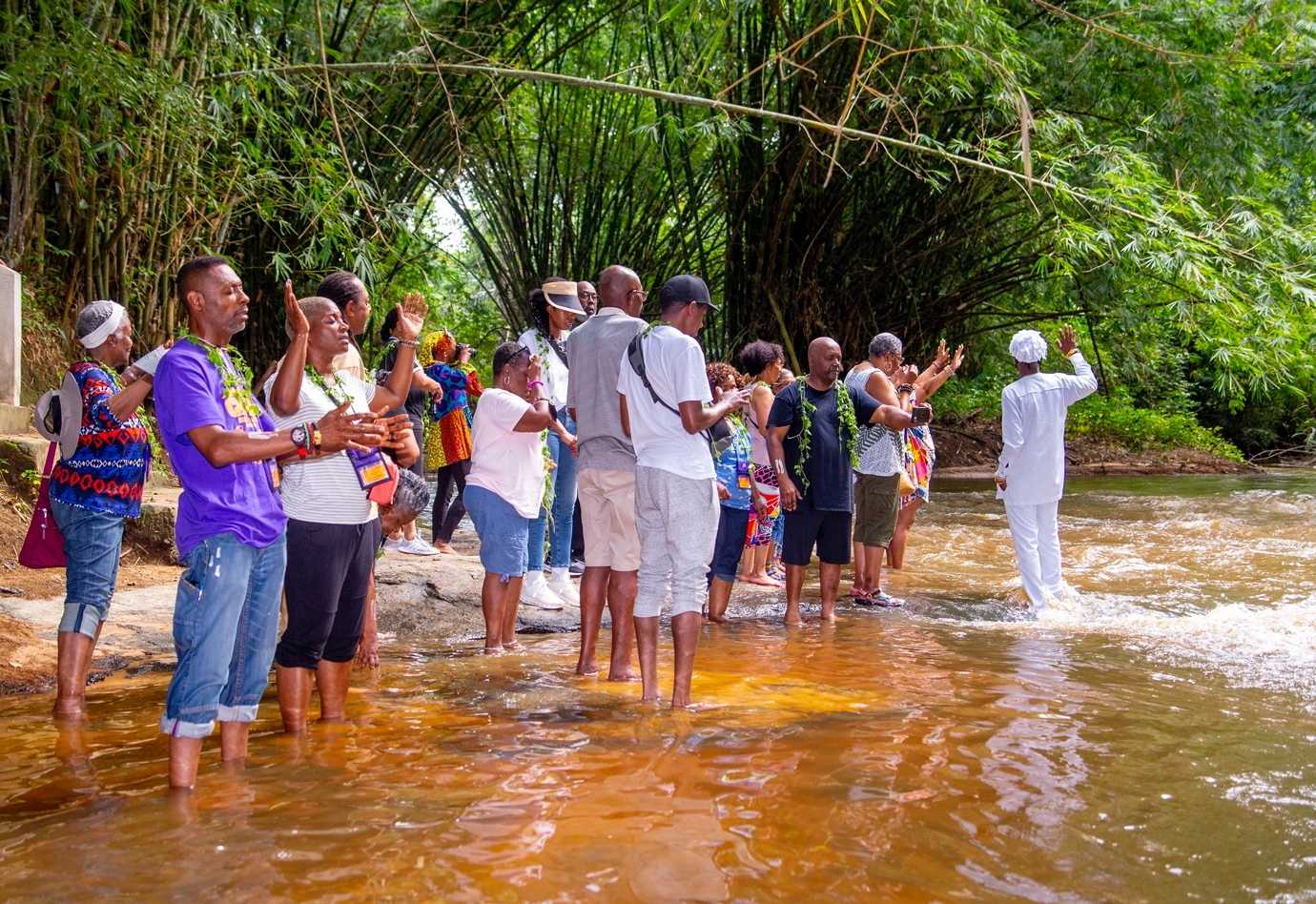
Figure 3: The Assin Manso Slave River was where enslaved African took their final bath before being branded and sold
The First Bath of Return is structured in three meaningful stages, each representing an aspect of release, vision, and blessing:
1. Releasing the Burdens: Participants start by washing their hands and feet, a symbolic act to shed the emotional, spiritual, and generational burdens they carry. This stage invites them to let go of pain, anger, and sorrow—a release of the weight inherited through centuries of oppression and loss. Standing in the same waters where their ancestors once bathed, participants feel a powerful release and connection to those who endured so much.
2. Manifesting Vision and Adherence: Next, participants wash their eyes and ears, symbolizing a cleansing of negative influences and a renewal of clarity and positive vision. This stage serves as a reminder of our ancestors’ endurance, encouraging participants to see their path with clarity and purpose, free from past wounds. It represents a commitment to live by higher values and to listen to the voices of those who came before them.
3. Blessing the Words of the Mouth: In the final stage, participants cleanse their lips, a blessing for truth and kindness in speech and thought. This act reinforces the power of words and their ability to shape one’s path forward. Speaking truthfully and with purpose becomes a way of honoring both the ancestors and oneself, setting a positive intention for the journey ahead.
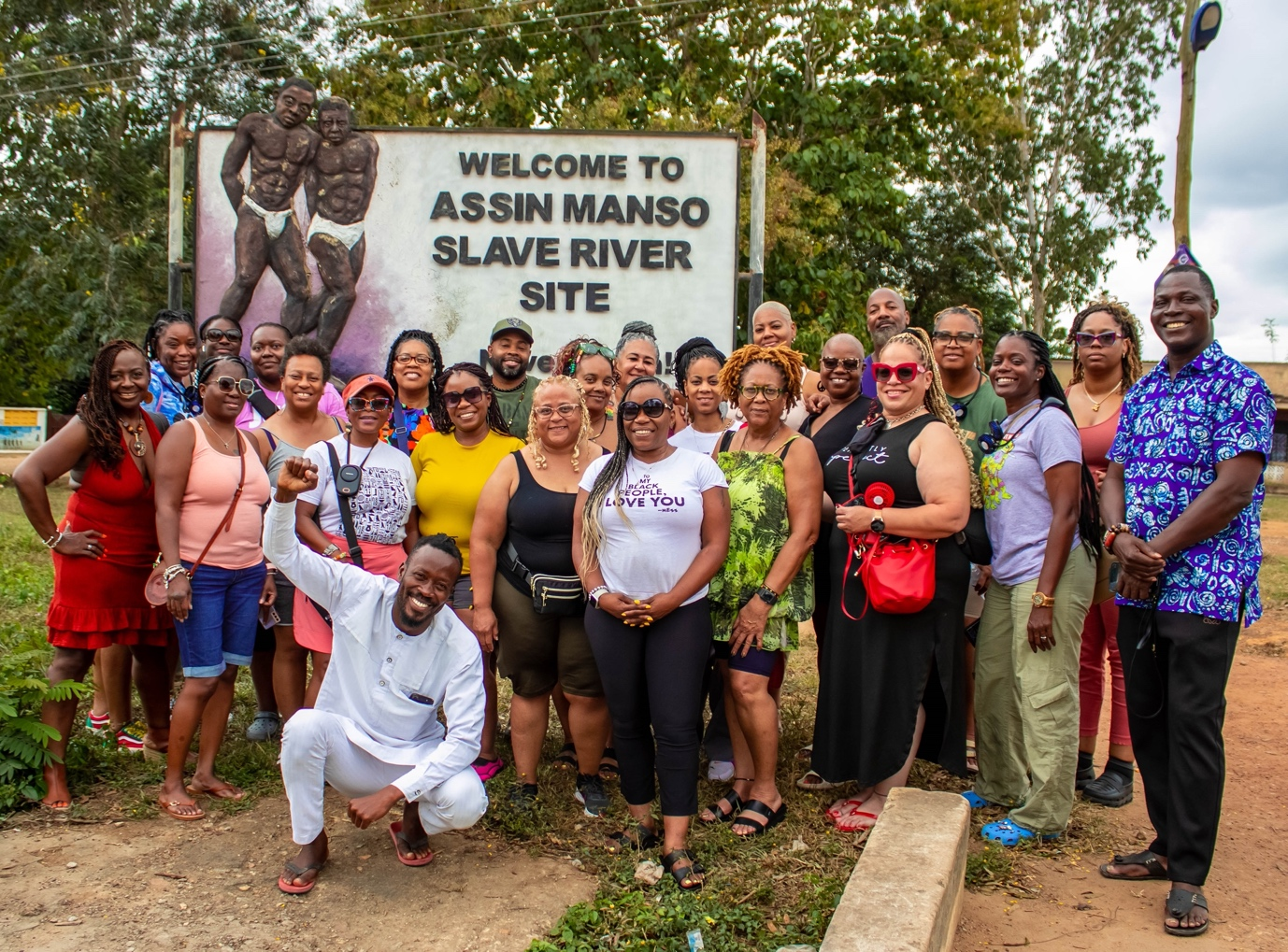
Figure 4: The Assin Manso Slave River Site continues to be a popular attraction for returning African Americans to Ghana
The bath at Assin Manso is more than a symbolic act—it is a deeply transformative experience that invites African Americans to let go of past hurts, to embrace their heritage, and to step forward with renewed purpose. In these waters, there is healing, renewal, and reconnection. The ritual bath fosters a sense of rebirth, affirming that, despite the hardships endured, our lineage is unbroken and our ancestors remain with us, guiding us forward.
For those seeking to experience these transformative rituals and reconnect with their roots, Ghana offers a path to healing, identity, and belonging. The journey back to Africa provides a space to honor our ancestors, to claim a name that reflects our heritage, and to cleanse ourselves in the same waters where our ancestors bathed. Each of these rituals—libation, naming, and the bath—transcends symbolism, allowing us to actively reclaim our place within the African family.
Explore the Motherland with African Connections
Let African Connections be your trusted companion on a life-changing return to the Motherland. For over 20 years, we’ve guided African Americans and diasporans through Ghana and across Africa, creating powerful and authentic cultural experiences. With a deep understanding of heritage travel and spiritual reconnection, we’re here to help you rediscover your roots in a way that’s personal, meaningful, and unforgettable. Start your journey with us today!