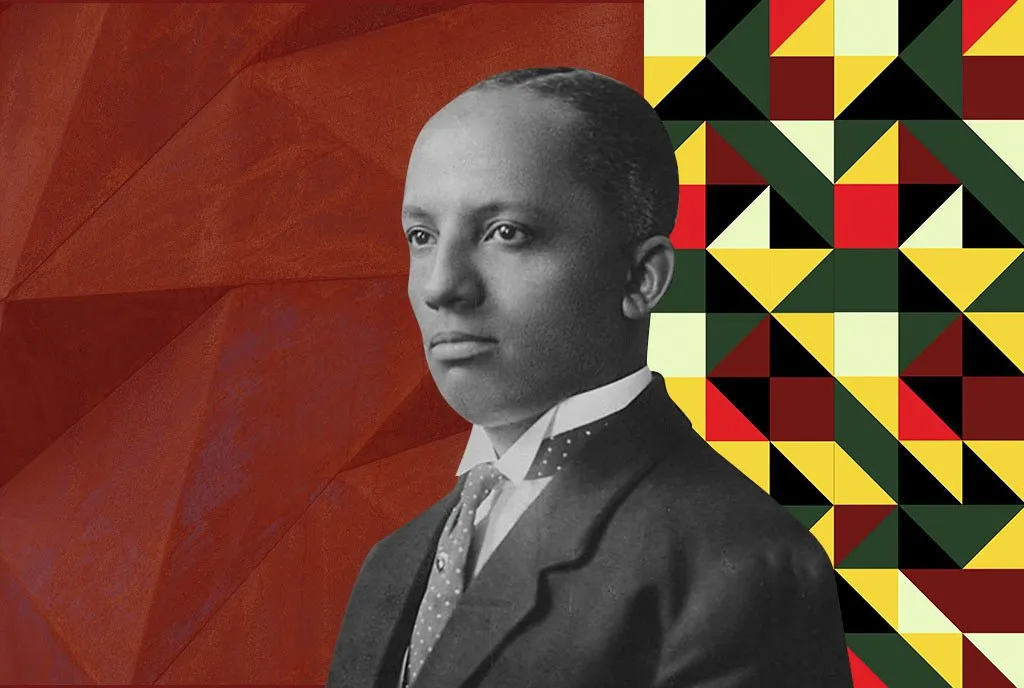
Honoring Carter G. Woodson: The Father of Black History Month
As African Americans commemorate Black History Month this February, the life and legacy of Carter Godwin Woodson take center stage. Woodson, an American historian, author, journalist, and visionary, is celebrated as the founder of Black History Month and a pioneer in bringing the contributions of African Americans into historical discourse. His work not only shaped the way African American history is studied but also challenged the racial prejudice embedded in the broader narrative of American history.
Early Life and Education
Born on December 19, 1875, in New Canton, Virginia, Carter G. Woodson was the son of former slaves. His childhood was marked by hardship and resilience. While working in the coal mines of West Virginia, he was forced to delay formal schooling, but he never gave up on his education. Woodson later graduated from Berea College in Kentucky and became a teacher and school administrator. His pursuit of knowledge led him to earn graduate degrees from the University of Chicago, and in 1912, he became the second African American to earn a PhD from Harvard University, following W. E. B. Du Bois.
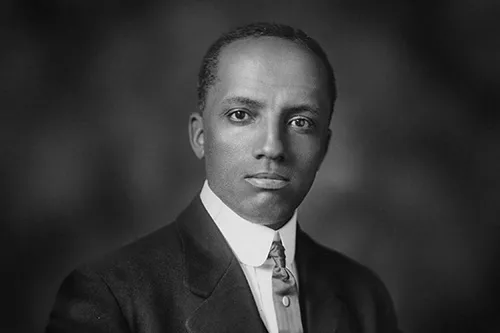
Figure 1: Woodson was the second African American to earn a PhD from Harvard University in 1912
Notably, Woodson is the only person whose parents were enslaved in the United States to achieve such a distinction. Throughout his academic journey, he was determined to document the rich history of African Americans, which had been largely ignored or misrepresented.
In 1915, Woodson established the Association for the Study of Negro Life and History, now known as the Association for the Study of African American Life and History (ASALH). Through this organization, he aimed to promote the study and appreciation of Black history and culture. A year later, he founded “The Journal of Negro History,” a scholarly publication dedicated to African American history, which remains a vital resource today.
Woodson's mission was rooted in his belief that understanding history was key to combating racial prejudice. He wrote: "Race prejudice is merely the logical result of tradition, the inevitable outcome of thorough instruction to the effect that the Negro has never contributed anything to the progress of mankind."
The Birth of Negro History Week
In February 1926, Woodson launched "Negro History Week," a precursor to Black History Month. The second week of February was chosen to coincide with the birthdays of Abraham Lincoln, the U.S. president who issued the Emancipation Proclamation, and Frederick Douglass, the renowned abolitionist and orator. Woodson envisioned this week as a time to emphasize the integral role of African Americans in history, stating, "We should emphasize not Negro History, but the Negro in History."
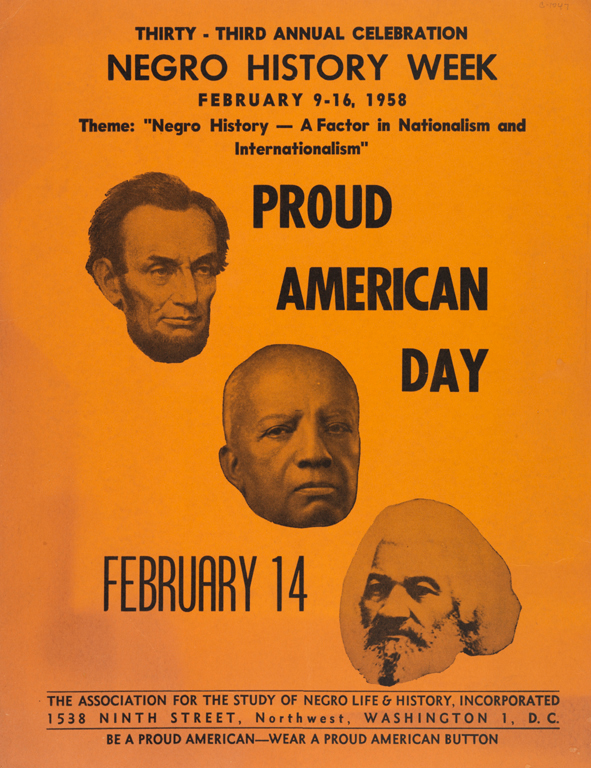
Figure 2: The Negro History Week introduced by Woodson was the precursor to what is now Black History Month
It did not take long for the celebration to gain widespread popularity, with parades, lectures, poetry readings, and exhibitions becoming common ways to honor the occasion. Woodson’s initiative inspired pride in African American heritage and fostered a greater understanding of our contributions to society.
Expanding to Black History Month
The idea of Negro History Week evolved over time. In 1970, Black educators and students at Kent State University expanded the celebration to encompass the entire month of February. By 1976, the U.S. government officially recognized February as Black History Month under President Gerald Ford, urging Americans to "seize the opportunity to honor the too-often neglected accomplishments of Black Americans in every area of endeavor throughout our history."
Today, Black History Month is observed in the United States, Canada, the United Kingdom, and other countries. It serves as a testament to Woodson’s enduring legacy and the importance of recognizing African Americans' contributions.
A Legacy of Scholarship and Activism
Throughout his life, Woodson dedicated himself to historical research and activism. He authored numerous books, including ‘The Mis-Education of the Negro’ (1933), a seminal work that critiqued the educational system for perpetuating racial inequality and suppressing African American achievements. He also accumulated thousands of artifacts and publications to preserve African American history for future generations.
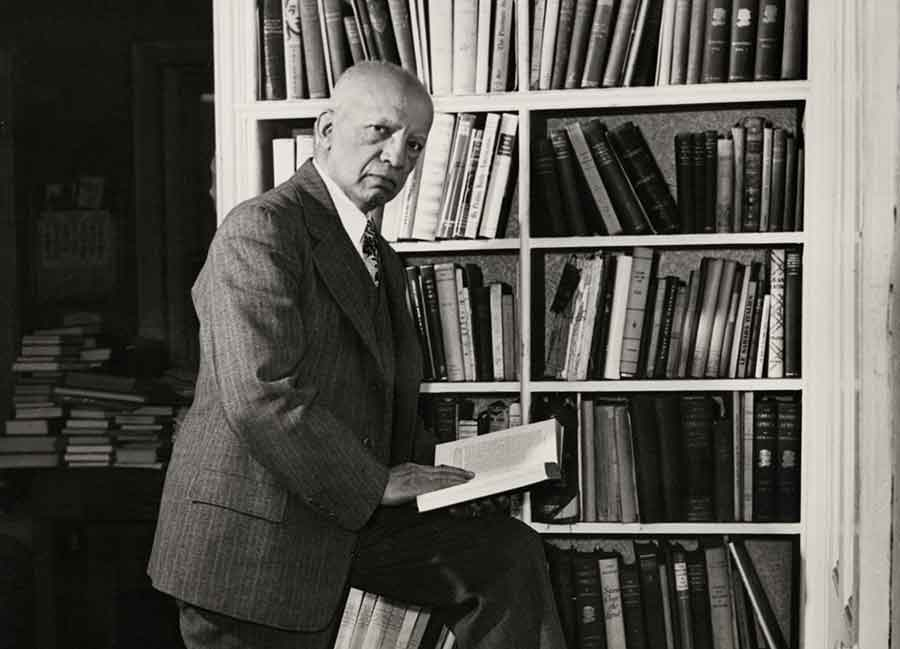
Figure 3: As an academic, Woodson’s scholarship helped to shed light on education systems that marginalized African Americans
Woodson’s impact extended beyond academia. He was an advocate for racial justice and a prominent figure during the Harlem Renaissance, a period of flourishing Black self-expression. In a time when African American contributions were often ignored, Woodson’s efforts ensured that the "lost history" of Black Americans was rediscovered and celebrated.
Honoring Carter G. Woodson Today
As African Americans reflect on their history this Black History Month, the contributions of Carter G. Woodson resonate deeply. His vision of placing African Americans at the center of the historical narrative transformed how history is taught and understood. He paved the way for future generations to recognize the vital role of African Americans in shaping U.S. history—from slavery and its abolition to cultural, scientific, political, and military achievements.
Woodson’s legacy reminds us that history is not just a record of the past but a tool for empowerment and change. By acknowledging the accomplishments of African Americans, we celebrate the richness of diversity and the enduring fight for equality.
This Black History Month, when we are witnessing the “whitewashing” of history, and many are trying to remove us again from America’s history, let us honor Carter G. Woodson, the "Father of Black History," and continue his mission to ensure that the stories of African Americans are told, remembered, and celebrated.
Black History Begins in Africa: Explore the Motherland with African Connections
Let us also begin this Black History Month by acknowledging that Black History begins in Africa. Anyone interested in exploring our history and understanding our cultural links to the Motherland should plan to experience Africa for themselves.
For over 20 years, African Connections has been the trusted guide for African Americans seeking meaningful journeys across Africa. Specializing in heritage travel to Ghana, Senegal, Ethiopia, Egypt, South Africa, Kenya, Tanzania, Zanzibar, Morocco, and more.
We design immersive experiences that reconnect travelers with Africa’s history, cultures, and ancestral roots. From exploring Pan-African legacies to discovering vibrant traditions, every journey with African Connections is purposeful, personal, and unforgettable.
Book your seat today and let us help you explore the Motherland!