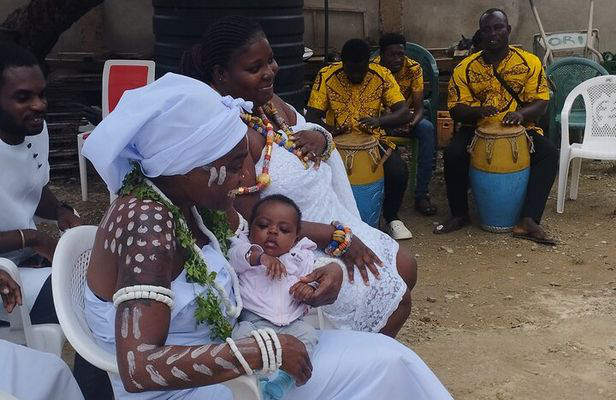
Choosing a Name, Reclaiming Identity: Why Naming Ceremonies Matter to African Americans
Names carry history. For African Americans, the story behind a name often traces a painful break — the theft of identity that accompanied chattel
slavery — and, for many, a long, ongoing work of recovery. Understanding the historical context and the living traditions in West Africa helps explain
why participating in a Ghanaian naming ceremony can be a powerful act of remembrance, reconnection, and renewal.
A Painful history: Names after emancipation
Before the Civil War, U.S. censuses did not document enslaved people by name. In the 1850 and 1860 censuses, for instance, there were slave schedules that
listed enslaved individuals only as statistics — by age, sex, race, and number—but not by name. Their personal identities were subsumed under their
enslaver’s household. Most lived their entire lives with only First names. Few had surnames.
When slavery ended in the United States, formerly enslaved people emerged into a legal world that, for the first time in generations, expected them to have and to record full names.
The 1870 U.S. census — the first decennial census taken after the Civil War — was the first national count to provide detailed information on the newly freed Black population, and it revealed
both the presence and absence of formerly enslaved families in the records.
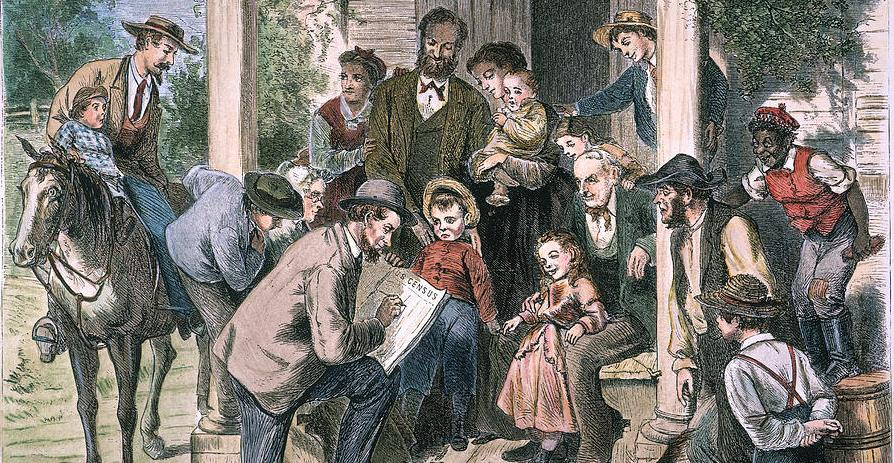
Figure 1: Depiction of the 1860 Census taking where Blacks were added as statistics and addenda to white families.
For many enslaved people, there had been no family surname that could be legally or reliably recorded. After emancipation, people made different choices: some kept names used in practice on plantations,
others adopted their former owner’s surname, and some chose new names entirely — including names like Freeman or names drawn from admired Black leaders. These choices were acts of survival and of
self-definition: practical, personal, and sometimes political.
Why names matter
A name is more than a label. It anchors family memory, signals lineage, and connects a person to a language of values, ancestry, and place. For communities whose family histories were deliberately
obscured or erased, the act of naming — and of learning the history behind a name — becomes part of restoring what was lost. Choosing or reclaiming a name can be a way to honor ancestors, to declare
a new path, or to reassert roots that were forced underground.
For many African Americans, a trip to Ghana to participate in a traditional African naming ceremony can be deeply meaningful. It can transform an abstract genealogy into a living, ceremonial continuity.
The Naming Ceremony in Ghana
The Ghana outdooring ceremony is a traditional infant naming ceremony and is one of the most essential life-cycle rites, especially among the Akan and Ga communities. It traditionally happens around the
seventh or eighth day after birth, when the child is formally introduced to the community and given a (sometimes multiple) name(s).
Ritual elements vary by ethnic group but commonly include libations to ancestors, the announcement of the child’s “day name” (Akan day-of-week names such as Kwame or Ama), blessings from elders,
and the presentation of symbolic objects that express hopes for the child’s life. The ceremony affirms the child’s place within family, lineage, and community.
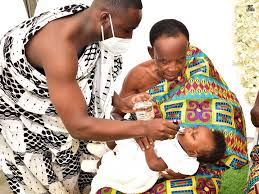
Figure 2: In Ghana, naming is not merely a formality but a sacred affirmation of identity, belonging, and purpose
Beyond newborns, communities and diasporans sometimes hold renaming or commemorative naming ceremonies for adults — especially returning descendants who wish to be publicly welcomed into an extended family
or community, or to receive an African name as part of a cultural reconnection. Tourism and heritage programs in Ghana have, in recent years, made space for diaspora visitors to witness or respectfully
participate in naming rituals as part of broader rites of welcome and cultural exchange.
Naming ceremonies as acts of reconnection and healing
For African Americans, participating in a Ghanaian naming ceremony can be both symbolic and tangible: symbolic because it restores a relationship to African naming logics and ancestral recognition; tangible
because the ritual itself — spoken blessings, libations, the exchange of names — creates a documented, witnessed moment of belonging. It isn’t about erasing existing family names but about adding another
layer of meaning and recognition to one’s identity. Many participants describe the experience as profoundly emotional: a sense of being seen, named, and welcomed by elders and community.
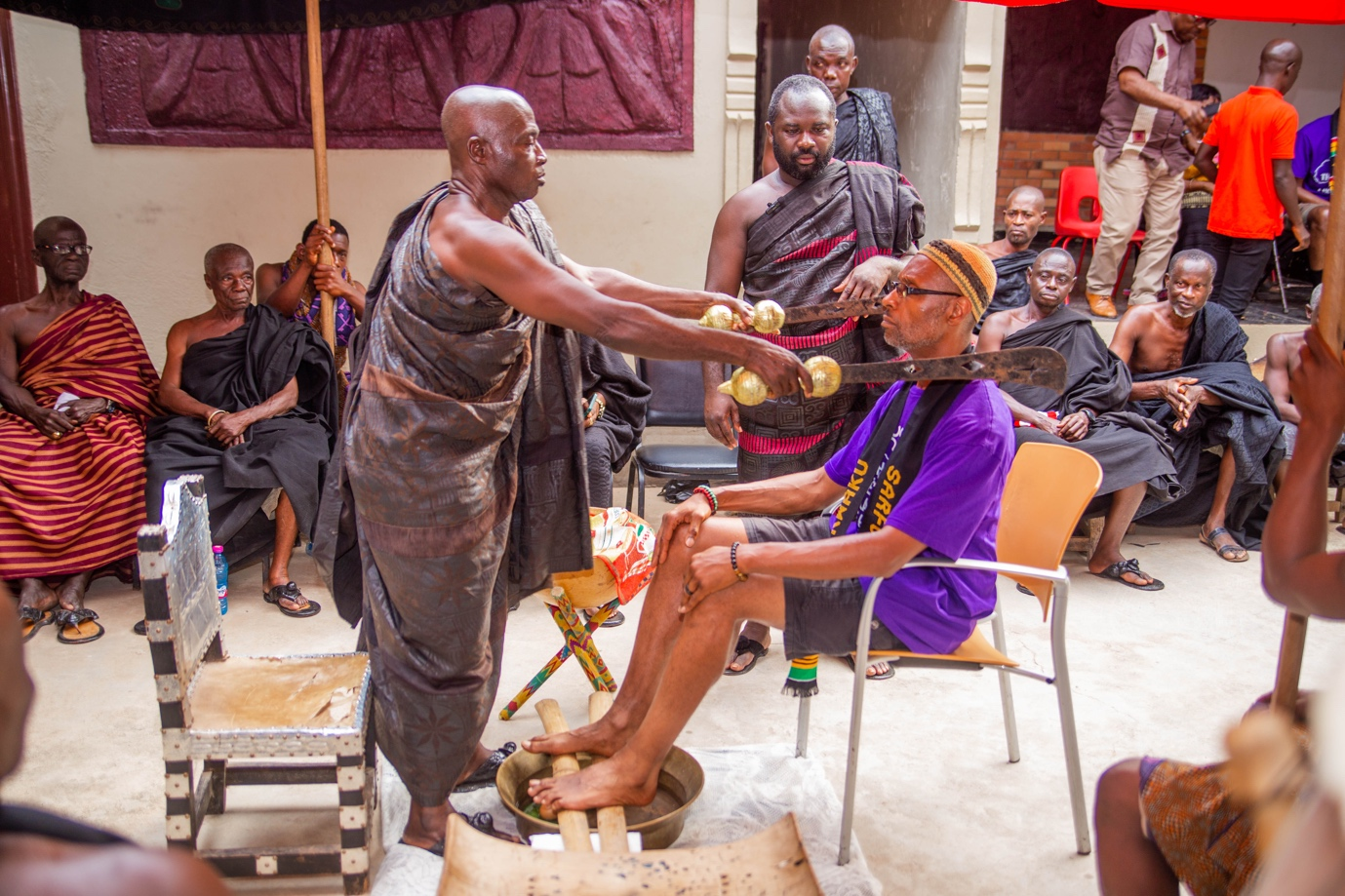
Figure 3: African Americans returning to the Motherland to reconnect to their ancestry through a traditional naming ceremony
A name can be a small word with enormous reach. For African Americans, reclaiming the right to name — and to be named in the presence of ancestral lineages — is a tangible step in reconnecting with
histories interrupted by slavery. Whether you come to Ghana to observe, to receive a name, or to learn, a naming ceremony offers a rare, communal moment: an honored place at the table where names, memories,
and welcome are spoken aloud again.
Get Your African Name in 2026
African Connections continues to offer significant African heritage tours that allow you to travel to Ghana to immerse yourself in its cultural traditions, including authentic naming ceremonies conducted
by chiefs and respected elders.
These experiences provide a thoughtful and heartfelt avenue for African Americans seeking to reconnect with their ancestral origins, learn the cultural significance behind traditional names, and participate
in rituals that honor our African identity.
Book your tour with us to get your African name and discover the best places to visit in Ghana!