Why Juneteenth in Ghana Matters More Than Ever
Did you know that one of the most meaningful Juneteenth celebrations outside the United States happens in Ghana?
Every year, African Americans travel across the Atlantic not just to celebrate freedom, but to reconnect with the land their ancestors were taken from centuries ago.
In Ghana, Juneteenth is more than an American holiday observed abroad. It has become a deeply emotional and symbolic gathering centered on remembrance, reconnection, and the shared history between Africa and the African diaspora.
As conversations around reparatory justice, Pan-African unity, and Black identity continue to grow globally, Juneteenth celebrations in Ghana are taking on even greater significance.
Juneteenth Finds a Home in Ghana
Every June, African Americans across the United States gather to celebrate Juneteenth — the day enslaved Black people in Galveston, Texas finally learned they were free on June 19, 1865, more than two years after the Emancipation Proclamation. It is a celebration of liberation, resilience, remembrance, and Black identity.
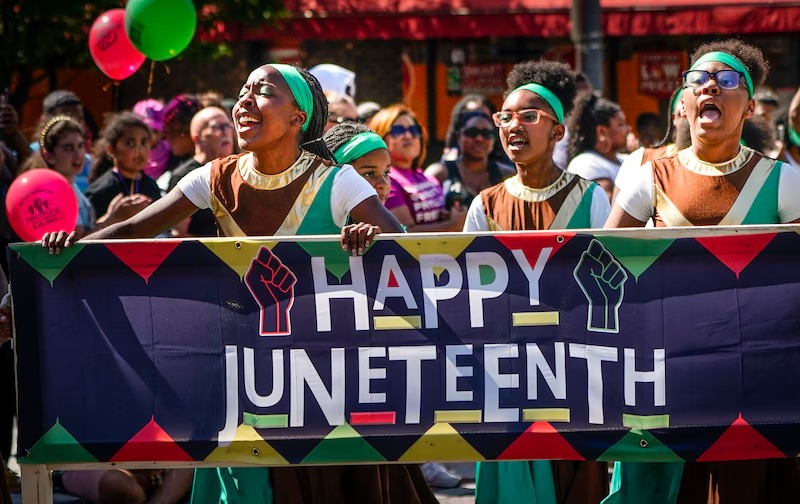
Figure 1: Juneteenth has become an important occasion for African Americans to celebrate their resilience.
But in recent years, Juneteenth has also found a powerful home thousands of miles away from Texas — in Ghana.
And honestly, there may be no place outside the United States where Juneteenth carries a deeper emotional meaning.
Over the years, Ghana has become a spiritual and cultural meeting ground for African Americans seeking reconnection with the African continent. Through initiatives like the “Year of Return” and “Beyond the Return,” Ghana has intentionally positioned itself as a welcoming homeland for the African diaspora.
Organizations like the African American Association of Ghana (AAAG), one of the oldest diasporan organizations on the African continent, have played a central role in building these commemorations into meaningful cultural experiences.
How Juneteenth Has Been Celebrated in Ghana
Over the years, Juneteenth celebrations in Ghana have included heritage tours to Cape Coast and Elmina dungeons, cultural performances, community gatherings, drumming, libation ceremonies, lectures on Pan-Africanism, parades through streets, and conversations about slavery’s lasting impact on Black people globally.
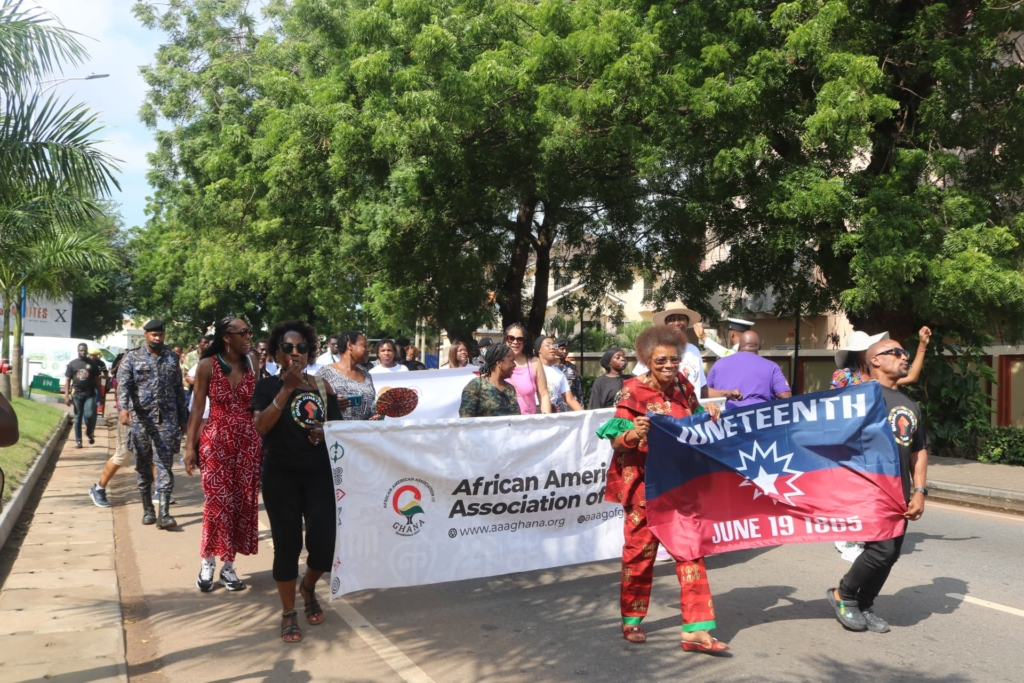
Figure 2: Celebratory parades led by the African American Association of Ghana have become a significant part of Juneteenth celebrations in Ghana
This year, the AAAG is marking Juneteenth 2026 with a vibrant community celebration that blends culture, wellness, music, and fellowship. The festivities will begin on Saturday, June 20, with a Juneteenth Parade, featuring a marching band, arts and crafts, food vendors, and guest presentations.
The celebration will continue with a “Flashback Block Party” in the evening, where attendees will enjoy old-school rap and R&B, live DJ and stage performances, dancing, food and drinks, and special VIP experiences. The events are designed to honor the history and significance of Juneteenth while bringing together African Americans, Ghanaians, and members of the diaspora in a spirit of unity, heritage, and celebration.
The Debate Around Celebrating Juneteenth in Ghana
Still, there is a school of thought that questions whether Juneteenth should even be celebrated in Ghana.
Some critics argue that Juneteenth is specifically an African American historical event and should remain a purely American observance. There are also concerns that the event could become performative or commercially packaged for tourism.
Those concerns deserve acknowledgment.
But they miss a larger truth.
Juneteenth in Ghana is about recognizing that the transatlantic slave trade created a shared historical wound connecting Africa, the Caribbean, South America, and Black America.
Ghana was one of the major departure points in that horrific trade, and millions of enslaved Africans passed through a “Door of No Return” at one of the several dungeons that were dotted along the Ghanaian coast.
For African Americans, standing in Ghana during Juneteenth is deeply symbolic because it closes a historical circle.
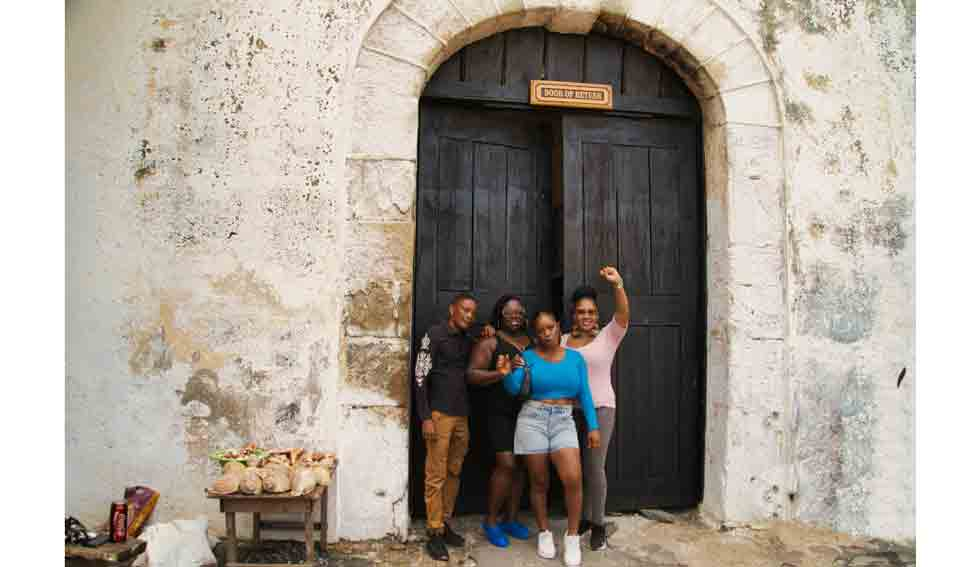
Figure 3: For African Americans, being in Ghana for Juneteenth and standing at sites such as the door of no return is deeply symbolic
It says: we survived.
It says: despite slavery, displacement, racism, lynching, segregation, and systemic exclusion, we found our way back to the continent our ancestors were stolen from.
And for Ghana, embracing Juneteenth sends a message that the country recognizes the African diaspora not as strangers or tourists, but as family. That symbolism matters.
Ghana’s Reparatory Justice Conference Adds New Meaning
Especially now.
Ghana has emerged as a leading global voice on reparatory justice, spearheading the landmark United Nations General Assembly resolution that recognized the transatlantic slave trade and the enslavement of Africans as the gravest crime against humanity. Championed by President John Dramani Mahama in his capacity as the African Union Champion for Reparations, the resolution was adopted by an overwhelming majority of 123 member states in March of this year, marking a historic step toward international acknowledgment of the enduring consequences of slavery and the need for reparative action.
Building on this momentum, Ghana will host a High-Level Consultative Conference on Reparatory Justice in Accra from June 17–19, 2026, bringing together world leaders, diplomats, scholars, civil society organizations, and members of the African diaspora to chart the next steps following the UN resolution and advance the global reparations agenda.
And for the first time ever, a national-level Juneteenth commemoration will form part of the final day’s activities in Accra, creating a powerful intersection between remembrance and action.
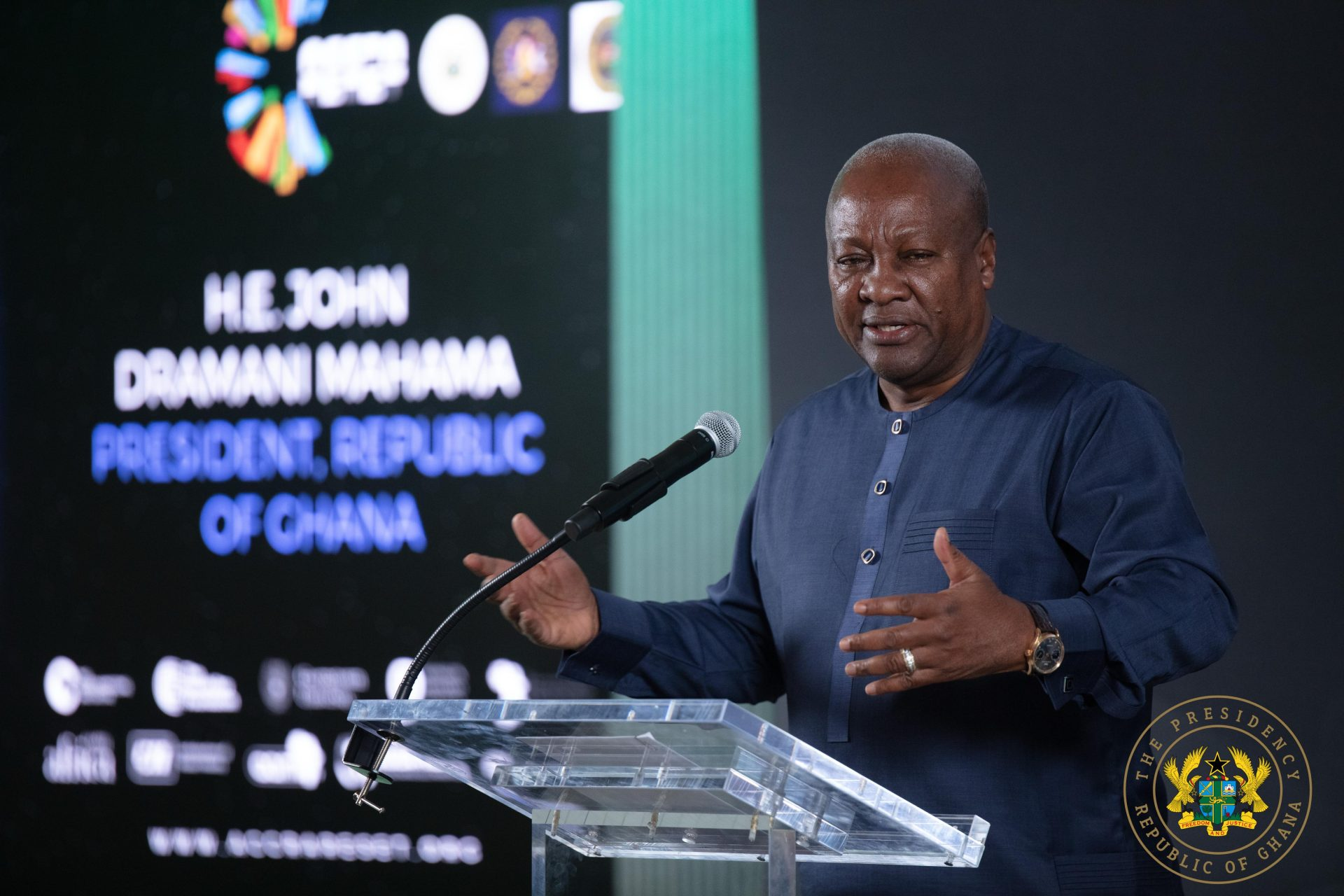
Figure 4: Ghana's President John Mahama is leading conversations on reparatory justice
The connection between Juneteenth and reparations is important.
Juneteenth is not merely a celebration of delayed freedom. It is also a reminder that emancipation never erased the economic and psychological damage slavery created. The racial wealth gap, systemic discrimination, cultural erasure, and generational inequities experienced by Black communities today did not emerge in a vacuum. They are directly tied to centuries of forced labor and exploitation.
That is why conversations around reparatory justice are no longer fringe discussions. Across Africa, the Caribbean, and the diaspora, governments and institutions are increasingly demanding formal acknowledgment, repair, investment, and accountability. Ghana has emerged as one of the leading voices in that global movement.
And perhaps that is exactly why Juneteenth belongs in Ghana.
Ghana's official Juneteenth observance will begin with a tour of Christiansborg Castle, offering participants an opportunity for spiritual reflection and reconnection at a site linked to the transatlantic slave trade. The program will also feature a commemoration of tragic moments in the history of slavery, culminating with a vibrant traditional durbar.
Ghana is not just hosting a celebration.
It is hosting a global conversation about justice.
Why African Americans Should Experience Juneteenth in Ghana
For African Americans considering their first trip to Africa, there may be no more meaningful time to visit Ghana than the Juneteenth season.
The energy is different. The emotion is real. The history feels alive.
Whether you are attending cultural events in Accra, walking through the slave dungeons, connecting with fellow members of the diaspora, or participating in conversations about reparatory justice and Pan-African unity, Ghana during Juneteenth offers something deeper than tourism. It offers perspective.
Join African Connections’ Juneteenth Tour in 2027
In 2027, African Connections is inviting African Americans and members of the diaspora to be part of that experience through its special Juneteenth Tour to Ghana.
The tour will provide an immersive opportunity to celebrate Juneteenth on African soil while exploring Ghana’s rich history, vibrant culture, and historical landmarks, as well as its deep connections to the African diaspora.
Juneteenth in Ghana is bigger than just a celebration. It is a bridge between past and future, a reunion generation in the making, and a reminder of the inextricable connections we have with the Motherland.