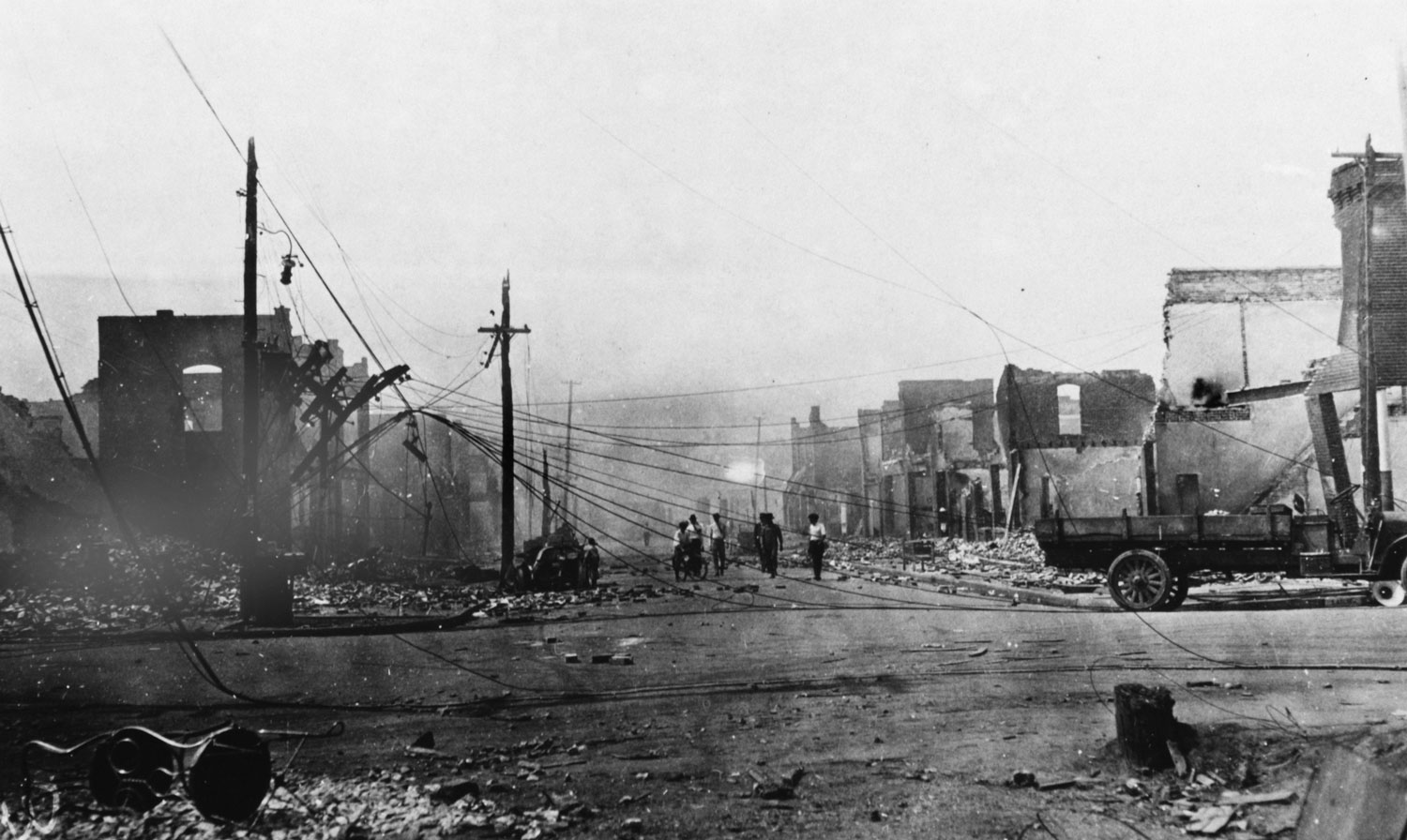
Did you know the Tulsa Race Massacre erased generations of Black wealth in a single day?
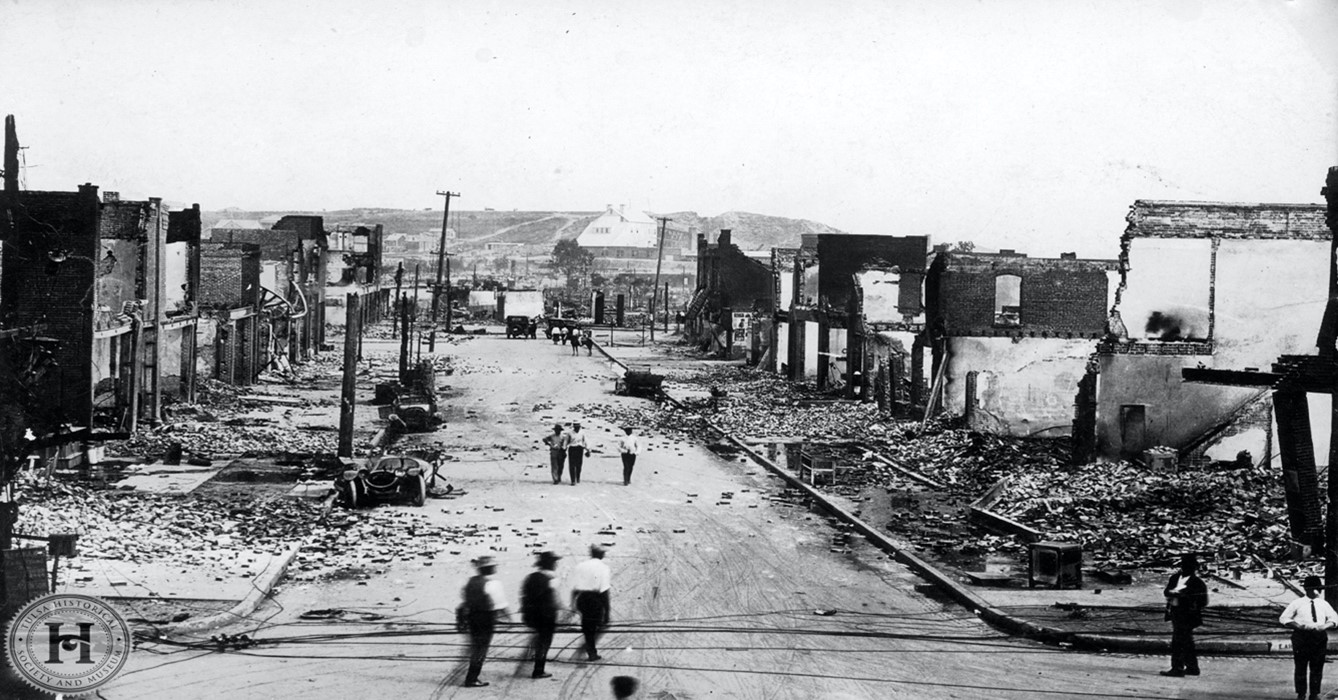
Figure 1: The Greenwood District of Tulsa, “Black Wall Street,” was reduced to ruins following the race massacre.
In the early 20th century, Greenwood stood as a powerful example of Black resilience and self-determination. Often referred to as “Black Wall Street,” the district thrived despite the constraints of segregation. Black entrepreneurs built a vibrant local economy, complete with banks, hotels, restaurants, schools, theaters, and professional services. Families accumulated wealth, and the community fostered a culture of pride, independence, and progress.
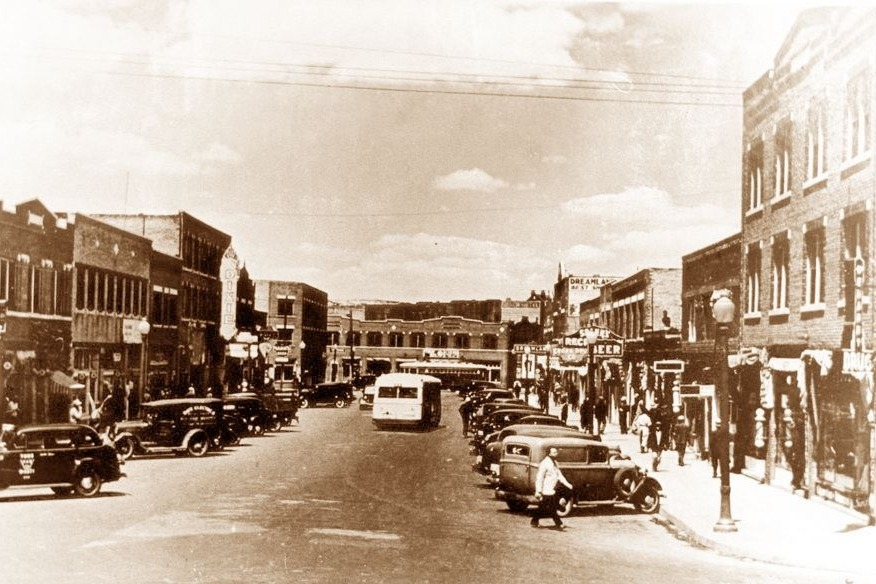
Figure 2: The Greenwood District of Tulsa was home to businesses and commerce that flourished prior to the race massacre
This success, however, existed within a broader American society marked by racial hostility and resentment—conditions that erupted into violence on May 31st, 1921.
Believed to be the single worst incident of racial violence in American history, the bloody outbreak in Tulsa started after a rumour circulated that a young Black man had acted “inappropriately” when riding in an elevator with a white woman.
Over the next 24 hours, white mobs launched a coordinated assault on Greenwood.
Homes were burned to the ground. Businesses were looted and destroyed. Residents fled under gunfire, and some reports indicate that private aircraft were used to drop incendiary devices. By the end of the violence, as many as 300 Black residents had been killed, more than 1,000 homes were gone, and more than 30 blocks of the community had been destroyed, leaving thousands displaced.
What had taken decades to build was wiped out in a single, devastating episode.
Silence, Loss, and Generational Impact
The economic consequences of this white violence were profound. Black generational wealth was destroyed, and families who had once thrived were pushed into long-term financial instability.
The effects of that loss continue to reverberate, contributing to the racial wealth gap that persists in America today.
For advocates of reparations, Tulsa stands as one of the clearest examples of why meaningful repair and accountability remain necessary.
Ghana Intensifies Reparatory Justice Conversations
Under the leadership of Ghana’s President John Dramani Mahama, who serves as the African Union Champion for Reparations, Ghana has been at the forefront of international efforts to secure recognition of the transatlantic slave trade and the enslavement of Africans as among the gravest crimes against humanity.
Those efforts culminated in the adoption of a landmark United Nations resolution in late March this year that has given renewed momentum to the global reparations movement and intensified calls for historical justice.
Building on that momentum, Ghana is set to host a high-level International Conference on Reparatory Justice in Accra from June 17 to 19, 2026.
A Journey Back to the Motherland
While America struggled for decades to fully acknowledge Tulsa’s legacy, another chapter of reconnection emerged across the Atlantic.
Two of the last known survivors of the Tulsa Race Massacre, Viola Fletcher and her brother Hughes Van Ellis, traveled to Ghana in 2021 at the age of 107 and were granted Ghanaian citizenship.
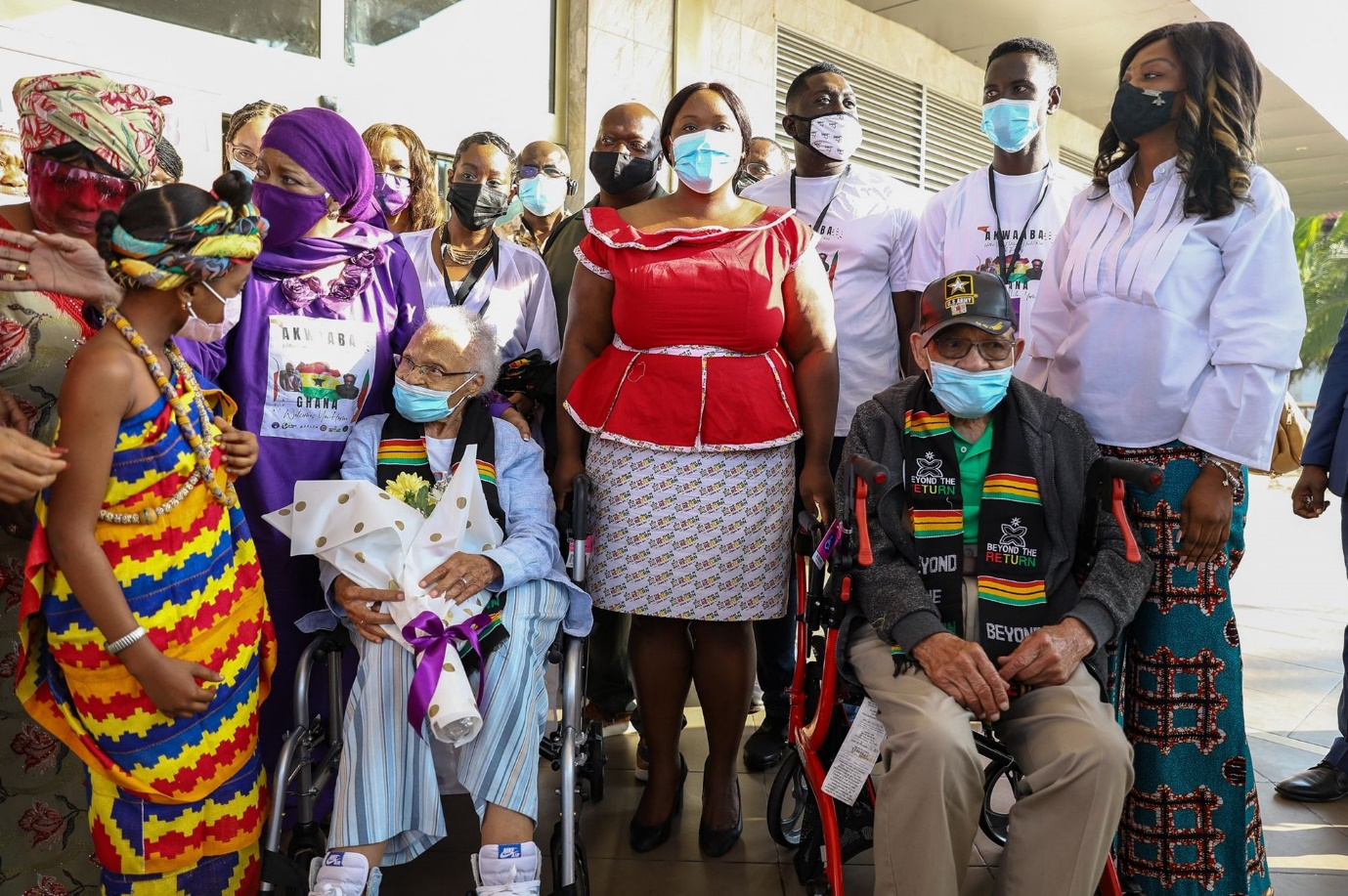
Figure 3: Viola Fletcher and her brother Hughes Van Ellis arrive in Ghana in 2021
Their visit reflected a broader journey shared by many African Americans seeking connection with their ancestral roots. Ghana represents more than a travel destination—it is a place of reconnection and rediscovery.
Reconnecting to the Motherland Through African Connections
As interest in heritage travel continues to grow, African Connections is playing a vital role in helping African Americans reconnect with their roots. Through carefully curated experiences across destinations such as Ghana, Senegal, and beyond, African Connections provides meaningful journeys that go beyond tourism—offering opportunities to engage with history, culture, and identity on a deeply personal level.
Our dedicated team specializes in heritage travel for members of the African diaspora, ensuring that every trip is meaningful, educational, and unforgettable. For us, Africa is not just a destination; it is a homecoming. Let us guide you back home!
Reserve your spot today!