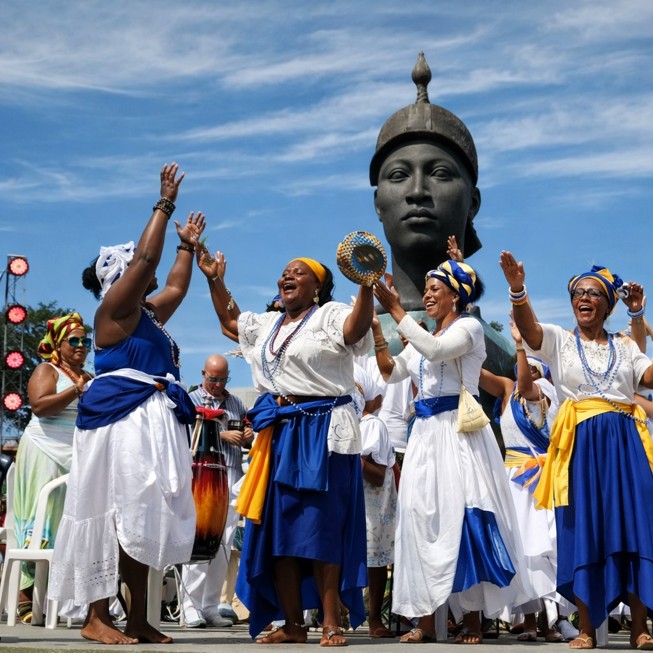
Discovering Brazil’s African Roots Through Black Consciousness Day
Did you know Brazil has the largest Black population outside of Africa?
More enslaved Africans were transported to Brazil than to any other country in the Americas.
Estimates compiled by the Trans-Atlantic Slave Trade Database indicate that approximately five million enslaved Africans were taken to Brazil during the transatlantic slave trade. They came from different African tribes and regions, bringing knowledge, languages, spiritual traditions, culinary practices, and artistic expressions that have shaped Brazilian culture for generations.
Today, that heritage remains visible throughout Brazil, particularly in the northeastern state of Bahia, where African cultural influences are deeply embedded in everyday life. Bahia's capital, Salvador, was a major colonial-era center and remains an important destination for understanding the country’s African heritage.
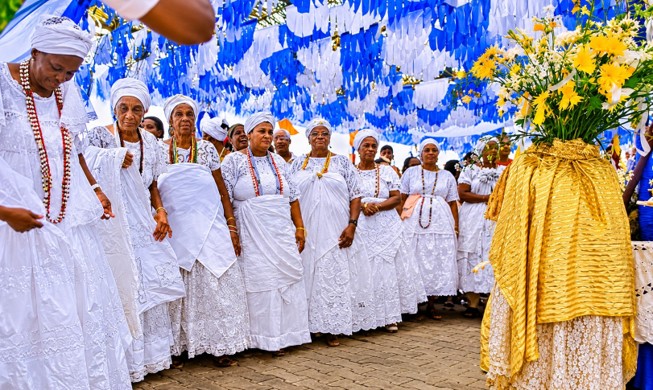
Figure 1: African religious traditions have shaped Brazilian culture for generations
For African Americans, exploring Brazil offers a chance to encounter familiar themes of cultural survival, resistance, and identity, expressed through traditions that express our shared African ancestry.
November 20: A Day to Honor Black History and Resistance
Black Consciousness Day honors Zumbi dos Palmares, a historic symbol of Black resistance to slavery, and is observed every November 20th.
Zumbi was associated with Quilombo dos Palmares, a community established by people who escaped enslavement and sought freedom. His death on November 20, 1695, became a powerful symbol of the struggle for liberation and racial equality. The observance grew through Brazil’s Black movement and is now celebrated nationwide as a public holiday.
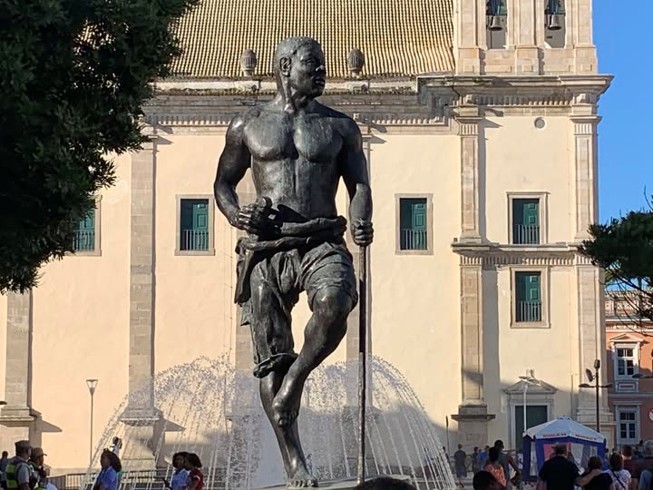
Figure 2: Black Consciousness Day honors Zumbi dos Palmares, a historic symbol of Black resistance to slavery.
The day features cultural events, educational programs, public discussions, and activities that celebrate Black achievement and heritage. It also calls attention to racism and the inequalities that continue to affect Afro-Brazilians.
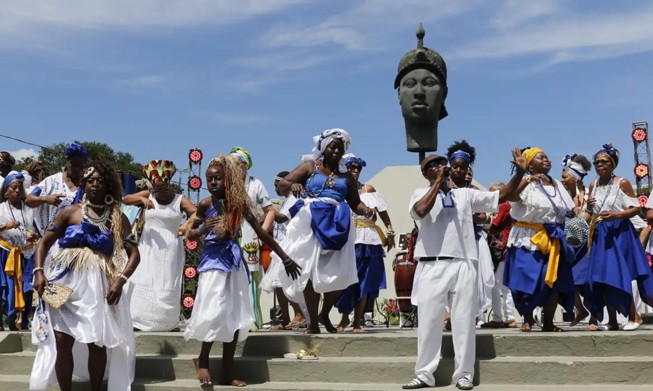
Figure 3: Zumbi Day is marked by parades that celebrate Brazil’s African roots
For African Americans, the occasion resonates beyond Brazil. Like Black History Month and Juneteenth in the United States, it creates space to honor ancestors, recognize Black communities' achievements, and confront histories too often overlooked.
From Capoeira to Cuisine: Africa’s Living Legacy
Brazil’s African heritage is not confined to museums or history books. It lives in the music, food, religion, dance, and community traditions that shape much of the country’s cultural identity.
Capoeira, the Afro-Brazilian practice that combines martial arts, dance, music, and ritual, reflects the creativity and resilience of African-descended communities. UNESCO recognizes the capoeira circle as intangible cultural heritage, noting its role in transmitting knowledge, encouraging mutual respect, and preserving the memory of resistance to historical oppression.
In Bahia, African influences also appear in Candomblé, a religion whose traditions include venerating orixás, and in local cuisine, including acarajé, a popular street food made from black-eyed peas and closely associated with Afro-Brazilian culinary traditions.
Music, including samba and other Afro-Brazilian rhythms, similarly carries traces of African cultural expression. These traditions are not simply remnants of the past; Black Brazilians continue to evolve them through creativity and contributions today.
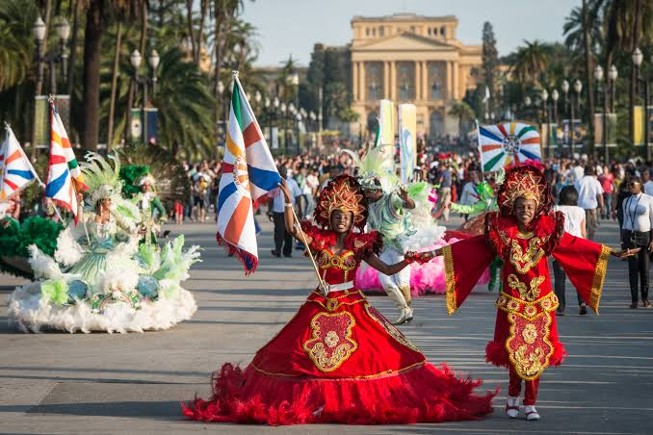
Figure 4: Music, including samba and other Afro-Brazilian rhythms, carries traces of African cultural expression
For visitors, engaging with these cultural expressions provides an opportunity to appreciate how African heritage has endured, adapted, and flourished across generations in Brazil.
A Journey of Connection: African Connections’ Afro-Brazilian Tour 2027
Travel can be more than an opportunity to see new places. It can also reconnect you with history, reveal shared heritage, and deepen your understanding of the African diaspora.
African Connections’ Afro-Brazilian Tour 2027 invites travelers to explore Brazil through the lens of African heritage, cultural identity, and historical connection. For African Americans interested in tracing the broader story of the African diaspora, the journey offers a chance to experience a country where African traditions remain central to its cultural landscape.
From exploring historic sites to discovering Afro-Brazilian cultural expressions, the experience offers an opportunity to look beyond familiar narratives and appreciate the enduring links between Africa and its diaspora. Specific itinerary details and activities should be confirmed with the tour organizers.
Ready to discover Brazil’s African roots?
Reserve your spot for African Connections’ Afro-Brazilian Tour 2027 and join a journey celebrating heritage, history, and the enduring connections that unite people of African descent across the Atlantic.
References and Sources
The following sources support the historical and cultural information used in this blog. Links were checked during preparation on October 13, 2026.
1. Slave Voyages — Trans-Atlantic Slave Trade Database
Database documenting transatlantic voyages and estimates of the forced transportation of enslaved Africans. Used to estimate approximately 4.9 million Africans who disembarked in Brazil.
https://www.slavevoyages.org/
2. Government of Brazil — Law No. 14,759 of December 21, 2023
Official legal text declaring November 20 a national public holiday for the National Day of Zumbi and Black Consciousness.
https://www.planalto.gov.br/ccivil_03/_ato2023-2026/2023/lei/l14759.htm
3. Government of Brazil — “For the first time, Black Consciousness Day is a national holiday”
Government explainer on the national observance and its significance.
https://www.gov.br/mds/pt-br/noticias-e-conteudos/desenvolvimento-social/noticias-desenvolvimento-social/pela-primeira-vez-feriado-da-consciencia-negra-e-nacional
4. UNESCO World Heritage Centre — Historic Centre of Salvador de Bahia
Background on Salvador’s history as a point of convergence for European, African and Indigenous cultures, and the city’s role in the slave trade.
https://whc.unesco.org/en/list/309
5. UNESCO Intangible Cultural Heritage — Decision 9.COM 10.8: Capoeira Circle
UNESCO documentation describing capoeira’s practice, transmission of knowledge, social role, and connection to the memory of resistance.
https://ich.unesco.org/en/decisions/9.COM/10.8
6. UNESCO — Salvador Monitoring Report 2024
Report describing cultural programming and initiatives promoting Afro-Brazilian heritage in Salvador.
https://www.unesco.org/sites/default/files/medias/fichiers/2025/04/Salvador_Monitoring_Report_2024.pdf