Ethiopia Country Profile
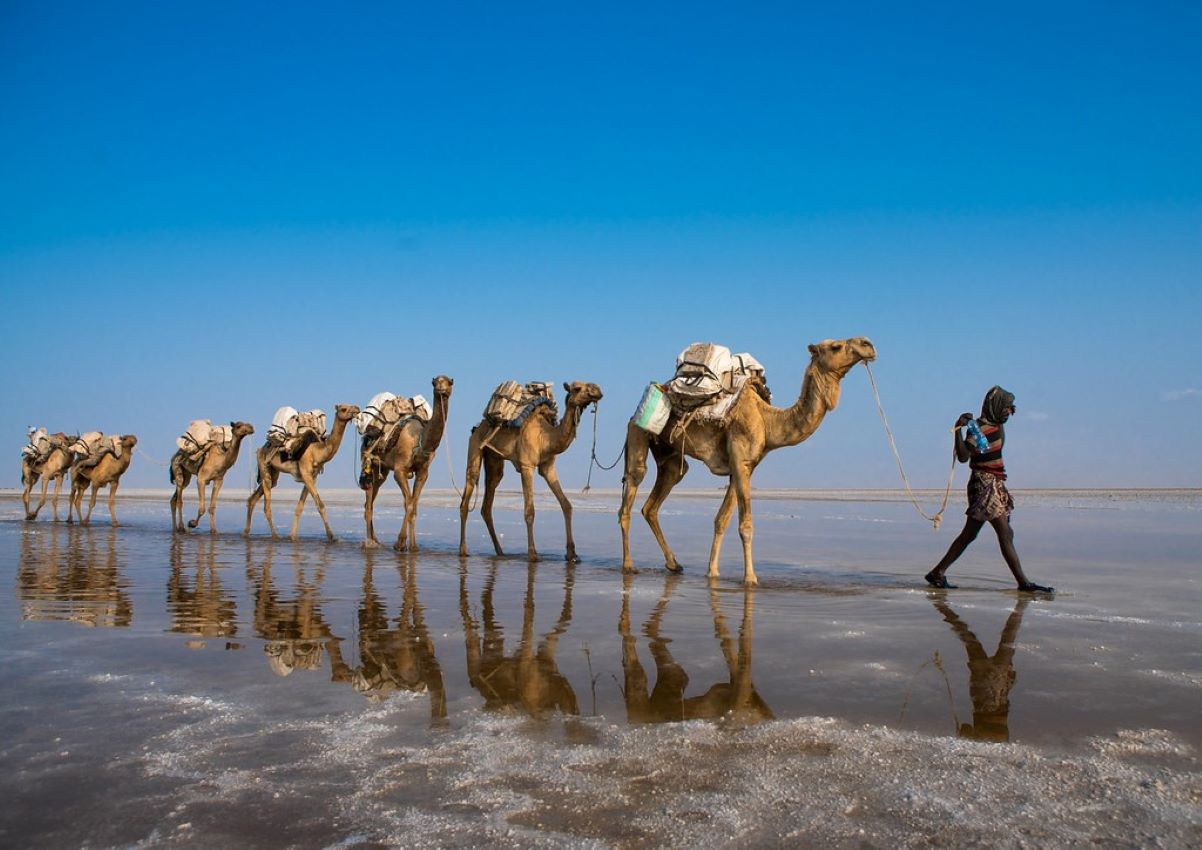
Ethiopia is located in the Horn of Africa, bordered by Eritrea to the north, Djibouti and Somalia to the east, Kenya to the south, South Sudan to the west, and Sudan to the northwest. The country’s diverse geography includes the towering Ethiopian Highlands, the Great Rift Valley, fertile plateaus, and the low-lying Danakil Depression—one of the hottest and most geologically active places on Earth. Ethiopia is also home to Lake Tana, the source of the Blue Nile River, and Ras Dashen, the highest peak in the Simien Mountains.
The climate varies significantly: the highland areas enjoy a cooler, temperate climate, while the lowland regions are hot and arid. Ethiopia experiences two rainy seasons: the belg (short rains) from March to May and the kiremt (long rains) from June to September.
The capital city is Addis Ababa, a political and diplomatic hub that hosts the headquarters of the African Union. Other important cities include Gondar, known for its castles and royal history; Bahir Dar on Lake Tana; Mekelle in the Tigray region; and Hawassa in the Great Rift Valley. Ethiopia has a population of over 120 million people, making it the second-most populous country in Africa.
Ethiopia is home to more than 80 ethnic groups, with the Oromo, Amhara, Somali, and Tigray being the largest. Amharic is the official working language, but many other languages, such as Oromo, Tigrinya, and Somali, are widely spoken. Ethiopia is religiously diverse, with Ethiopian Orthodox Christianity, Islam, and Protestant Christianity as the major faiths, alongside traditional beliefs practiced in some communities.
Ethiopia’s rich history stretches back thousands of years, including the ancient Kingdom of Aksum, famed for its obelisks and early Christian heritage. It is celebrated as the only African country never colonized, preserving a unique cultural identity. Ethiopia is also known as the birthplace of coffee, the origin of humanity with significant archaeological finds like Lucy, and a land of vibrant festivals such as Timket and Meskel. Today, Ethiopia is recognized for its historical treasures, stunning landscapes, diverse cultures, and the warmth and hospitality of its people.
Geography
Ethiopia, officially the Federal Democratic Republic of Ethiopia, is located in the Horn of Africa and stretches from the highlands of the north and central plateau to the low-lying Afar and Somali regions in the east. It shares borders with Eritrea to the north, Djibouti and Somalia to the east, Kenya to the south, South Sudan to the west, and Sudan to the northwest. Though landlocked, Ethiopia maintains access to key regional trade routes through agreements with neighboring ports, particularly in Djibouti.
Covering approximately 1,104,300 square kilometers (426,400 sq mi), Ethiopia is the largest country in the Horn of Africa and the second-most populous nation in Africa, with over 120 million people. It is celebrated for its extraordinary cultural and ethnic diversity, home to more than 80 distinct ethnic groups and a wide array of languages. Ethiopia is a federal parliamentary republic, organized into ethnically based regional states. It is unique in Africa for maintaining its sovereignty during the colonial era, with only a brief Italian occupation in the 1930s.
Ethiopia has played a central role in African politics and diplomacy, hosting the headquarters of the African Union in its capital, Addis Ababa. Despite facing various developmental and political challenges, Ethiopia has preserved a strong sense of historical identity and pride. It remains a key player in the stability, heritage, and development of the Horn of Africa and the wider continent.
Economy
The economy of Ethiopia is diverse and rapidly evolving, with key sectors including agriculture, services, manufacturing, construction, and energy. Agriculture remains the backbone of the economy, employing the majority of the population and contributing significantly to GDP. Major crops include coffee—Ethiopia is considered the birthplace of coffee and remains one of the world’s top exporters—alongside oilseeds, pulses, cereals like teff and maize, and horticultural products such as flowers and vegetables.
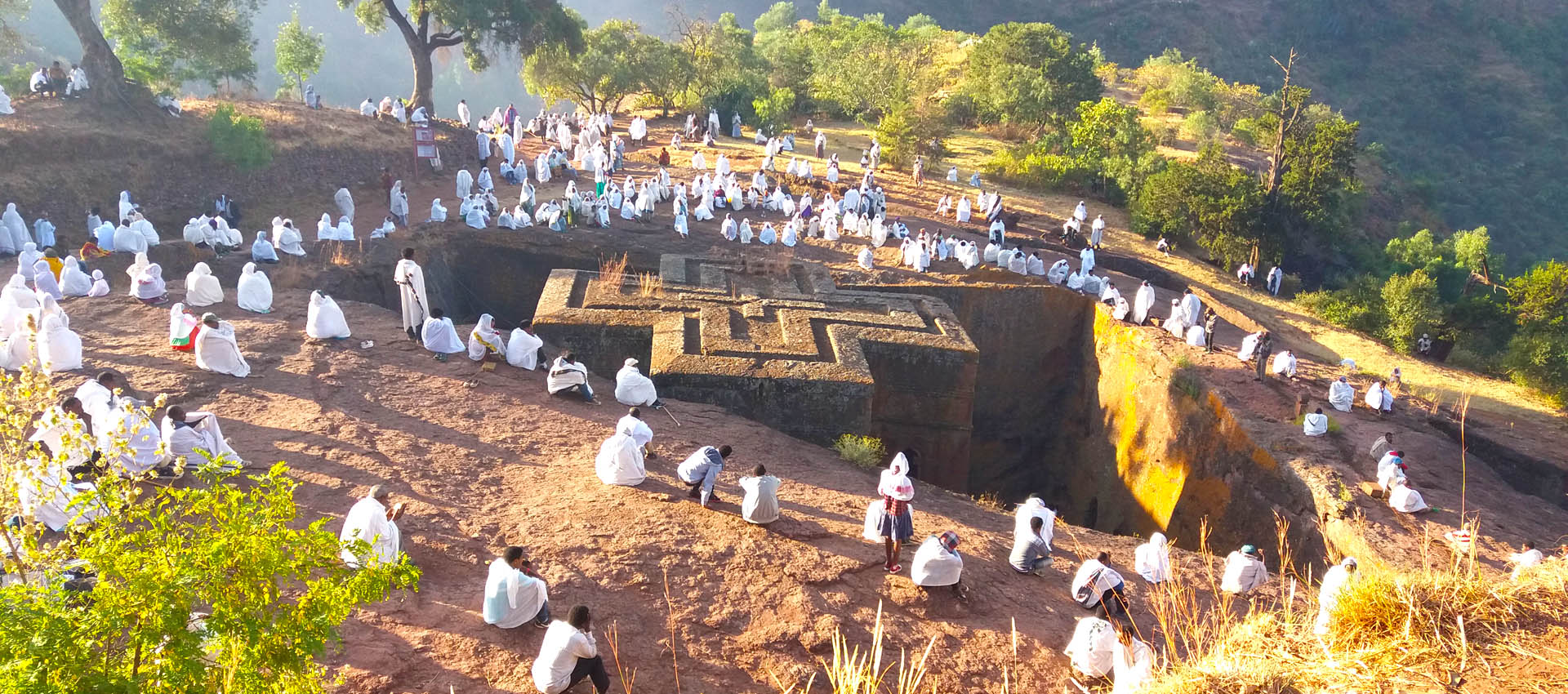
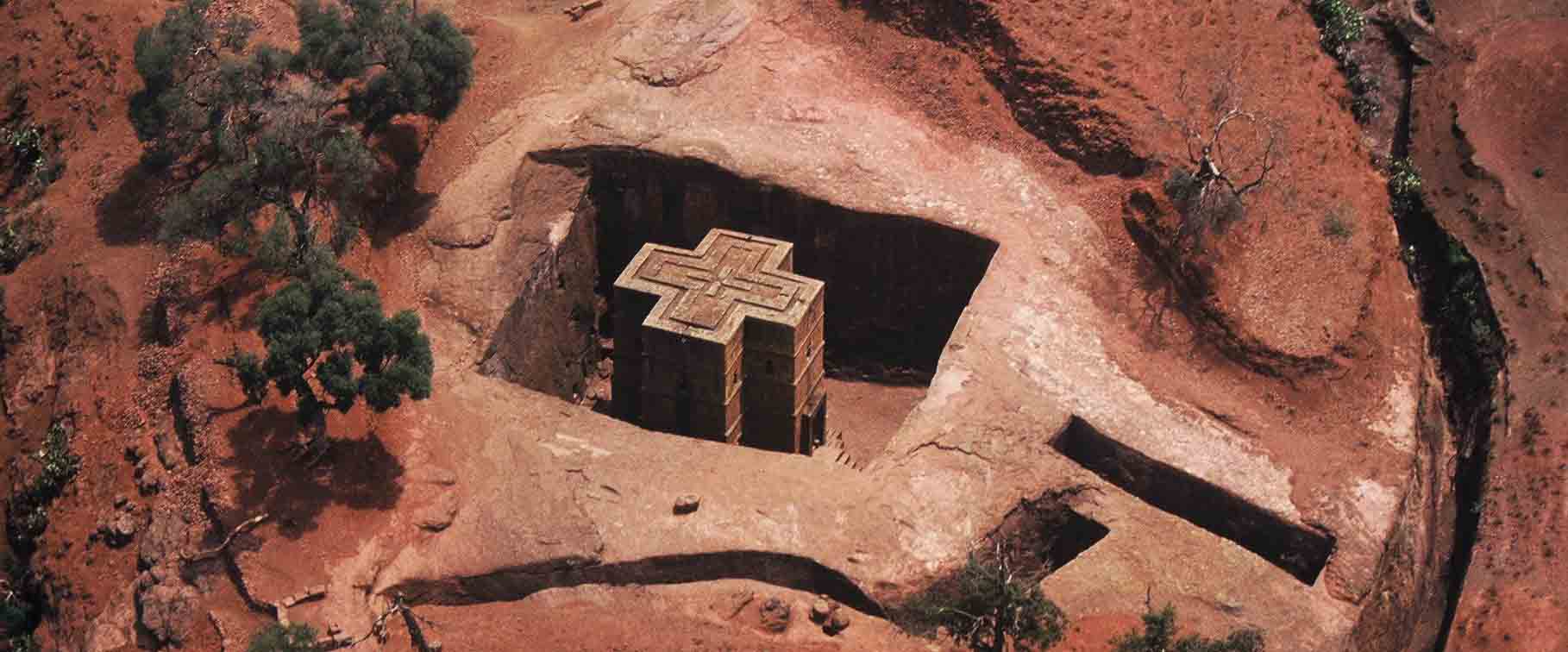
Ethiopia is also rich in natural resources, with deposits of gold, tantalum, potash, and gemstones. The mining sector is expanding steadily, alongside significant investments in hydroelectric power, making Ethiopia one of Africa’s leading producers of renewable energy through projects like the Grand Ethiopian Renaissance Dam (GERD). Tourism is an important and growing sector, with Ethiopia globally recognized for its ancient historical sites, including the rock-hewn churches of Lalibela, the castles of Gondar, the Simien Mountains, and the unique cultural traditions of the Omo Valley tribes.
The country has made substantial progress in infrastructure development, particularly in road construction, energy production, and industrial parks aimed at boosting exports. Addis Ababa, the capital and commercial hub, also serves as a key diplomatic center for Africa. In recent years, the government has prioritized industrialization, expanding manufacturing through its Growth and Transformation Plans (GTP), and strengthening sectors like textiles, leather, and agro-processing. Ethiopia’s vision is to transform into a middle-income, manufacturing-driven economy while continuing to develop its human capital and regional trade ties.
Currency
The official currency of Ethiopia is the Ethiopian Birr, with the currency code ETB. It is commonly represented as "Br" or simply "Birr." The Ethiopian Birr is not pegged to any foreign currency, and its exchange rate with the U.S. dollar may vary based on market conditions. When traveling to Ethiopia, you can exchange U.S. dollars for Ethiopian Birr at local banks, authorized currency exchange bureaus, or at the airport.
It is advisable to carry some Ethiopian Birr for everyday purchases, as U.S. dollars are generally not accepted for regular transactions, especially outside major cities. Regarding bringing cash into the country, travelers can bring up to 1,000 Ethiopian Birr in local currency. For foreign currency, if you are carrying the equivalent of $3,000 USD or more, you must declare it to customs upon arrival. Amounts below this threshold do not require a declaration. Always keep your currency declaration form, as it will be required when exchanging money or upon departure.
Language
The official working language of Ethiopia is Amharic, which plays an important role in the country’s governance, education, and business sectors. Amharic is the federal government’s primary language and is widely spoken across many regions, serving as a key medium of communication among Ethiopia’s diverse ethnic groups. In addition to Amharic, Ethiopia recognizes many regional languages as official within their respective federal states. Oromo, Tigrinya, Somali, Afar, Sidamo, and Wolaytta are among the most widely spoken indigenous languages, each predominant in its own region and commonly used in homes, local schools, and community affairs.
Ethiopia is one of the most linguistically diverse countries in Africa, home to more than 80 distinct ethnic groups and over 80 languages belonging mainly to the Cushitic, Semitic, Omotic, and Nilo-Saharan language families. English, introduced as a foreign language, is commonly used in secondary schools, universities, and in certain business and government contexts, especially in Addis Ababa and other major cities.
In urban areas like Addis Ababa, Dire Dawa, and Bahir Dar, Amharic is widely spoken, and many people, particularly in the hospitality and service sectors, have a good command of English. In rural areas, local ethnic languages are more dominant in daily life, although people often understand Amharic to some extent, especially for official matters. For visitors, communication is generally manageable in cities and tourist destinations, where English is understood. However, learning a few basic phrases in Amharic (such as Selam for hello and Amesegenallo for thank you) or the local language of the region you are visiting can greatly enhance your interactions and is warmly appreciated by locals.
Government
The Constitution of Ethiopia was adopted in 1995, establishing a federal parliamentary republic with a government structured around three main branches: the Executive, Legislative, and Judiciary. Ethiopia’s political system is guided by principles of federalism, separation of powers, and the rule of law, with special emphasis on the rights of its diverse ethnic groups.
The country is divided into 11 regional states (kililoch) and two chartered cities (Addis Ababa and Dire Dawa). These regions are largely based on ethnic lines and have significant autonomy, including the right to self-administration. Ethiopia’s Parliament consists of the House of Peoples' Representatives and the House of Federation. The Prime Minister is the head of government and exercises executive power, while the President serves as the ceremonial head of state. General elections are held every five years.
Current President
His Excellency Taye Atske Selassie
History
Before European colonization, Ethiopia was home to a wide range of ancient civilizations, kingdoms, and ethnic communities, each with its own systems of governance, culture, and trade. Notable among these were the Aksumite Empire, the Zagwe dynasty, the Solomonic dynasty, and the Oromo, Sidama, Afar, and Somali peoples, among many others. Ethiopia’s highlands became a center of early Christianity in Africa, while the lowland areas maintained Islamic and indigenous belief systems. The ancient city of Aksum was a powerful trading empire from the 1st to 7th centuries, engaging in commerce with the Roman Empire, Arabia, India, and beyond. Ethiopia's Red Sea port of Adulis made it an important player in regional trade in gold, ivory, frankincense, and slaves.
Unlike most African countries, Ethiopia successfully resisted European colonization. The Battle of Adwa in 1896 marked a defining moment when Emperor Menelik II defeated Italian forces, preserving Ethiopia's sovereignty. This victory made Ethiopia a symbol of African independence and pride across the continent. However, in 1935, Fascist Italy under Mussolini invaded and occupied Ethiopia, establishing Italian East Africa. This occupation lasted until 1941, when Ethiopian forces, supported by British allies, successfully expelled the Italians, and Emperor Haile Selassie was restored to power.
Throughout the 20th century, Ethiopia underwent significant political and social transformations. In 1974, a military coup known as the Derg overthrew Emperor Haile Selassie, ending the monarchy and establishing a Marxist-Leninist regime. The Derg period was marked by land reforms but also widespread human rights abuses, political repression, and a devastating famine in the 1980s that drew global attention. Armed resistance movements, particularly the Tigray People's Liberation Front (TPLF) and the Eritrean People's Liberation Front (EPLF), eventually overthrew the Derg in 1991. Following the fall of the Derg, Ethiopia adopted a federal system based on ethnic lines under the Ethiopian People's Revolutionary Democratic Front (EPRDF). Eritrea, which had been annexed by Ethiopia, gained independence in 1993. Ethiopia's new constitution in 1995 introduced ethnic federalism, granting regions the right to self-administration and even secession.
This system brought both increased local autonomy and ongoing ethnic tensions. In recent years, political changes accelerated with the rise of Prime Minister Abiy Ahmed in 2018, who introduced reforms, released political prisoners, and signed a peace deal with Eritrea, earning him the 2019 Nobel Peace Prize. However, the country has also faced renewed conflict, most notably the Tigray War (2020–2022), which caused a humanitarian crisis and international concern. Today, Ethiopia remains one of Africa’s oldest and most historically significant nations, playing a central role in continental diplomacy as the headquarters of the African Union.
Despite challenges related to ethnic federalism, political instability, and development disparities, Ethiopia continues to be a cultural, historical, and geopolitical powerhouse in the Horn of Africa.
Climate
Ethiopia’s climate varies widely due to its diverse geography and high elevation. Much of the country, especially the central and northern highlands including Addis Ababa, enjoys a mild, temperate climate with warm days and cool nights. In contrast, the lowland areas—such as the eastern plains and the southern regions—tend to be hot and dry, while the western lowlands are warmer and more humid. The average daily temperatures in the highlands range between 60°F and 75°F, while lowland areas can reach 90°F or higher.
The coolest period generally occurs between June and August, which is also the main rainy season. During this time, temperatures in the highlands can range from 50°F at night to about 70°F during the day.
Ethiopia’s dry season typically begins in October and lasts through February, characterized by sunny days, lower humidity, and pleasant temperatures. In Addis Ababa and similar highland cities, daytime temperatures during this season average around 72°F, while nighttime temperatures can drop to 50°F or lower.