Ancient Kemet: Exploring Egypt’s Nubian Roots
Ancient Kemet: Exploring Egypt’s Nubian Roots
Egypt has captured the imagination of people worldwide for generations. The pyramids, temples, pharaohs, and hieroglyphs are among humanity’s most recognizable cultural achievements.
But for African Americans interested in reconnecting with the continent, Egypt offers something deeper: an opportunity to explore an ancient civilization that originated in Black Africa.
Ancient Egypt was called Kemet, commonly translated as “the Black Land,” and included Nubia to the south and northern Sudan.
Egypt and Nubia: Two Worlds, One Nile Valley
The relationship between Egypt and Nubia was complicated and changed dramatically over thousands of years. Trade, cultural exchange, warfare, migration, and political domination flowed in both directions. Egyptian rulers expanded southward into Nubia, while Nubian rulers eventually moved north and conquered Egypt.
Ancient Egypt is impossible to understand without understanding its links to Nubia.
The Kushites Who Became Pharaohs of Egypt
One of the most important chapters in this shared history came when the Kingdom of Kush rose to power in Nubia.
Around the eighth century BC, Kushite rulers conquered Egypt and established what historians call Egypt's 25th Dynasty. Pharaohs including Piye, Shabaka, and Taharqa ruled a territory stretching across Egypt and Kush.
Their story challenges the familiar image of ancient Egypt as a civilization disconnected from the rest of Africa. These were African rulers from a powerful Nile Valley kingdom who became pharaohs of Egypt and revived and expanded many Egyptian religious and artistic traditions.
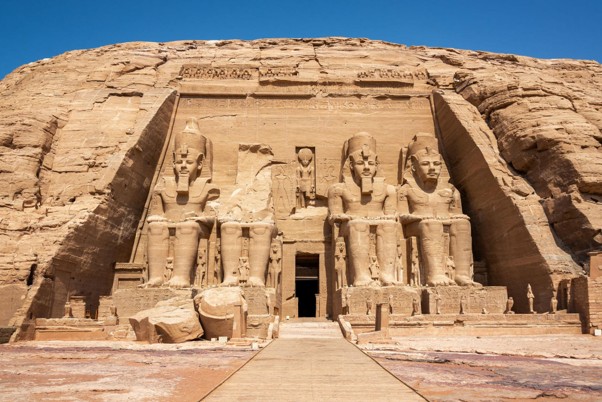
Figure 1: Statues of Kushite rulers of Egypt whose reign helped to expand Egyptian civilization
Farther south, the Kushite civilization continued to flourish through the kingdoms of Napata and Meroë. UNESCO describes the archaeological sites around Gebel Barkal as evidence of the Napatan and Meroitic cultures of the second Kingdom of Kush, including temples, palaces and royal pyramids.
And those pyramids are an important reminder: Egypt does not have a monopoly on pyramids in Africa. Hundreds of pyramids were built in Nubia, particularly around Meroë, where Kush developed its own distinctive architectural traditions.
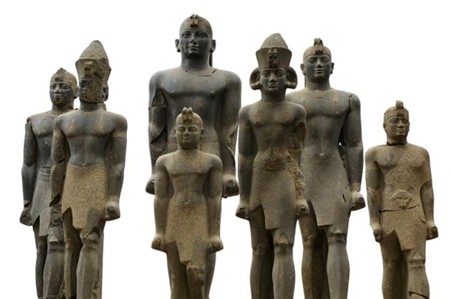
Figure 2: The Kushites developed their own distinctive pyramid architecture
Were the Ancient Egyptians Black?
This is where the conversation requires historical care.
Modern racial categories such as “Black” and “White” do not map neatly onto the populations of the ancient Nile Valley. Ancient Egypt existed for more than 3,000 years, and its population changed through migration, trade, intermarriage, conquest, and political expansion.
At the same time, portraying ancient Egypt as culturally detached from Africa is historically inaccurate. Egypt was an African civilization, and its history was deeply intertwined with Nubia and northern Sudan.
Ancient Egyptian art itself provides evidence of interactions among Egyptians, Nubians, and other neighboring peoples. Egyptian rulers campaigned in Nubia, traded with it, and incorporated Nubian territories and populations into their political sphere. Nubians likewise adopted, adapted, and influenced Egyptian cultural forms. UNESCO describes the Nile region between Aswan and the Sudanese border as an area where Egyptian and Nubian cultural traditions interacted over many centuries.
Many of Egypt’s most famous pharaohs, including Ramesses II, had unmistakable negroid features and deep connections to Nubia, building his most iconic monuments in Nubia, stretching from Aswan southward to the modern Sudanese border.
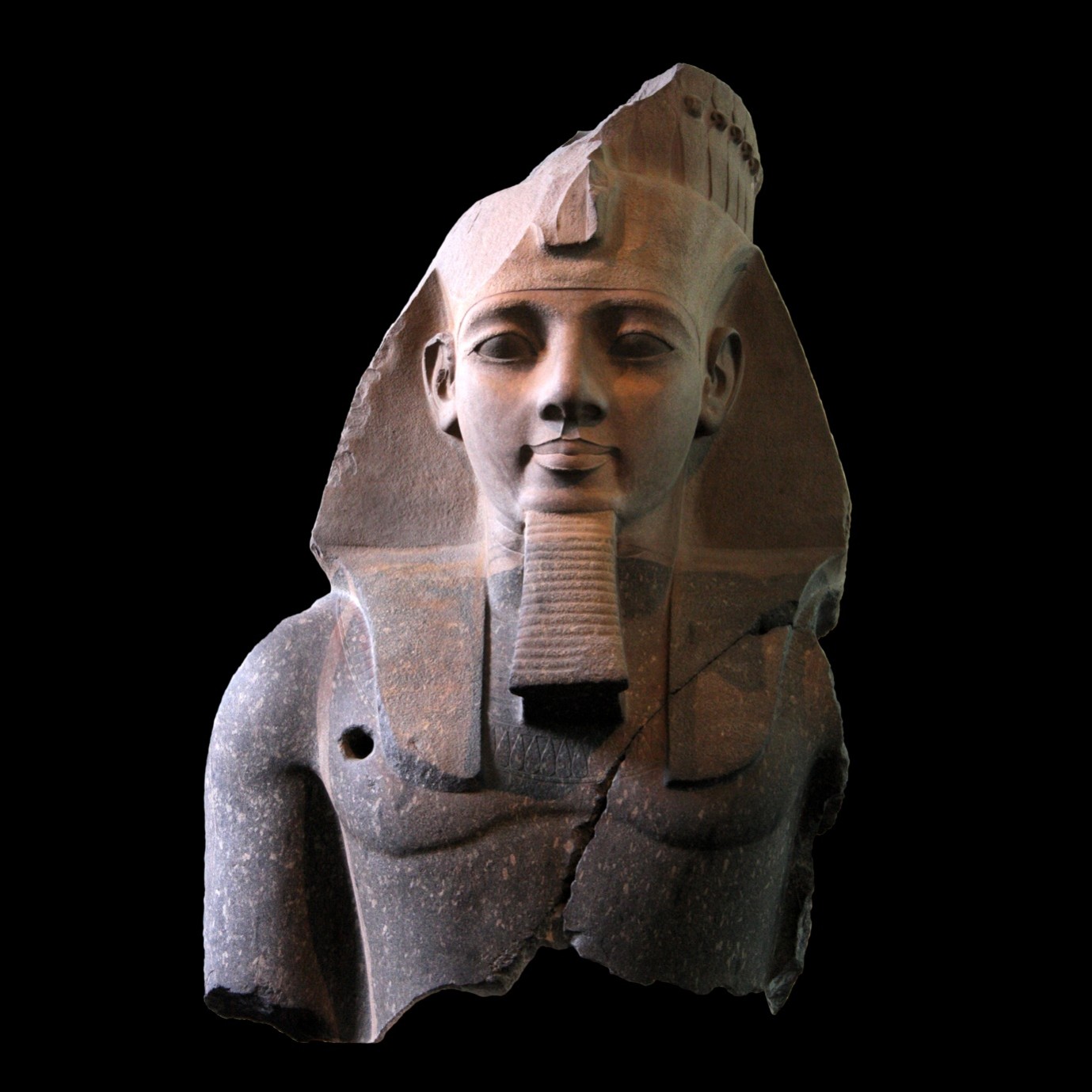
Figure 3: Statue of Ramses, one of the greatest rulers of Nubian descent
So, while not every ancient Egyptian fits into a modern racial category, ancient Egypt was an African civilization whose history, culture, and people were inseparably connected to the wider African Nile Valley—including Nubia and Kush.
A Journey Through African History
For African Americans, this history can make a journey to Egypt particularly meaningful.
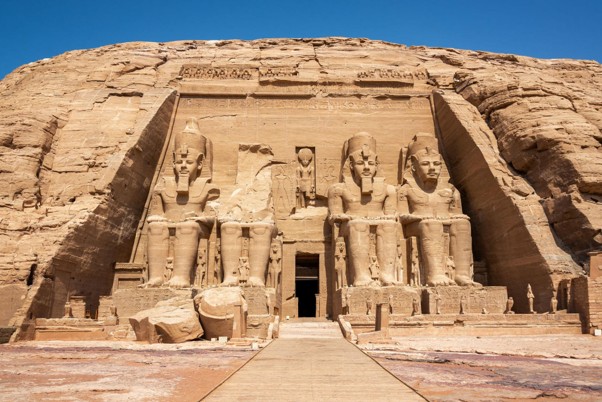
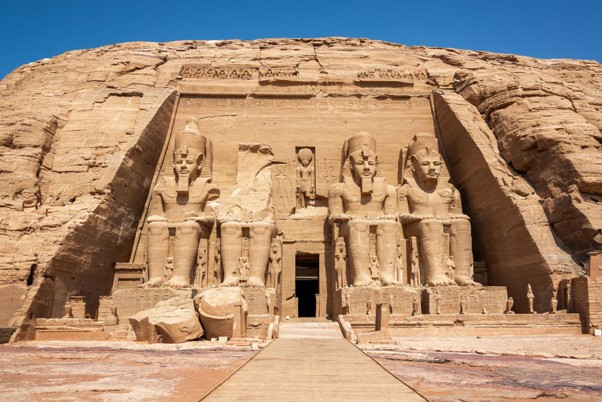
Standing before the temples of Abu Simbel, for example, you are not simply looking at an Egyptian monument. You are standing in ancient Nubia, where Egyptian and Nubian histories intersected. The monumental temples of Abu Simbel and other sites between Aswan and the Sudanese border are part of a UNESCO World Heritage property that preserves this extraordinary cultural landscape.
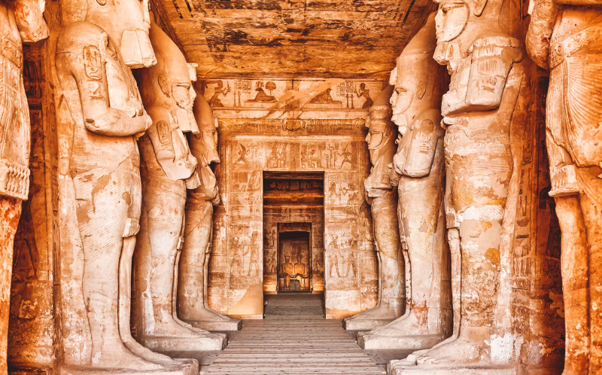
Figure 4: Abu Simbel is one of the many monumental representations of Nubian civilization
The story of these monuments is remarkable. When the construction of the Aswan High Dam threatened to submerge large portions of ancient Nubia, an international UNESCO campaign beginning in 1960 helped rescue and relocate 22 monuments, including Abu Simbel and Philae.
Visiting Egypt is more than just sightseeing. It can be an opportunity to place Egypt within the broader story of Africa—and to appreciate Nubia and Kush as civilizations with their own achievements, political power, and cultural legacy.
For African Americans whose interest in Africa is rooted in genealogy, heritage, or a desire to understand the continent beyond stereotypes, Egypt offers a powerful starting point. Its ancient history is not a single story. It is a layered African story of kingdoms, migrations, exchanges, conflicts, innovations, and enduring connections along the Nile.
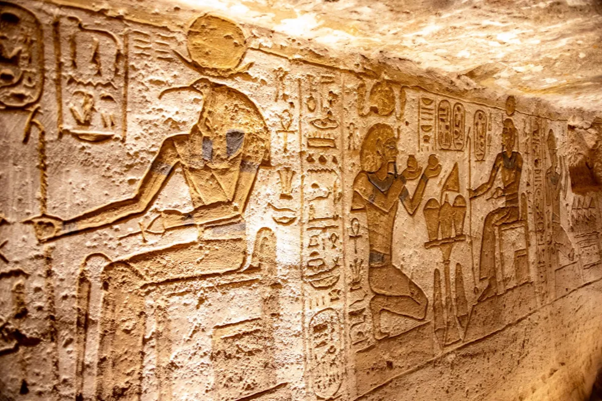
Figure 5: Egypt presents African Americans with a great opportunity to explore Egypt’s Black Roots
Join Our Nubian Adventure in 2027
African Connections invites you to experience this history for yourself.
Go inside the pyramids and temples, cruise down the Nile River, explore the Nile Valley, experience Nubian culture, and witness southern Egypt's Nubian heritage.
If discovering Africa's history and culture and making ancestral connections is on your travel list, join our Egypt tour in 2027!