Traditions That Endure: Why Ghana's Festivals Belong on Your Travel List
For many African Americans, Ghana has become a destination of profound connection—a place where history, identity, and heritage intersect, and vibrant cultural traditions thrive.
Across the country, annual festivals bring communities together in celebrations of resilience, gratitude, and identity, inviting visitors not just to observe, but to participate in the living story of a people.
For those seeking a deeper, more immersive connection to their ancestral homeland, experiencing one of Ghana's traditional festivals is an unforgettable way to discover the heart and soul of the nation.
Among the many celebrations held throughout the year, two festivals stand out for visitors seeking both history and cultural immersion: the Edina Bakatue Festival in Elmina and the Homowo Festival celebrated by the Ga people of Greater Accra.
Edina Bakatue Festival: Where History Meets Celebration
Imagine standing on the shores of Elmina, the historic town where the first Europeans arrived on the West African coast, home to the infamous Elmina Slave Dungeon, a powerful reminder of one of history's darkest chapters.
Now picture beautifully decorated canoes gliding across the Benya Lagoon. Chiefs, dressed in magnificent traditional regalia, lead the celebrations as the entire community comes together to mark a season of renewal.
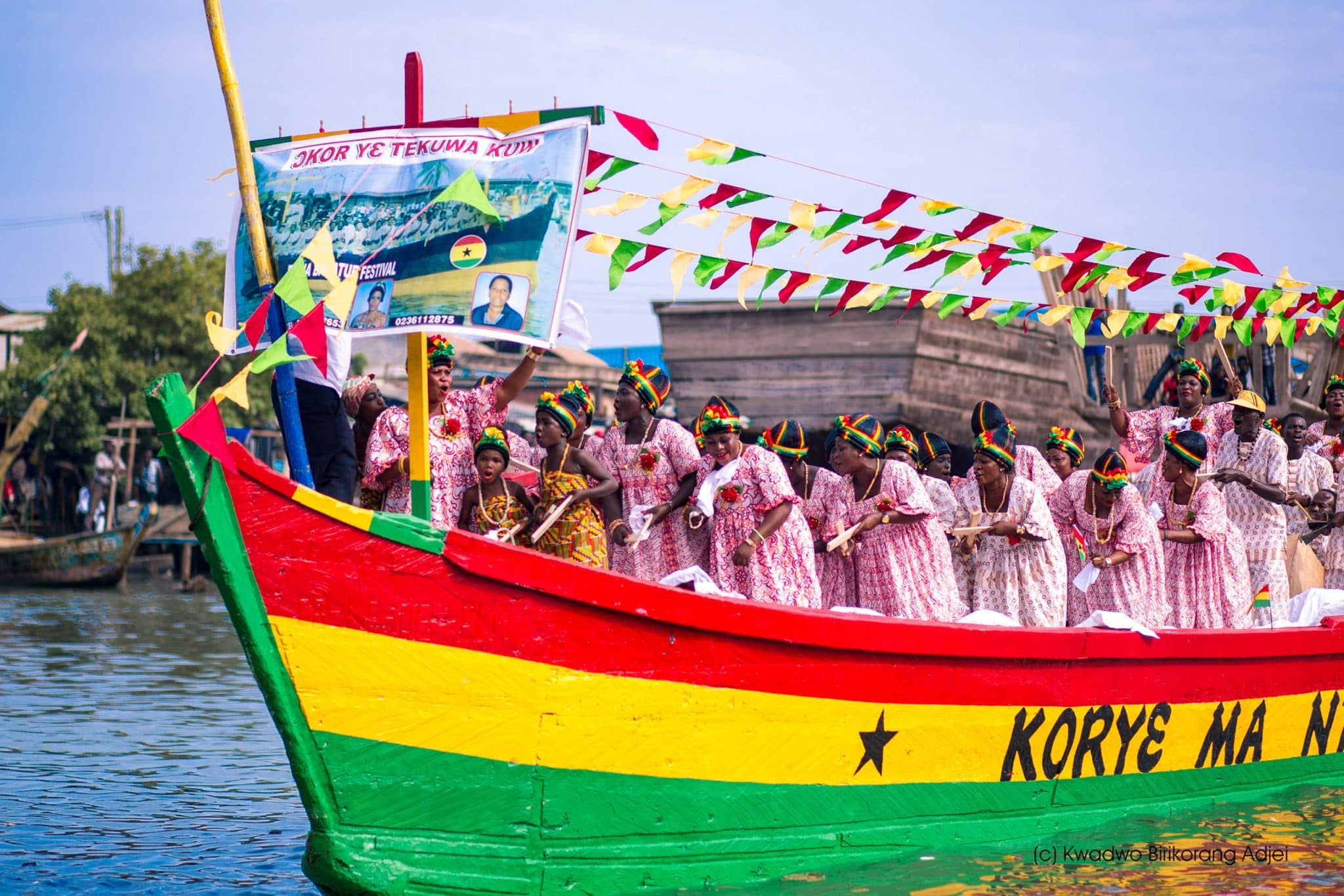
Figure 1: Canoe regatta on the Benya Lagoon adds color to Bakatue celebrations each year
Celebrated annually in Elmina, usually on the first Tuesday of July, Bakatue literally means "the opening of the lagoon." The festival marks the ceremonial opening of the fishing season after a period during which fishing is prohibited, allowing the lagoon to replenish. The event also serves as a time to pray for abundant harvests, peaceful communities, and prosperity for the coming year.
For visitors, Bakatue is a feast for the senses.
The highlight is the spectacular canoe regatta on the Benya Lagoon, where colorful fishing canoes race across the water amid singing, dancing, and traditional music.
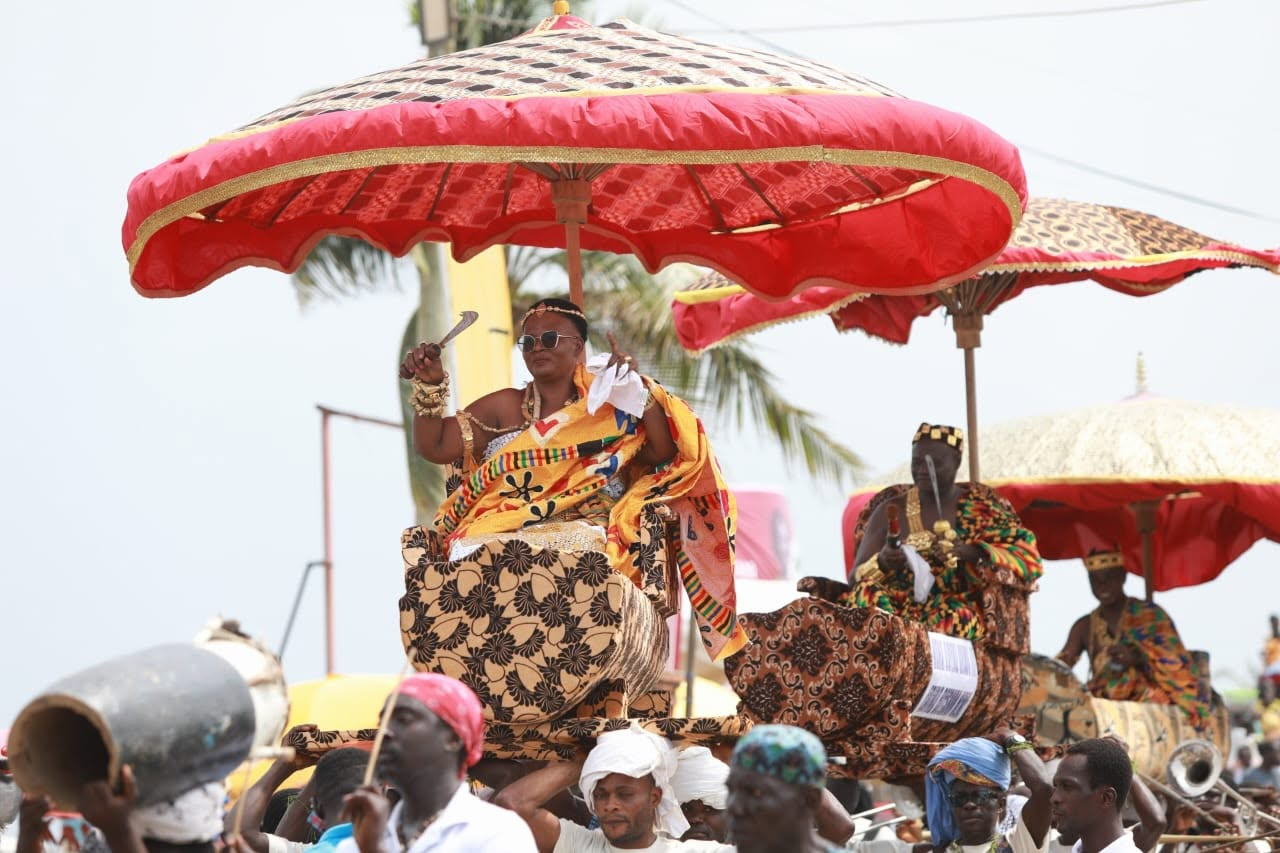
Another highlight of the Bakatue festival is the Durbar of Chiefs that takes place on the Saturday after the opening of the lagoon. Chiefs and queen mothers dressed in elaborate kente cloth adorned with gold ornaments, are carried in palanquins through the streets of Elmina, while cheering crowds line the parade route to see the spectacle.
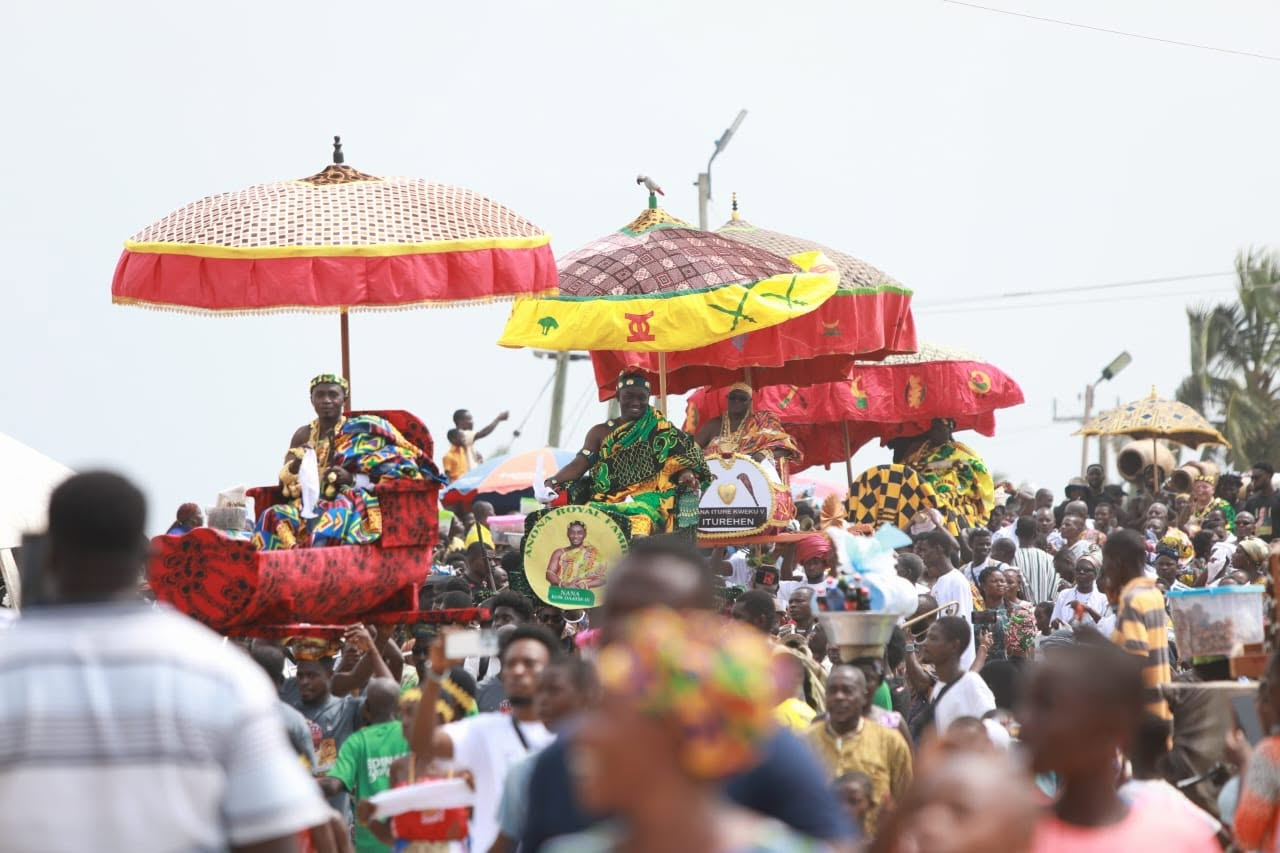
Figure 2: Chiefs ride in a palanquins as festival attendees cheer them on
While visiting the Elmina Slave Dungeons is a must, attending Bakatue offers you the opportunity to experience culture and traditions that have endured for centuries, that will resonate and inspire.
Homowo: A Celebration of Resilience
If Bakatue celebrates renewal, Homowo celebrates triumph.
Observed annually between August and September by the Ga people of Greater Accra, Homowo means "hooting at hunger." The festival commemorates a period in Ga history when famine threatened the community before a successful harvest brought relief and hope. Today, Homowo transforms that painful memory into a joyful celebration of resilience, gratitude, and abundance.
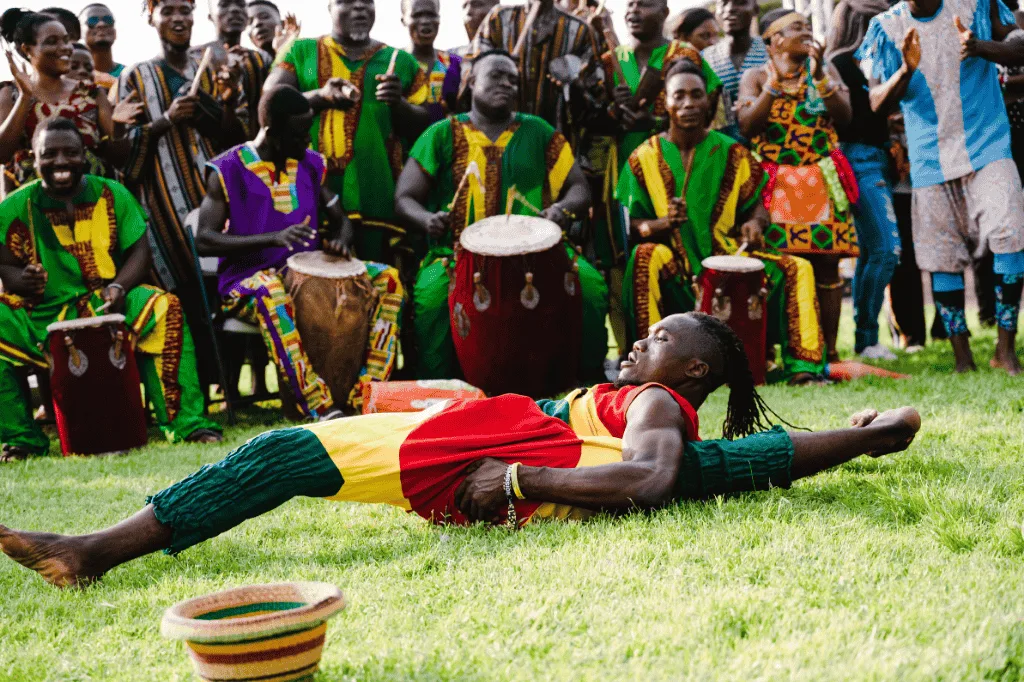
Figure 3: Cultural dance displays transform Homowo into a joyful celebration of resilience, gratitude, and abundance
Before the celebrations, traditional authorities observe a period of silence marked by a ban on drumming and noisemaking, allowing communities time for reflection and preparation.
When the ban is lifted, neighborhoods across Accra burst into life with processions, traditional drumming, dancing, and colorful ceremonies.
One of the festival's most cherished traditions is sharing kpokpoi, a ceremonial cornmeal prepared specifically for Homowo. Chiefs and families sprinkle portions of the food as an offering to ancestors before sharing meals with relatives, neighbors, and visitors—a powerful expression of gratitude and community.
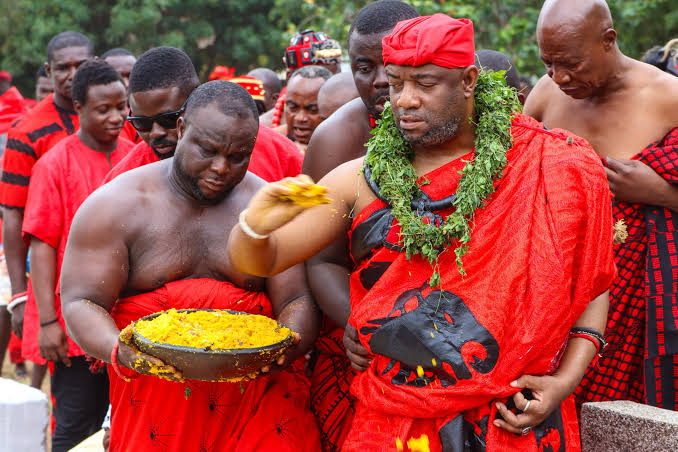
Figure 4: A significant feature of Homowo is the sprinkling of kpokpoi
The Homowo message resonates deeply.
Its story is one of people who endured hardship without losing hope, who turned suffering into celebration, and who chose remembrance over forgetting. That spirit of resilience echoes across the African diaspora, making Homowo far more than a cultural event—it becomes a shared human story.
Becoming Part of the Experience
One of the most remarkable aspects of Ghanaian festivals is that they aren't staged performances created for tourists.
These celebrations are authentic expressions of community life. Visitors are welcome to observe respectfully, learn from local hosts, enjoy traditional music, sample local cuisine, and appreciate customs passed down through generations. Respecting local traditions—such as observing ceremonial protocols and dressing appropriately during sacred moments—helps create a meaningful experience for everyone.
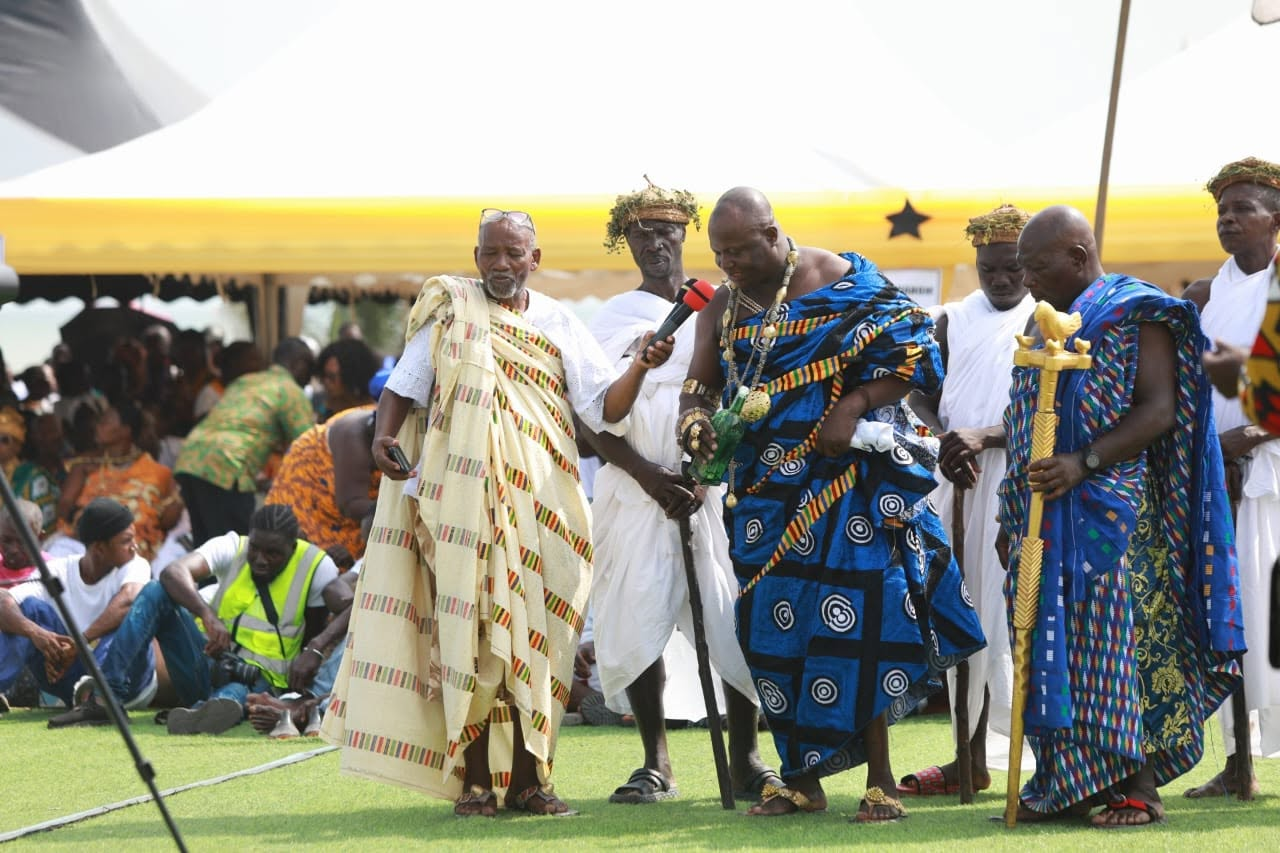
Figure 5: Festivals are expression of long-held traditions that bring communities together and honor ancestors
Rather than simply checking off historic sites on a travel itinerary, attending a traditional festival allows you to experience Ghana as Ghanaians do. You'll hear stories that aren't written in textbooks. You'll witness customs that predate colonial history. You'll meet families eager to share their heritage with visitors from across the diaspora.
For many African Americans, traveling to Ghana begins with questions about ancestry and history. The answer is found in every drumbeat, every dance, every prayer, every canoe crossing the Benya Lagoon, every shared meal of kpokpoi, and every child learning tradition from elders.
Ghana's festivals remind us that history should never be forgotten and that culture continues to thrive.
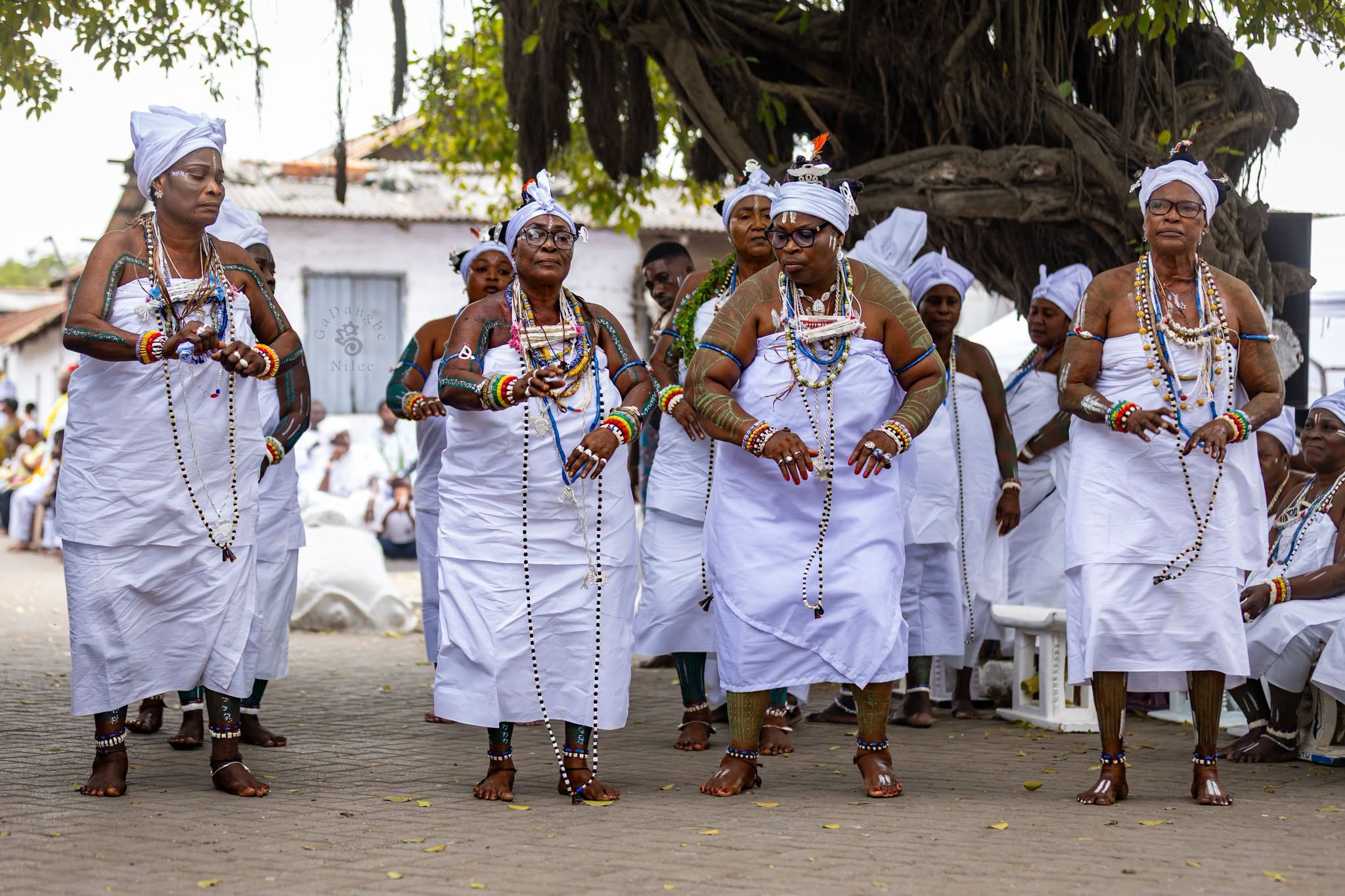
Figure 6: Every dance step during festivals is reminder that Ghana's culture continues to grow and evolve
Let African Connections Take You to the Heart of Ghana’s Cultural Expressions
There has never been a better time to experience Ghana. Go beyond its landmarks and into the heart of its living traditions. Whether you're watching the colorful parade of chiefs and queen mothers at the Edina Bakatue Festival or celebrating the resilience and community spirit of Homowo, these unforgettable moments offer a deeper connection to the Motherland and its enduring heritage.
Let African Connections be your trusted guide on this transformative journey. With thoughtfully curated heritage and cultural experiences, African Connections helps you discover Ghana not just as a destination, but as a place to reconnect, celebrate, and come home.
Book your journey today!