Brazil Country Profile
Brazil is bordered by the Atlantic Ocean to the east, sharing land borders with every South American country except Chile and Ecuador. To the north lie Venezuela, Guyana, Suriname, and French Guiana; to the northwest is Colombia; to the west are Bolivia and Peru; and to the south are Argentina, Paraguay, and Uruguay. Its vast landscape is dominated by the Amazon River and the world's largest tropical rainforest.
The capital of Brazil is Brasília, a planned city located in the central highlands. Other major hubs include the coastal giants of São Paulo and Rio de Janeiro. Brazil is home to over 215 million people, featuring a diverse demographic mix of European, African, and Indigenous descent. While the country is secular, it has the world's largest Roman Catholic population, alongside a growing Protestant community.
Originally inhabited by diverse Indigenous tribes, Brazil was claimed by Portugal in 1500 and remained a colony for over three centuries. It gained independence in 1822, initially as an Empire before becoming a republic in 1889. Today, it stands as the largest economy in Latin America and a significant global influence in culture and agriculture.
Geography
Brazil, officially the Federative Republic of Brazil, is the largest country in South America and the only one in the Americas where Portuguese is the official language. It occupies nearly half of the South American landmass, stretching from the Amazon Basin in the north to the temperate vineyards and plains of the south. Brazil shares borders with ten countries: French Guiana, Suriname, Guyana, and Venezuela to the north; Colombia to the northwest; Peru and Bolivia to the west; and Paraguay, Argentina, and Uruguay to the south. Only Chile and Ecuador do not share a border with Brazil.
Covering approximately 8.5 million square kilometers (3.2 million sq mi), Brazil is the fifth-largest country in the world by area. As of July 2025, its population is estimated at 213.4 million people, making it the seventh-most populous nation globally. It is a world-renowned "melting pot" of ethnic diversity, shaped by Indigenous peoples, Portuguese colonizers, and millions of enslaved Africans, followed by waves of European, Middle Eastern, and Japanese immigrants. While highly integrated, the country is home to nearly 1.7 million Indigenous people from 391 distinct ethnic groups speaking 295 different languages.
Brazil is a federative presidential republic composed of 26 states and the Federal District, which houses the capital, Brasília. The country's history is unique in the region; it was claimed by Portugal in 1500 and later became the seat of the Portuguese Empire in 1808—the only instance of a European monarch ruling from a colony. It gained independence as the Empire of Brazil in 1822 before transitioning to a republic in 1889.
Today, Brazil is a leading global power in agriculture, mining, and renewable energy. It plays a central role in regional and international diplomacy, often serving as a bridge between developing and developed nations. The country continues to balance its immense natural wealth, including the Amazon Rainforest, with the challenges of urban growth in major hubs like São Paulo and Rio de Janeiro.
Economy
The economy of Brazil is one of the largest and most diversified in the world, with key sectors including agriculture, industry, services, mining, and energy. Agriculture plays a major role, making Brazil a global leader in the production and export of commodities such as soybeans, beef, poultry, sugar, and coffee. In particular, Brazil is the world’s largest producer of coffee, continuing a long-standing agricultural tradition. Other important crops include corn, oranges, and cotton, along with a growing agribusiness sector that integrates farming with processing and exports.
Brazil is also rich in natural resources, with significant reserves of iron ore, bauxite, gold, and oil. The mining sector is a major contributor to export earnings, led by companies like Vale S.A. In the energy sector, Brazil is a global leader in renewable energy, especially hydroelectric power and biofuels such as ethanol derived from sugarcane. Major projects like the Itaipu Dam highlight the country’s capacity for large-scale energy production. Offshore oil exploration in the “pre-salt” reserves has also significantly boosted Brazil’s energy output.
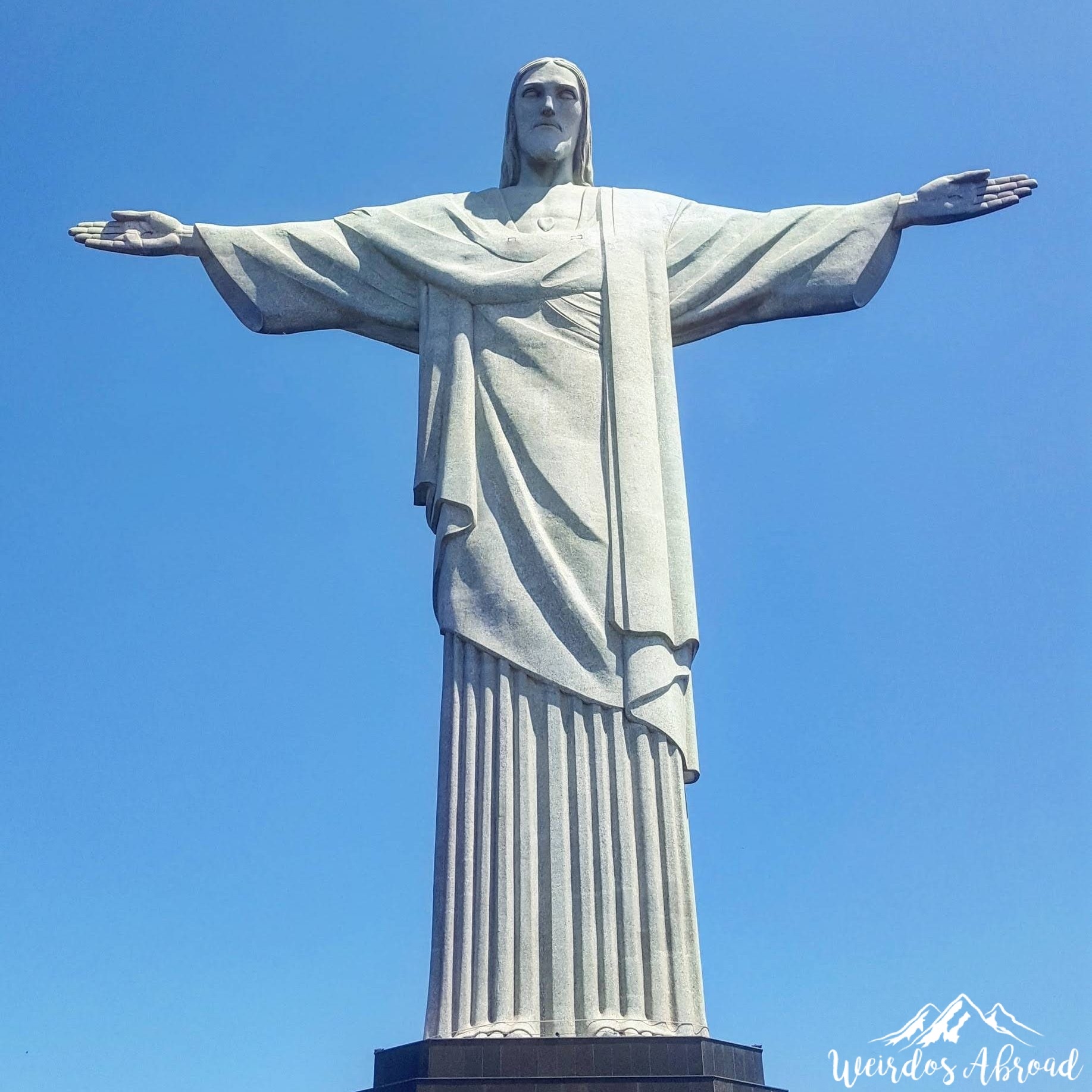
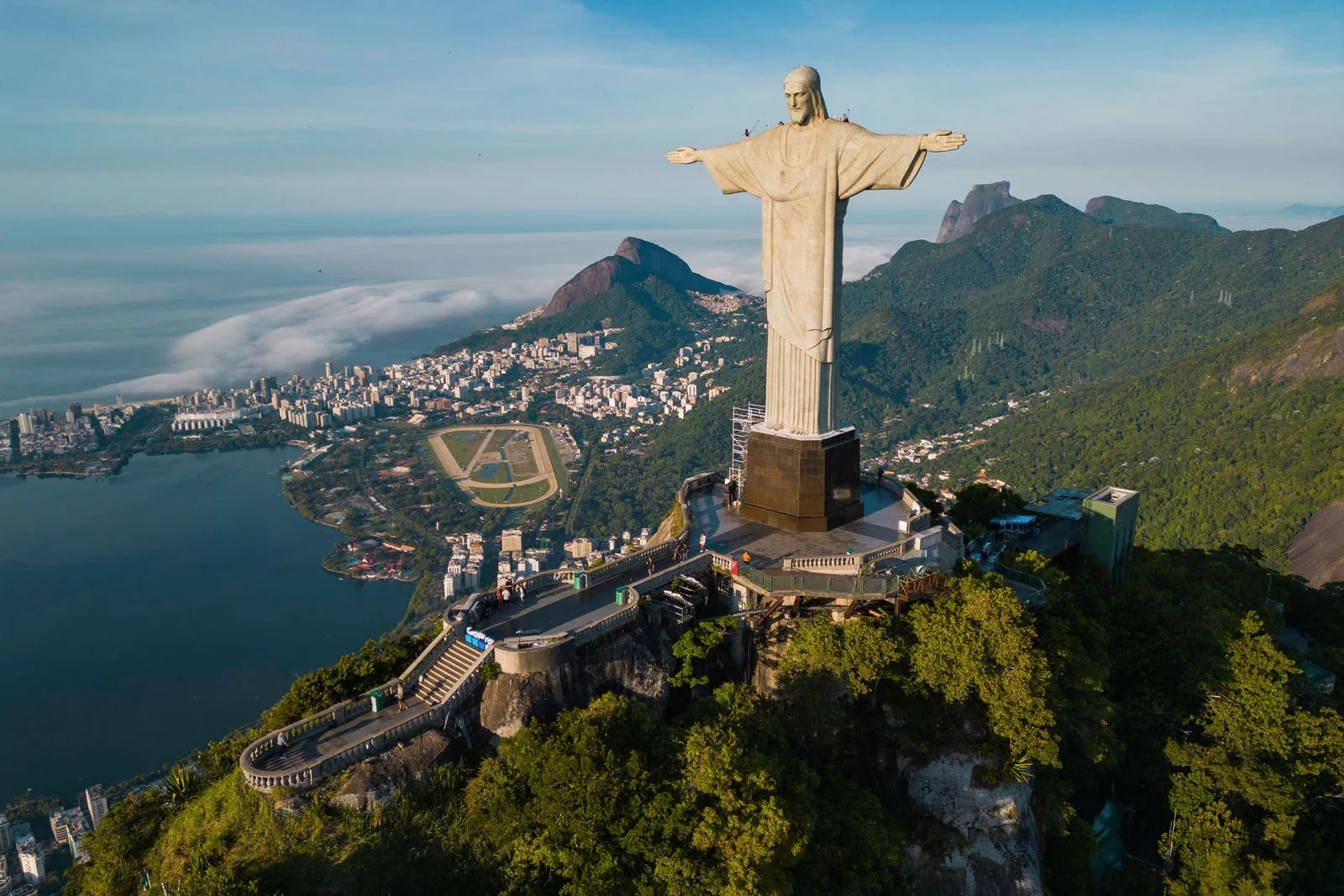
Tourism is an important and expanding sector, with Brazil known worldwide for its natural beauty and cultural attractions. Destinations such as the Amazon Rainforest, Christ the Redeemer, Iguaçu Falls, and the beaches of Rio de Janeiro draw millions of visitors each year. Brazil is also famous for its vibrant festivals, especially Rio Carnival, which showcases its rich cultural diversity.
The country has made significant investments in infrastructure, including transportation networks, ports, and energy systems, to support economic growth. São Paulo serves as the financial and industrial hub of the country, while Brasília functions as the political center. In recent years, Brazil has focused on strengthening its manufacturing sector, including automobiles, aircraft, and consumer goods, with companies like Embraer playing a key global role in aviation.
Brazil’s long-term economic vision includes sustainable development, expanding renewable energy, increasing industrial competitiveness, and deepening trade relationships within Latin America and beyond. Despite challenges such as income inequality and economic fluctuations, Brazil remains a major emerging economy with strong potential for continued growth and innovation.
Currency
The official currency of Brazil is the Brazilian Real, with the currency code BRL. It is commonly represented by the symbol “R$.” The Brazilian Real operates under a floating exchange rate, meaning its value fluctuates against foreign currencies such as the U.S. dollar depending on market conditions and economic factors.
When traveling to Brazil, you can exchange foreign currency—especially U.S. dollars or euros—for Brazilian Reais at banks, authorized exchange bureaus (known locally as casas de câmbio), and international airports. Credit and debit cards are widely accepted in major cities like São Paulo and Rio de Janeiro, but it is still advisable to carry some cash for small purchases, transportation, or when visiting rural areas where card facilities may be limited.
Regarding bringing cash into the country, travelers entering Brazil are required to declare amounts exceeding 10,000 Brazilian Reais (or the equivalent in foreign currency) to customs authorities. Amounts below this limit do not need to be declared. It is important to keep any declaration documents, as they may be requested when leaving the country. Additionally, while foreign currencies are useful for exchange, everyday transactions in Brazil are typically conducted in Brazilian Reais.
Language
The official and dominant language of Brazil is Portuguese, which serves as the primary medium for the country’s administration, education, legal system, and media. Brazilian Portuguese is a distinct variant of the language spoken in Portugal, characterized by its own unique pronunciation, vocabulary, and grammar. It acts as a powerful unifying force across Brazil’s vast and diverse regions, being the first language for approximately 98% of the population.
Brazil is a linguistically rich nation, home to approximately 295 indigenous languages spoken by 391 different ethnic groups. While Portuguese is the only national official language, several municipalities have co-officialized indigenous tongues, such as Nheengatu and Guarani, to preserve local heritage. In addition to indigenous languages, Brazil's history of immigration has preserved significant pockets of other languages, particularly in the south. German and Italian (often in the form of the Talian dialect) are widely spoken in certain rural communities, where they sometimes hold co-official status at the local level.
In major urban centers and financial hubs like São Paulo, Rio de Janeiro, and Brasília, English is the most common foreign language taught in schools and is increasingly used in the business, technology, and tourism sectors. However, high proficiency in English remains relatively low among the general population. Spanish is also frequently understood, particularly in regions bordering Spanish-speaking neighbors like Argentina and Uruguay, sometimes blending into a hybrid known as Portuñol.
For visitors, while English may be understood in high-end hotels and major tourist landmarks, most daily interactions—from ordering at a padaria (bakery) to using public transport—will require some Portuguese. Brazilians are generally warm and appreciative of any effort to speak their language. Learning a few essential phrases can significantly enrich your experience: (Oi (Hi) or Olá (Hello), Tudo bem? (How are you? / Is everything good?), Obrigado (Thank you—said by men) or Obrigada (Thank you—said by women), Por favor (Please) or the local language of the region you are visiting can greatly enhance your interactions and is warmly appreciated by locals.
Government
The Constitution of Brazil was adopted in 1988, marking the country’s return to democracy after two decades of military rule. It established a federal presidential republic with a government structured around three independent and co-equal branches: the Executive, Legislative, and Judiciary. Brazil’s political system is defined by principles of federalism, a strict separation of powers, and a comprehensive bill of rights that guarantees individual and social liberties.
The country is an indissoluble union of 26 states and one Federal District (Brasília), as well as over 5,500 municipalities, all of which possess their own administrative autonomy. Brazil’s National Congress is bicameral, consisting of the Chamber of Deputies, which represents the people through proportional representation, and the Federal Senate, which represents the states and the Federal District equally with three senators each. The President serves as both the head of state and the head of government, exercising supreme executive power. Presidential and legislative elections are held every four years.
Current President: His Excellency Luiz Inácio Lula da Silva
History
Before European colonization, Brazil was home to a vast array of Indigenous civilizations, primarily from the Tupi, Guarani, and Ge linguistic groups. These societies thrived across diverse biomes, from the Amazon basin to the Atlantic coast, maintaining sophisticated agricultural systems, complex social structures, and extensive trade networks. Unlike the centralized empires of the Andes, Brazilian indigenous groups were largely semi-nomadic or lived in large, autonomous villages. The arrival of the Portuguese in 1500, led by Pedro Álvares Cabral, initiated a period of extraction—first of brazilwood and later through the establishment of massive sugar cane plantations.
Unlike many of its neighbors, Brazil’s path to sovereignty was unique: it became the seat of a European empire when the Portuguese Royal Family fled Napoleon in 1808 and settled in Rio de Janeiro. In 1822, Brazil declared independence not as a republic, but as the Empire of Brazil. Under Emperors Dom Pedro I and Dom Pedro II, the country maintained a monarchical system for 67 years, a period marked by territorial consolidation but also the profound stain of the transatlantic slave trade. Brazil was the last country in the Americas to abolish slavery, doing so in 1888 via the "Golden Law," which triggered the collapse of the monarchy and the birth of the First Republic in 1889.
The 20th century brought waves of political transformation and industrialization. Following a period of oligarchic rule known as "Coffee with Milk" politics, Getúlio Vargas seized power in 1930, introducing populist reforms and state-led industrialization. After a brief democratic interlude, the country fell under a military dictatorship (1964–1985). This era was characterized by a "miracle" of rapid economic growth alongside severe political repression, censorship, and the suppression of civil liberties. Pro-democracy movements, notably the Diretas Já campaign, eventually forced a transition back to civilian rule, culminating in the Constitution of 1988.
In the modern era, Brazil has emerged as a global geopolitical and economic powerhouse. The 21st century saw the rise of the Workers' Party (PT) under Luiz Inácio Lula da Silva, whose social programs lifted millions out of poverty, followed by a period of intense political polarization, the impeachment of Dilma Rousseff, and the right-wing presidency of Jair Bolsonaro. Today, under the renewed leadership of President Lula, Brazil focuses on balancing its role as a leading agricultural exporter with the urgent need for environmental preservation of the Amazon. As a founding member of BRICS and the largest economy in Latin America, Brazil remains a central pillar of Southern Hemisphere diplomacy and global environmental policy
Climate
Brazil’s climate is remarkably diverse due to its vast territorial extent and varied topography. Much of the country, particularly the Amazon Basin in the north, experiences an equatorial climate characterized by high temperatures, high humidity, and significant rainfall year-round. In contrast, the central highlands and the interior—including the capital, Brasília—enjoy a tropical savanna climate with distinct wet and dry seasons. The southern regions, including cities like Curitiba and Porto Alegre, feature a subtropical climate, where temperatures are much cooler and distinct four seasons occur.
The warmest period in most of Brazil occurs during the southern hemisphere summer, between December and March, which is also the peak rainy season for the central and southeastern regions. During this time, temperatures in cities like Rio de Janeiro and Cuiabá frequently exceed 90°F (32°C). Conversely, the northeast coast maintains warm, tropical temperatures throughout the year, typically hovering between 77°F and 86°F (25°C–30°C), cooled by consistent Atlantic trade winds.
Brazil’s dry season in the central and northern interior typically runs from May to September, characterized by clear skies, very low humidity, and pleasant daytime temperatures. In the Southern Region, this period coincides with winter, where temperatures can drop significantly; in the highlands of Santa Catarina, temperatures occasionally fall below 32°F (0°C), bringing frost and rare snowfall. In São Paulo, winter daytime temperatures average around 70°F (21°C), while nights can feel crisp at 55°F (13°C).