Ghana Grants Citizenship to More than 150 Members of the African Diaspora
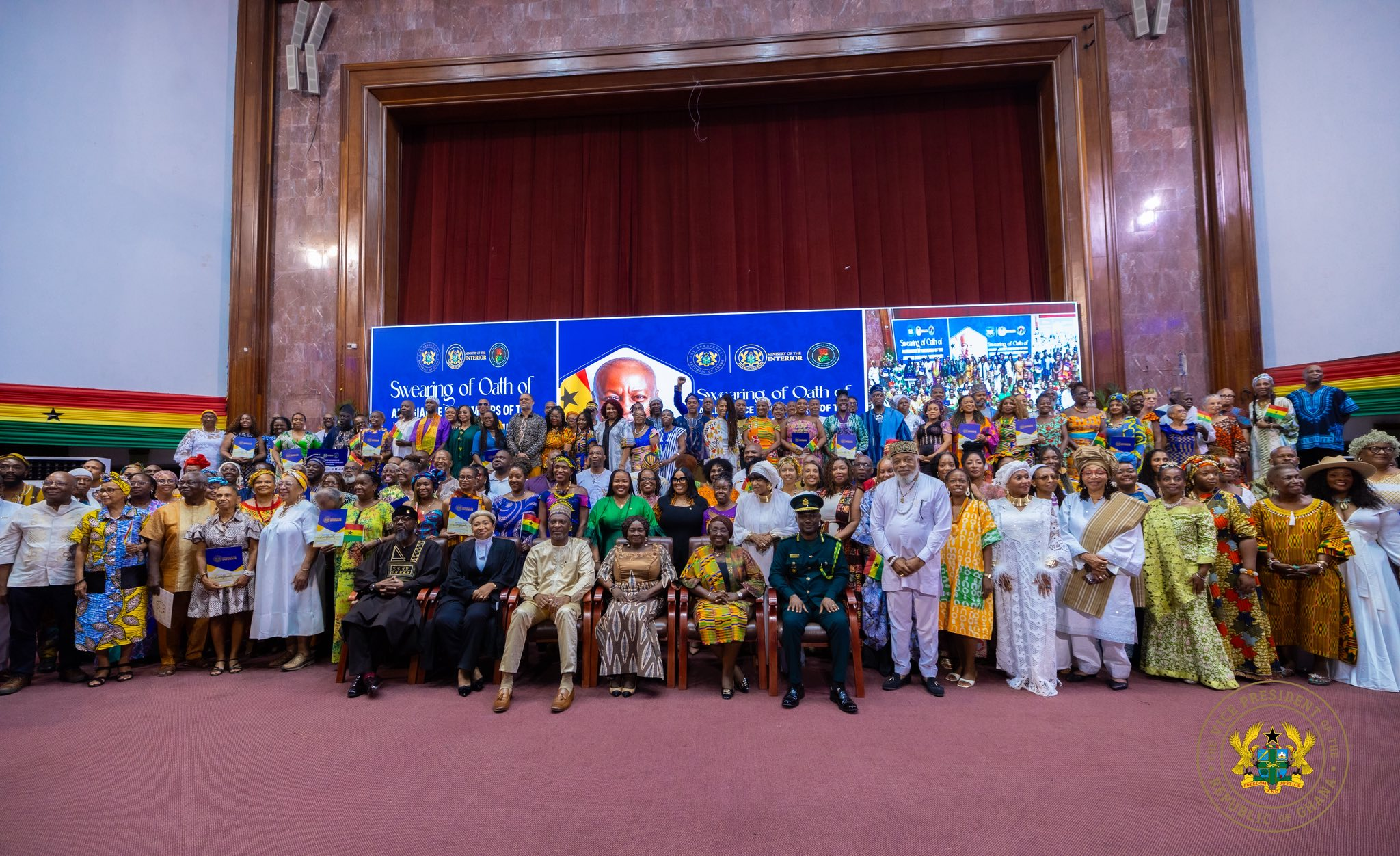
More than 150 members of the African Diaspora took a powerful step toward reclaiming their ancestral roots on Monday, March 9, 2026 as they were officially granted Ghanaian citizenship during a moving ceremony at the Accra International Conference Centre.
For many in the room, the moment represented far more than paperwork—it symbolized a long-awaited homecoming to the land of their ancestors.
The ceremony brought together government officials, diplomats, and diaspora representatives as the new citizens took the oath of allegiance to the Republic of Ghana, formally joining the nation as part of its growing global family.
Speaking at the event, Kofi Okyere Darko emphasized that the occasion carried deep historical meaning for people of African descent around the world.
“Citizenship is more than a legal designation. It is an embrace,” he said. “Today, history comes full circle. Ghana is not welcoming strangers; Ghana is receiving family.”
Darko explained that the ceremony builds on Ghana’s long-running efforts to reconnect with descendants of Africans who were scattered across the globe through the transatlantic slave trade. Since 2016, the government has taken deliberate steps to strengthen ties with the diaspora—turning historical connections into meaningful partnerships for the future.
He noted that the African Diaspora plays a vital role in Africa’s development through skills, innovation, entrepreneurship, and investment.
“The future of this continent cannot be the same and will not succeed without the diaspora,” he said, adding that the new citizens are now partners in shaping Ghana’s communities, ideas, and aspirations.
Ghana’s Minister for the Interior, Muntaka Mubarak Mohammed, said the naturalization process followed a careful review of each applicant before approval. He described the ceremony as part of Ghana’s broader mission to reconnect Africa with descendants of those displaced during the centuries-long slave trade.
“Today’s ceremony reflects the growing international recognition of the historical injustice associated with slavery and the importance of meaningful engagement with the African diaspora,” he said.
The oath of allegiance was administered by Circuit Court judge Annette Sophia Essel, who reminded the new citizens that becoming Ghanaian represents both a privilege and a commitment to uphold the nation’s constitution and values.
Addressing the gathering on behalf of the President, Vice President Jane Naana Opoku-Agyemang reflected on the emotional significance of the moment for Africans across the world.
“Distance may separate our people, but it does not erase identity,” she said. “Ghana continues to be a home for the global African family, and your presence here marks a moment of renewal and reconnection.”
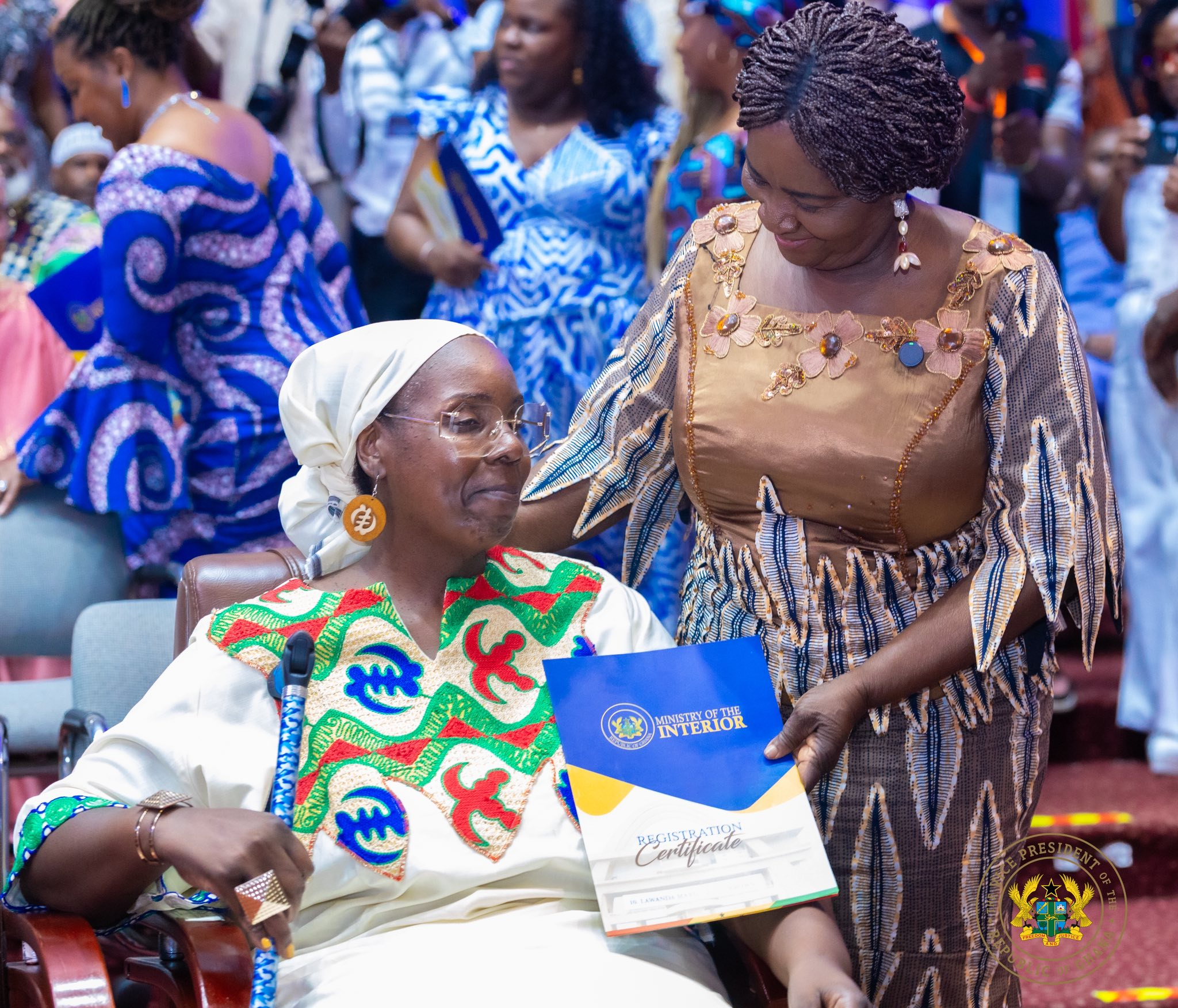
Figure 1: Vice President, Jane Naana Opoku-Agyemang hands over a registration certificate of citizenship to one of the new citizens
She also highlighted Ghana’s historic relationship with the African Diaspora, pointing to the Pan-African vision of Ghana’s founding leader, Kwame Nkrumah, who believed the country should serve as a gateway for unity, dignity, and opportunity for people of African descent worldwide.
The Vice President added that the government is strengthening policies to encourage diaspora investment, entrepreneurship, education, and cultural exchange—creating pathways for Africans everywhere to contribute to the nation’s future.
“Our goal is to build a Ghana where Africans everywhere can contribute meaningfully to our shared prosperity,” she said.
For the more than 150 new citizens, the ceremony marked the beginning of a new chapter—one rooted in heritage, identity, and belonging. As they left the hall with Ghanaian passports within reach, many carried a shared message that echoes across the African Diaspora: the door to the Motherland remains open.